

Is Your Container Ready?
Get In Contact With Us Today
Is Your Container Ready?
Get In Contact With Us Today
2026 Best Dismantling Joint Types for Global Buyers?
Choosing the right Dismantling Joint in 2026 requires more than comparing prices or flange dimensions. Global buyers face changing pipe materials, pressure classes, installation conditions, and approval requirements. A joint may look suitable on paper, yet fail to provide enough adjustment during valve replacement. That assumption can fail. This guide examines flanged, restrained, telescopic, and specialty dismantling joint types through practical procurement questions. It considers where each design fits, what technicians inspect, and which details deserve written confirmation.
Experienced installers usually check bolt access, axial movement, gasket seating, corrosion protection, and actual pipe alignment before selecting equipment. A few millimeters matter. For example, a water treatment line with a large butterfly valve may need controlled length adjustment and reliable restraint. A buried pipeline may demand stronger protection and clearer installation tolerances. Buyers should also review pressure ratings, coating systems, material certificates, test records, and traceable quality documents. These records do not replace site judgment, but they make supplier claims easier to verify. Reputable manufacturers should explain design limits instead of promising universal performance.
This 2026 overview is intended for distributors, contractors, engineers, and infrastructure owners comparing international options. It highlights selection criteria, common advantages, possible weaknesses, and questions to ask before ordering. Standards and project specifications can differ by region, so local engineering review remains essential. Even careful guidance has limits. Real conditions may expose gaps in a catalogue description. By combining field experience, technical evidence, and cautious comparison, global buyers can choose a Dismantling Joint with greater confidence and fewer costly surprises.
Dismantling Joints: Definition, Purpose, and Core Components
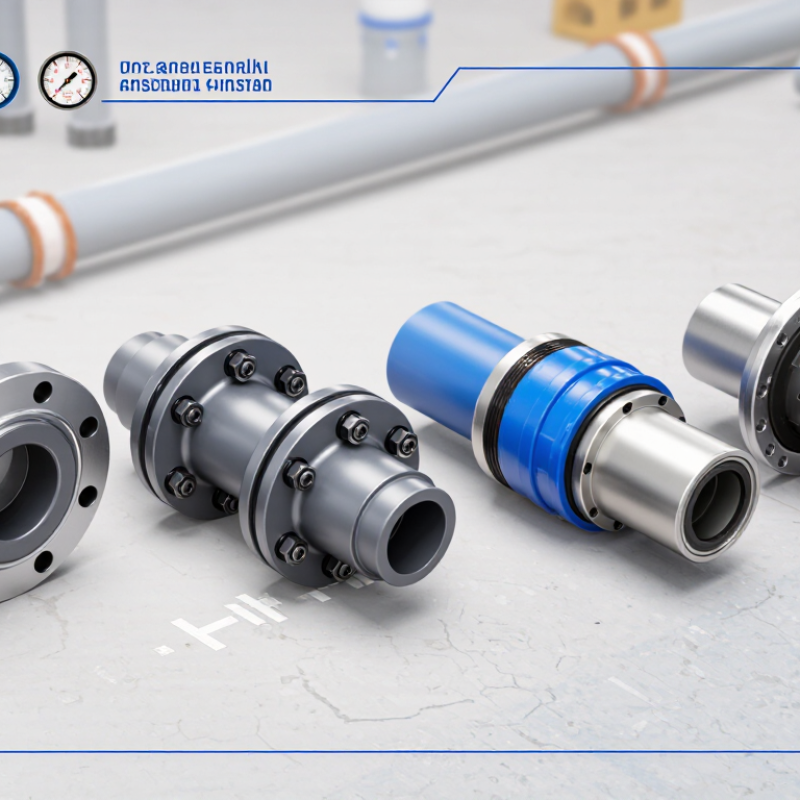
Dismantling joints are adjustable mechanical fittings used to connect flanged pipes, valves, pumps, and other equipment. They allow installers to control pipe length during assembly and maintenance. When a valve needs replacement, technicians can shorten or extend the joint and remove the component without cutting the pipeline. That practical clearance can save hours in a crowded valve chamber.
A typical dismantling joint includes two flanged ends, a central sleeve, sealing gaskets, bolts, nuts, and tie rods. The flanges create the connection points. The sleeve provides controlled axial adjustment. Gaskets help prevent leakage between mating surfaces. Tie rods transfer pressure-related forces and help maintain assembly stability. Every component needs a suitable pressure rating, material grade, and corrosion resistance.
Field experience shows that alignment matters as much as the fitting itself. A joint installed under excessive pipe stress may leak or deform later. Clean flange faces, even bolt tightening, and verified dimensions reduce that risk. Buyers should check working pressure, temperature, flange standard, adjustment range, coating, and inspection records. A common mistake is treating every dismantling joint as interchangeable. It is not. Site conditions, water chemistry, and equipment weight can change the correct selection. No design is perfect. A careful review of installation space and maintenance access remains necessary.
Main Dismantling Joint Types and Their Structural Differences
2026 Best Dismantling Joint Types for Global Buyers?
The main dismantling joint types differ in how they manage movement and axial pressure. A standard flanged dismantling joint uses a central telescopic body, two flanges, bolts, and sealing gaskets. It allows length adjustment during valve or pipe installation. However, it does not independently resist pipeline thrust.
A restrained dismantling joint adds tie rods, locking rings, or other axial restraint components. These parts transfer pressure forces through the joint, which suits buried pipelines, valve chambers, and reducer connections. A universal dismantling joint normally provides wider installation adjustment. It can accommodate flange spacing differences and simplify replacement work. That difference matters. A universal design may still require separate thrust control.
The 2024 WHO/UNICEF Joint Monitoring Programme reported that 2.2 billion people lacked safely managed drinking water in 2022. Reliable maintenance access therefore affects more than construction speed. A World Bank review has estimated that non-revenue water can reach 25% to 50% in some developing-country systems.
Buyers should match joint structure with pressure rating, pipe material, flange standard, and installation space. For a restrained model, engineers should verify thrust calculations, bolt loads, and corrosion protection. For a non-restrained model, nearby anchors may be essential. Field inspections often reveal a practical weakness: drawings show enough clearance, but actual chamber space is smaller. The calculation is rarely perfect.
How to Match Joint Types With Pipe Materials and Applications
Choosing a dismantling joint starts with the pipe material, not the catalogue picture. For ductile iron and steel pipes, flanged dismantling joints provide reliable adjustment during valve removal. Their steel bodies handle high pressure when bolts and gaskets are correctly selected. Check the flange drilling pattern carefully. Small mismatches create expensive delays.
PVC and HDPE pipes need more caution. Their lighter walls can deform under excessive bolt pressure. Use joints with suitable end rings, controlled tightening, and proper sealing surfaces. For HDPE systems, a restrained design may be necessary where thermal movement or thrust affects the pipeline. Unrestrained joints suit applications with separate anchoring. That detail is often missed.
Application conditions decide the final type. Pump stations usually need compact joints for frequent maintenance. Water treatment plants may require corrosion-resistant coatings and hygienic gasket materials. Buried pipelines need attention to soil movement, drainage, and bolt protection. In wastewater service, chemical exposure can change the gasket choice. Field inspection often reveals problems that drawings hide. There is no perfect joint.
A joint may fit the pipe but still fail the application. I would recheck pressure class, axial movement, installation space, and local standards before ordering. Manufacturer data helps, but site measurements remain essential. This step feels slow. It is usually cheaper than reopening a completed trench.
Key Standards, Materials, Pressure Ratings, and Size Options
2026 Best Dismantling Joint Types for Global Buyers?
Key Standards, Materials, Pressure Ratings, and Size Options
Dismantling joints help installers remove valves, pumps, and meters without cutting pipe. Their adjustable centre section also absorbs small installation errors. In practice, this saves time inside crowded valve chambers. However, joint selection should begin with the pipeline standard, not the supplier’s catalogue.
Common references include EN 14525, EN 545, ISO 2531, AWWA C219, and relevant flange standards. Requirements can differ between regions. Check flange drilling, face dimensions, coating systems, and hydrostatic test procedures. Ductile iron suits water networks because it offers strong mechanical performance and corrosion protection. Carbon steel supports higher structural loads, while stainless steel performs better in aggressive environments. EPDM seals fit many water services; NBR may suit oil-related applications, where permitted.
Pressure ratings often include PN10, PN16, PN25, and Class 150 or Class 300. The selected rating must match the pipeline’s working pressure, surge pressure, temperature, and flange class. Do not compare PN16 with Class 150 as if they were identical. They are not always interchangeable. Available sizes commonly range from DN50 to DN2000, but large sizes need careful lifting and alignment planning. Bolt length matters more than expected.
A frequent mistake is choosing by nominal diameter alone. I would also verify movement allowance, tie-rod design, gasket compression, and external coating thickness. Some specifications look complete, yet omit bolt grade or test pressure. That gap deserves a written clarification before purchase.
| Dismantling Joint Type | Typical Connection Arrangement | Common Reference Standards | Typical Body and Hardware Materials | Sealing Material | Typical Pressure Ratings | Common Size Options | Typical Axial Adjustment | Recommended Applications | Important Selection Note |
|---|---|---|---|---|---|---|---|---|---|
| Non-Restrained Flanged Telescopic Joint | Flanged end rings with a telescopic centre sleeve; longitudinal thrust is not transferred through the joint. | EN 14525; flange dimensions commonly to EN 1092-2 or ASME B16.5, depending on the project. | Ductile iron to EN 1563, commonly EN-GJS-400-15 or EN-GJS-500-7; carbon-steel tie components may be zinc-coated or protected by a specified coating system. | EPDM or NBR elastomer to EN 681-1, selected according to water, wastewater, oil, or temperature service. | PN10, PN16, PN25 | Typically DN50 to DN2000; availability varies by manufacturer and pressure class. | Typically about 50 to 100 mm, subject to the product design. | Installation and removal of valves, pumps, flow meters, strainers, and other flanged equipment in water pipelines. | Pipeline anchors or other external thrust-resisting arrangements are normally required because the joint is not longitudinally restrained. |
| Restrained Flanged Telescopic Joint | Telescopic flanged joint fitted with tie rods, locking rings, or an internal restraint system. | EN 14525; EN 1092-2 for compatible ductile-iron flanges; project-specific design checks may be required for restrained systems. | Ductile iron or fabricated carbon steel; restraint bolts and tie rods commonly use carbon steel with corrosion protection or stainless steel such as A2 or A4 grades to ISO 3506. | EPDM for potable and general water service; NBR where hydrocarbon resistance is required and chemically compatible. | PN10, PN16, PN25; PN40 is available in selected designs. | Typically DN50 to DN1600, with larger sizes available as engineered products. | Typically about 50 to 100 mm. | Valve chambers, pumping stations, buried pipelines, and locations where external anchoring is limited. | Verify allowable end-load, pipe outside diameter, bolt grade, and the manufacturer’s restraint calculation for the actual pressure and installation condition. |
| Double-Flanged Dismantling Joint for Valves and Pumps | Adjustable flanged spool installed between two flanged components, usually with a dismantling gap for equipment removal. | EN 14525; EN 1092-2, ISO 7005, or ASME B16.5 flange drilling as specified by the purchaser. | Ductile iron or carbon steel body; fasteners generally carbon steel with corrosion protection or stainless steel where specified. | EPDM, NBR, or other approved elastomer compatible with the conveyed fluid. | PN10, PN16, PN25; ASME Class 150 or Class 300 configurations may be supplied for applicable systems. | Typically DN50 to DN1200 for standard valve and pump arrangements. | Typically about 50 to 150 mm, depending on nominal diameter and design. | Water-treatment plants, booster stations, wastewater facilities, fire-water systems, and process-piping equipment rooms. | Check the face-to-face installation length, flange outside diameter, bolt-hole pattern, gasket type, and equipment removal clearance. |
| Universal Flange Adaptor with Dismantling Function | Flanged adaptor grips plain-end pipe while providing axial adjustment for connecting or removing valves and fittings. | EN 14525 for dismantling-joint applications; product dimensions may also reference EN 1092-2, ISO 2531, or AWWA C219 where applicable. | Ductile iron body and gland; gripping elements generally ductile iron or stainless steel; bolts may be coated carbon steel or stainless steel. | EPDM or NBR gasket, selected for the pipe material and service fluid. | PN10, PN16; PN25 is available in selected ranges. | Typically DN50 to DN1000; some systems cover a range of outside diameters within one nominal size. | Typically about 30 to 75 mm, depending on the coupling design. | Mixed-pipe-material installations, repair work, replacement of flanged fittings, and connections to plain-end steel, ductile-iron, PVC, or other approved pipes. | Confirm the actual pipe outside-diameter range, allowable angular deflection, end-load capability, and compatibility with the pipe wall and coating. |
| High-Pressure Fabricated Steel Dismantling Joint | Welded or fabricated steel telescopic assembly with flanges and a controlled dismantling gap. | EN 1092-1, EN 10224, ASME B16.5, or ASME B16.47 as required by the piping specification; welding and inspection follow the project code. | Carbon steel such as structural or pressure-piping grades specified by the project; stainless steel may be selected for corrosive service. Internal and external coating systems require project approval. | EPDM, NBR, PTFE, or another qualified sealing material, depending on temperature and chemical exposure. | PN16, PN25, PN40; ASME Class 150 and Class 300 are common configurations. | Typically DN300 to DN3000; larger diameters are generally engineered to order. | Typically about 50 to 150 mm; engineered designs may provide greater adjustment. | Large-diameter transmission mains, industrial water systems, cooling-water lines, and high-load pumping stations. | Review weld procedures, non-destructive testing, corrosion allowance, coating system, flange rating, and structural loads before purchase. |
| Corrosion-Resistant Stainless-Steel Dismantling Joint | Telescopic flanged joint manufactured with stainless-steel wetted or structural components. | EN 14525 with flange drilling to EN 1092-1 or ASME B16.5; material certification may follow EN 10204. | Austenitic stainless steel such as 1.4401 or 1.4404, broadly comparable to common 316-type grades; fasteners should be selected to limit galvanic and crevice corrosion. | EPDM, FKM, PTFE, or another elastomer selected for chemical and temperature compatibility. | PN10, PN16, PN25; higher ratings require a specific engineered design. | Typically DN50 to DN800 for standard configurations. | Typically about 50 to 100 mm. | Desalination, seawater intake, chemical-process water, food and beverage utilities, and aggressive wastewater environments. | Stainless steel grade alone does not guarantee seawater suitability; verify chloride concentration, crevice exposure, gasket compatibility, and corrosion design requirements. |
| Low-Temperature or Special-Service Dismantling Joint | Modified telescopic flanged joint using materials and seals qualified for low temperature, elevated temperature, or special fluids. | Base design commonly references EN 14525, EN 1092, or ASME B16.5; additional project standards govern material impact testing and service qualification. | Carbon steel, stainless steel, or other specified alloy with documented mechanical properties at the design temperature. | Low-temperature EPDM, NBR, FKM, PTFE, or another seal selected from verified temperature and chemical-resistance data. | Typically PN16 to PN40 or ASME Class 150 to Class 300, subject to temperature derating. | Commonly DN50 to DN1000; non-standard sizes are usually engineered. | Typically about 50 to 100 mm. | Chilled-water systems, hot-water networks, industrial utilities, and special chemical or process services. | Pressure rating must be derated where required for temperature; confirm material toughness, seal limits, thermal expansion, and testing requirements. |
Buyer reference: PN ratings are nominal pressure classes in bar at the applicable reference temperature; ASME Class ratings are not directly equivalent to PN ratings. Final selection should verify design pressure, temperature, fluid compatibility, pipe outside diameter, flange drilling, allowable end load, corrosion protection, and local approval requirements.
2026 Buying Criteria for Global Buyers and Project Suppliers
2026 Best Dismantling Joint Types for Global Buyers?
Global buyers should match the joint to pressure, pipe material, movement, and installation space. Flanged dismantling joints suit valve chambers where equipment removal matters. Restrained versions add axial resistance for pressurized pipelines. A useful selection starts with the project’s pressure class, not the lowest quotation. ISO 2531 remains a key reference for ductile iron pipeline components. Local standards may still impose additional testing requirements.
Reliability deserves more attention. The WHO/UNICEF Joint Monitoring Programme reported that 2.2 billion people lacked safely managed drinking water in 2022. That figure makes leakage control and maintenance access practical priorities, not technical decoration. Buyers should request hydrostatic test records, coating specifications, bolt material, gasket data, and traceable inspection documents. For coastal or chemically aggressive sites, corrosion protection needs site-specific evaluation. One coating rarely fits every climate.
Project suppliers should also verify flange drilling, allowable axial adjustment, temperature range, and container dimensions. A joint that fits the drawing may fail during field alignment. It happens. The UN World Water Development Report 2024 identifies uneven water availability and growing demand as continuing global pressures. Therefore, suppliers need clear replacement schedules and spare gasket planning. Digital drawings help, but they do not replace dimensional checks. The imperfect step is often the most expensive one: confirming actual pipe dimensions before production.


