

Is Your Container Ready?

Get In Contact With Us Today

Is Your Container Ready?

Get In Contact With Us Today

2026 Top Sea Container Types for Global Buyers?

Global buyers entering 2026 face a crowded container market, not merely a choice between new and used units. A suitable sea container must match cargo dimensions, loading methods, route conditions, and local handling equipment. This guide examines the leading types with a practical purchasing lens.

Standard dry containers remain the everyday benchmark for cartons, machinery, and palletized goods. High-cube models add valuable internal height for bulky cargo. Refrigerated containers demand closer attention, because temperature records, power compatibility, and maintenance history can affect every shipment. Open-top, flat-rack, and tank containers serve more specialized needs, including over-height machinery and approved liquid cargo. Their usefulness depends on cargo planning, not appearance alone.

Details matter.

Experienced buyers should verify ISO dimensions, CSC safety plates, floor condition, door seals, corner posts, and repair records. A clean exterior can hide water entry or uneven flooring. New containers usually offer predictable condition, while cargo-worthy used units can reduce cost when inspected carefully. However, “lowest price” is an incomplete buying strategy. Freight availability, inland transport, port restrictions, insurance requirements, and delivery location may change the real cost.

This 2026 overview compares container types through specifications, applications, limitations, and inspection points. It also recognizes an uncomfortable reality: market data and availability change quickly. Therefore, buyers should confirm supplier claims, request recent photos, and obtain written specifications before payment. The recommendations are practical, but no universal container fits every shipment. Careful questions still outperform confident assumptions.
2026 Top Sea Container Types for Global Buyers?

What Are Sea Containers and How Are They Used in Global Shipping?

2026 Top Sea Container Types for Global Buyers

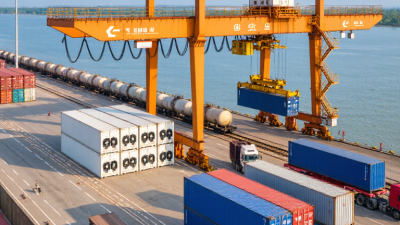
Sea containers are standardized steel units built to protect cargo during ocean transport. They move between ships, trucks, and rail wagons without unloading the goods. This makes global shipping faster and reduces handling damage.

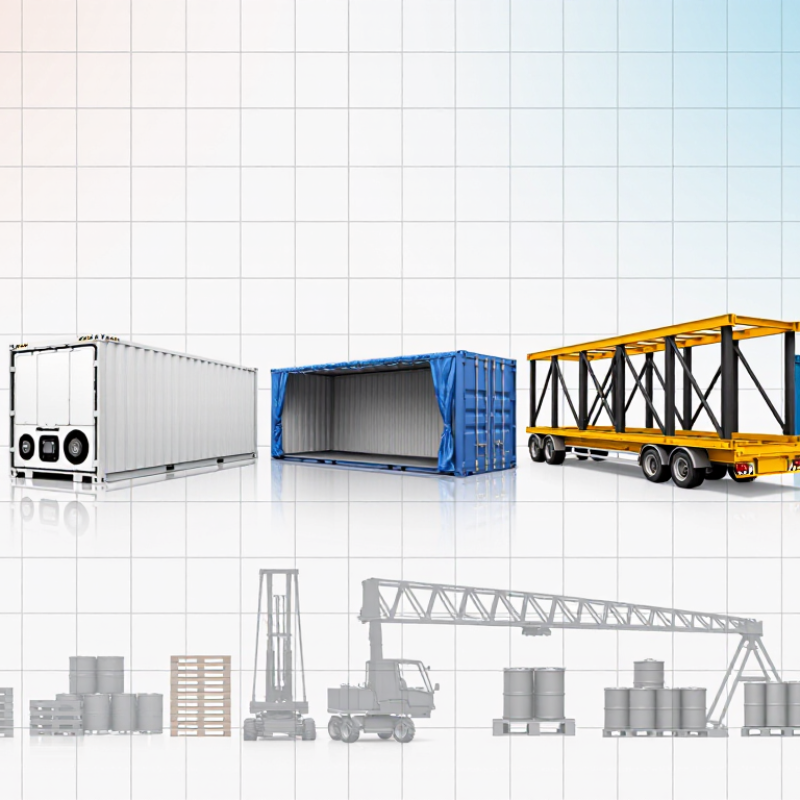
The common dry container suits cartons, machinery, furniture, and packaged materials. A high-cube version offers extra internal height for bulky cargo. Refrigerated containers control temperature for approved food, medical supplies, and other sensitive products. Open-top containers help load tall equipment with cranes. Flat-rack units support heavy or unusually shaped machinery. Each type has limits. Payload, dimensions, ventilation, and cargo securing must match the shipping plan.

Tips: Check internal measurements, door openings, maximum payload, and floor condition before booking. Ask for recent inspection records and confirm temperature requirements in writing. Use proper blocking and lashing for heavy cargo. A container can look spacious but still exceed axle or weight limits after loading. That mistake is easy to make. Leave clearance around vents in refrigerated units, and avoid placing heat-sensitive cargo near warm machinery. Requirements can differ by route and cargo category, so consult a qualified freight professional before dispatch. My practical view is simple: choosing the cheapest container first often creates higher costs later. The correct choice depends on the cargo, route, handling equipment, and delivery schedule.

Which Sea Container Types Will Global Buyers Need in 2026?

Global buyers in 2026 will need more than one standard sea container type. Cargo shape, temperature, loading access, and inland handling will guide each purchase. Dry containers will remain the workhorse for packaged goods, machinery parts, furniture, and general cargo. High-cube units will suit bulky goods because they provide extra internal height. That extra space matters. However, taller containers may create clearance issues on some inland routes.

Refrigerated containers will remain essential for food, pharmaceuticals, flowers, and other temperature-sensitive products. Buyers should check temperature records, insulation condition, power requirements, and service availability near the destination. Open-top containers can handle tall cargo loaded by crane, while flat racks support heavy machinery, pipes, and oversized equipment. Tank containers may serve approved liquid cargo, but compatibility and certification require careful professional review.

In practical procurement, container selection should begin with cargo measurements, not supplier habit.

Confirm external dimensions, payload limits, door openings, floor strength, and stacking requirements. Inspect corner posts, locking bars, seals, and roof panels before shipment. Check the inspection plate and applicable international safety documentation.

A clean exterior does not guarantee a sound interior. Buyers sometimes focus on price and overlook repainting, hidden corrosion, or weak flooring. That mistake can increase handling costs later.

Regional port rules and inland equipment also deserve attention. A perfect specification on paper may still fail during the final delivery.

How Do Standard, High-Cube, and Open-Top Containers Differ?

2026 Top Sea Container Types for Global Buyers?
How Do Standard, High-Cube, and Open-Top Containers Differ?

Container choice affects usable space, handling cost, and cargo protection. A standard dry container usually measures 8 feet 6 inches high. Its 20-foot version offers about 33 cubic meters of internal volume, while a 40-foot version provides roughly 67 cubic meters. These units suit cartons, machinery, furniture, and most palletized cargo. They are predictable. That matters.

A high-cube container adds about one foot of internal height. Its 40-foot version commonly provides nearly 76 cubic meters. That extra space helps with lightweight, bulky goods, such as insulation panels or assembled fixtures. However, volume is not the same as payload.

Road weight limits, floor loading, and cargo distribution still control the booking. UNCTAD’s Review of Maritime Transport 2024 reported strong growth in container-ship capacity, yet equipment availability can remain uneven by route and season.

Open-top containers remove the rigid roof. Cranes can load tall, heavy, or irregular cargo from above. A removable cover then protects the shipment from ordinary exposure. They work well for stone blocks, industrial parts, and construction equipment. They usually cost more and may receive special handling.

Drewry’s Container Census 2024 places the global container fleet above 28 million TEU, but that scale does not guarantee local availability.

A high-cube is not always better. Open-top is not automatically simpler. Shippers should confirm internal dimensions, tare weight, maximum gross weight, and terminal acceptance before paying. Small mistakes become expensive.

When Should Buyers Choose Refrigerated, Tank, or Flat-Rack Containers?

Refrigerated, tank, and flat-rack containers solve very different cargo problems. Buyers should match the equipment to the product’s sensitivity, shape, and handling risk. A reefer suits seafood, pharmaceuticals, dairy, and produce requiring stable temperatures. It is not simply a colder dry container. Cargo may need pre-cooling, ventilation, humidity control, or continuous power at terminals.

Drewry’s Reefer Shipping Annual Review and Forecast 2024/25 indicates continued growth in seaborne perishable trade, increasing pressure on reefer capacity and equipment planning. Choose a reefer when temperature loss could reduce safety or saleability. Confirm the required temperature range first. A small mistake here can spoil an entire load. Budget for electricity, monitoring, and possible plug-in delays.

Tank containers fit bulk liquids, powders, and gases that meet applicable transport standards. ITCO’s 2024 Global Tank Container Fleet Survey reported a worldwide fleet of about 882,000 units. This scale reflects strong demand for controlled, reusable bulk transport. Buyers should verify tank material, pressure rating, insulation, cleaning records, and compatibility with the cargo. “Food-grade” is not a universal specification.

Flat-rack containers are better for heavy machinery, pipes, timber, and oversized industrial parts. They provide open sides or collapsible ends, but cargo may face weather exposure. UNCTAD’s Review of Maritime Transport 2024 highlights persistent port congestion and schedule uncertainty. That matters for exposed cargo. Check lashing points, weight distribution, route restrictions, and crane access before booking. Flat-racks can look economical, yet poor securing may create expensive delays.

2026 Top Sea Container Types for Global Buyers? - When Should Buyers Choose Refrigerated, Tank, or Flat-Rack Containers?

Container Type Typical ISO Sizes Typical Internal Capacity Typical Payload Range Main Cargo Profile Temperature or Handling Capability Best Use Case for Global Buyers Key Limitations and Buyer Checks
Standard Dry Container 20 ft 40 ft 40 ft High Cube Approximately 33 m³ for a 20 ft unit;
67 m³ for a 40 ft unit;
76 m³ for a 40 ft High Cube.
Approximately 21.5–28.5 metric tonnes, depending on size, container rating, and shipping line rules. Cartons, pallets, machinery, furniture, textiles, packaged consumer goods, and most non-temperature-sensitive cargo. Weather-resistant enclosed box; no active temperature control. Choose as the default option for general cargo when the shipment is dry, non-hazardous, and suitable for standard loading. Check door dimensions, floor condition, cargo weight distribution, moisture protection, and the carrier's verified gross mass requirements.
Refrigerated Container (Reefer) 20 ft Reefer 40 ft High Cube Reefer Approximately 28 m³ for a 20 ft reefer;
approximately 67 m³ for a 40 ft High Cube reefer.
Often approximately 25–29 metric tonnes, subject to the unit's lower tare capacity, route limits, and carrier restrictions. Fresh and frozen food, pharmaceuticals, vaccines, flowers, chemicals requiring controlled temperatures, and other temperature-sensitive products. Powered active cooling and heating; common operating ranges are approximately -30°C to +30°C, but the exact range depends on equipment and cargo requirements. Choose when cargo quality, safety, or regulatory compliance depends on a specified temperature range during transit. Higher freight and energy costs; less internal volume than a dry container; requires a continuous power supply at terminals and on the vessel; confirm temperature set point, ventilation, humidity, pre-trip inspection, and data logging.
Tank Container 20 ft ISO Tank Specialized configurations Common tank capacities are approximately 14,000–26,000 litres, depending on the tank design and cargo density. Common maximum gross mass is up to approximately 36 metric tonnes, with the permitted payload determined by tare weight, liquid density, road limits, and regulations. Bulk liquids, liquefied gases, powders, food-grade liquids, industrial chemicals, and regulated hazardous substances. Suitable for controlled filling, discharge, heating, insulation, or pressure service when the tank is specifically designed and certified for the cargo. Choose when liquid or gas cargo should move in bulk rather than in drums, IBCs, or smaller packages, especially for repeated international flows. Verify tank approval, test and inspection dates, pressure rating, compatibility with the product, filling ratio, cleaning certificate, hazardous-goods documentation, and unloading equipment.
Flat-Rack Container 20 ft 40 ft Fixed End Collapsible Floor space is broadly comparable to the selected 20 ft or 40 ft container, but there are no full side walls and the usable profile depends on the cargo and lashing plan. Often approximately 21–34 metric tonnes, depending on the unit, cargo position, axle limits, and carrier approval. Oversized machinery, construction equipment, steel products, vehicles, transformers, pipes, and project cargo. Open sides and sometimes open ends; designed for top, side, or end loading. Cargo must remain within approved height, width, and weight limits. Choose when cargo is too wide, high, or heavy for a closed container but can be safely secured on a reinforced platform. Usually higher freight and handling charges; limited availability; requires an engineered lashing plan, weather protection where needed, crane or specialist loading, and carrier approval before booking.
Open-Top Container 20 ft 40 ft 40 ft High Cube Similar floor area to the corresponding dry container, with usable height affected by the removable roof bow and tarpaulin arrangement. Typically comparable to a dry container of the same size, but route, lifting, and cargo-position limits may reduce the practical payload. Scrap metal, stone, timber, machinery, glass, and tall or heavy cargo that cannot be loaded through standard doors. Removable canvas roof and, on some designs, removable roof bows; enables crane loading from above. Choose when the cargo is too tall or difficult to load through standard doors but does not require the open sides of a flat rack. Less weather protection than a hard-roof container; cargo may require special securing; confirm height clearance, tarpaulin condition, crane access, and carrier acceptance.
Platform Container 20 ft 40 ft Provides a reinforced floor platform without side walls or end walls; usable dimensions are determined by the cargo securing design. Payload varies widely by design and route, commonly around 30 metric tonnes or more for suitable heavy-lift applications. Extremely heavy, wide, or irregular project cargo, including industrial modules and large engineering components. Open platform with reinforced structure; suitable for cargo that exceeds the dimensional limits of flat racks. Choose only for exceptional project cargo that cannot be accommodated on a flat rack and has an approved transport and securing plan. Special booking and engineering review are normally required; higher handling costs, limited vessel compatibility, and complex port, road, and lifting arrangements.
Ventilated or Special-Purpose Container 20 ft 40 ft Cargo-specific Varies by design; generally lower than a standard dry container when additional ventilation, insulation, or internal equipment is installed. Depends on the container design and the cargo's moisture, airflow, or handling requirements. Coffee, agricultural products, cargo requiring passive airflow, garments, waste materials, and other goods needing a modified interior. Passive ventilation or specialized fittings; does not provide the precise active temperature control of a reefer unless specifically equipped. Choose when airflow or a specialized interior is required but active refrigeration is unnecessary. Confirm that ventilation is appropriate for the cargo; passive airflow cannot replace temperature control, humidity management, or approved dangerous-goods equipment.
Buyer note: Dimensions, payloads, temperature ranges, tank capacities, and equipment availability are typical industry ranges rather than universal specifications. Always confirm the exact container's CSC plate, ISO details, tare weight, maximum gross mass, carrier acceptance, route restrictions, cargo regulations, and loading plan before booking.

What Factors Determine the Right Container for Each Shipment?

2026 Top Sea Container Types for Global Buyers

The right container begins with the cargo, not the quotation. UNCTAD’s Review of Maritime Transport 2024 confirms that over 80% of global merchandise trade by volume moves by sea. That scale makes small selection errors expensive. A standard dry container suits boxed, palletized goods with stable dimensions. A high-cube unit adds about 30 centimeters of internal height, useful for light, bulky cargo. Weight limits still matter. More space does not mean more permitted weight.

Temperature-sensitive cargo needs a refrigerated container with verified temperature records and sufficient power availability. Moisture-sensitive goods may require ventilation or desiccant planning. Oversized machinery can need an open-top or flat-rack container. Measure every protruding part, including handles and protective packaging. ISO 668 sets key container dimensions, but actual usable space can vary with fittings and door design. Measure twice.

Route conditions also influence the decision. Check port equipment, inland road limits, transfer points, and empty-container availability before booking. A specialized unit may fit perfectly at origin but create delays at destination. UNCTAD’s data on maritime network pressure shows why schedule assumptions deserve caution. I have seen cargo plans fail because a shipment was priced before its loading method was tested. That mistake is avoidable, though not always obvious. A simple loading sketch, cargo weight record, and contingency plan can expose weak decisions early.

2026 Top Sea Container Types for Global Buyers

What factors determine the right container for each shipment?

Typical internal volume varies by container design. Dry containers are suitable for general cargo, high-cube units provide extra vertical space, and refrigerated containers use part of their internal volume for insulation and cooling equipment. The final choice should also consider cargo dimensions, temperature control, payload limits, loading method, route availability, and local handling conditions.

Call Now Button