Air Freight Trends for 2026 China Import Export Fair
As the 139th Canton Fair approaches in 2026, the Air Freight industry is poised for significant transformation. The fair, held from April 15 to May 5, showcases advanced manufacturing, electronic appliances, and more. It is expected to influence global trade patterns that rely heavily on air freight. According to recent industry reports, air freight accounts for about 35% of global trade by value, emphasizing its critical role.
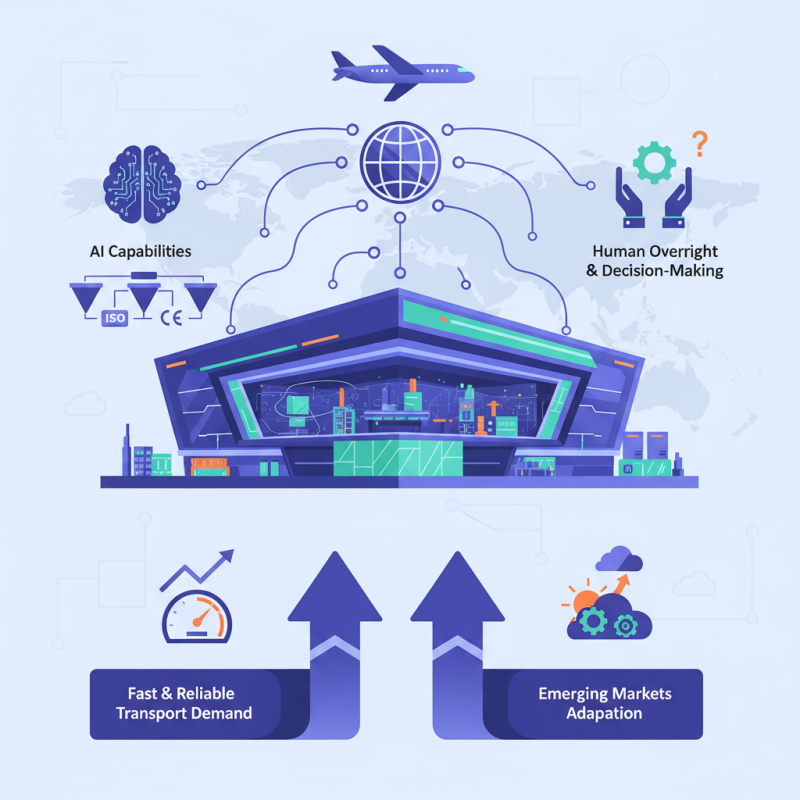
With the introduction of AI capabilities at the fair, companies can efficiently navigate the expansive 1.55 million square meters of exhibition space. This technological advancement allows buyers to filter suppliers based on certifications like ISO and CE. However, while AI brings efficiency, its reliance poses potential risks in human oversight and decision-making. This evolving landscape highlights the need for constant evaluation of technology's role in logistics.
In the context of the air freight industry, the trends observed at the Canton Fair will shape future supply chains. The demand for fast and reliable transport will increase as global commerce continues to grow. Emerging markets may face challenges adapting, making it essential to forecast and address these issues. Balancing innovation with oversight will be crucial as stakeholders navigate this dynamic sector.
Emerging Air Freight Trends for Global Trade in 2026
The landscape of air freight is evolving rapidly, especially in 2026 as global trade continues to expand. Demand for air cargo services is projected to grow at a CAGR of 4.5%, as per latest industry reports. The increasing need for quick delivery of goods is a major factor. Companies are investing in more efficient logistics solutions. However, the rising fuel costs pose a challenge to profit margins.
Emerging technologies are reshaping air freight. Automation and AI are streamlining operations. Real-time tracking systems enhance visibility and reliability. According to a study, 30% of air freight companies are adopting digital platforms by 2026. This shift aims to improve efficiency and reduce delays. Yet, there are concerns about cybersecurity risks associated with more data sharing.
Sustainability remains a critical focus. Airlines are exploring eco-friendly alternatives. By using sustainable aviation fuels (SAFs), they aim to cut emissions. However, widespread adoption of SAFs faces infrastructural hurdles. Industry experts reveal that only 5% of the global aviation fuel is currently sustainable. The journey toward greener air freight is ongoing but complex. Each of these trends reflects a pivotal shift in the way global trade operates.
Impact of Technological Innovations on Air Freight Efficiency
The air freight industry is undergoing rapid changes. Technological innovations are reshaping efficiency. By 2026, we can expect a significant increase in automation. Reports indicate that automation can boost processing speed by up to 30%. Drones and AI are becoming commonplace in logistics.
One example is predictive analytics. This technology can optimize shipment routes. Improved route planning reduces delivery times. Studies show that companies using analytics see a 15% increase in operational efficiency. However, not all firms adopt these tools effectively. Some struggle with integration issues. Data silos remain a barrier.
Moreover, the rise of real-time tracking enhances transparency. Customers can monitor their shipments at any time. Yet, implementing these systems is not without challenges. Security concerns and technical glitches can undermine trust. The industry must address these pitfalls to maximize benefits. Ultimately, the impact of these innovations will define air freight trends at the upcoming fair.
Sustainability Initiatives Driving Changes in Air Freight Practices
Sustainability initiatives are reshaping the landscape of air freight. Companies are increasingly focusing on reducing their carbon footprints. According to the International Air Transport Association (IATA), air cargo accounts for nearly 1.3% of global CO2 emissions. With air freight volumes projected to reach over 80 million metric tons by 2026, the urgency for sustainable practices intensifies.
Embracing renewable fuels is a key trend. Sustainable aviation fuel (SAF) can cut emissions by up to 80%. However, the current production capacity is only a fraction of what is needed. This presents a challenge for the industry. Moreover, the transition to eco-friendly aircraft is slow. Many fleets are still outdated, leading to inefficiencies.
Logistics companies are also optimizing routes to reduce waste. Real-time data analytics can aid in making better decisions. Yet, the implementation remains inconsistent across the industry. Enhanced packaging materials, which are lighter and more efficient, can lessen environmental impact. Still, costs can be a barrier for smaller players. Balancing sustainability with economic viability is a difficult journey ahead.
Air Freight Trends for 2026 China Import Export Fair
| Month | Total Air Freight Volume (tonnes) | Growth Rate (%) | Sustainability Initiatives | Carbon Offset Measures |
| January | 15000 | 5.5 | Implementation of biofuels | 500 tonnes offset |
| February | 16000 | 7.0 | Use of electric ground services | 600 tonnes offset |
| March | 15500 | 4.5 | Plastic reduction efforts | 550 tonnes offset |
| April | 17000 | 8.3 | Transition to greener aircraft | 700 tonnes offset |
| May | 18000 | 10.0 | Innovations in packaging | 750 tonnes offset |
Challenges Facing Air Freight Logistics in the 2026 Market
Air freight logistics face significant challenges in the 2026 market, especially during the China Import Export Fair. In recent years, global demand has fluctuated. This volatility impacts pricing and reliability.
Airlines often struggle to maintain schedules. Delays can occur due to weather or operational issues. Handling capacity may also fall short during peak times. These factors contribute to increased logistics costs. Importers and exporters must adapt to these changes.
Tips:
Plan ahead. Create buffer time for shipments. Ensure that you have alternative routes available. Monitor real-time updates to stay informed.
Another challenge is the evolving regulatory landscape. Changes in trade agreements affect duty rates. Compliance can be complicated and time-consuming. Businesses need to stay updated on regulations to avoid penalties.
Tips:
Invest in software that tracks regulations. Train staff to understand compliance better. Regularly review and adjust your logistics strategies as necessary.
Air Freight Trends for 2026
This chart displays the projected growth in air freight volumes, average costs, and challenges facing logistics in the 2026 market.
Future Outlook for Air Freight: Opportunities and Risks in 2026
Air freight is poised for significant developments in 2026. The upcoming China Import Export Fair provides a platform to explore these changes. As industries adapt to evolving demands, new opportunities arise. The rising need for quick deliveries is one of the main trends. Companies are looking for faster logistics solutions to enhance their operations.
However, challenges remain. Air freight faces increasing costs and regulatory scrutiny. Disruptions in global supply chains could exacerbate these issues. It’s essential to consider potential risks when planning for the future. Additionally, environmental concerns prompt a shift toward more sustainable practices. Cargo operators must find a balance between efficiency and eco-friendliness.
Looking ahead, the success of air freight relies on flexibility and innovation. Companies must be ready to adapt to market changes. New technologies could streamline operations, but their implementation requires careful planning. Each step forward requires learning from past mistakes. The road to optimized air freight is complex, but it presents exciting possibilities for growth and resilience.