What Are the Benefits of Using ISO Containers for Global Shipping?
In today’s global trade landscape, the use of ISO containers has transformed shipping practices. Michael Grady, a logistics expert with over 15 years of experience, emphasizes, “ISO containers streamline global shipping and enhance efficiency.” This shift towards ISO containers not only simplifies transportation but also ensures better protection for goods.
ISO containers offer standardization, which makes logistics more predictable. They are designed to withstand harsh conditions during transit, from extreme temperatures to rough handling. Statistics show that over 90% of the world’s cargo is transported using these containers. This standardization leads to reduced shipping costs and increased reliability.
However, there are challenges to consider as well. Not all ports are equipped for ISO container handling, which can lead to delays. Moreover, inspecting containers can be a cumbersome process, often requiring intricate procedures. Despite these issues, ISO containers remain a preferred choice for many businesses. The balance of reliability and efficiency makes them indispensable in global shipping.
The Definition and Purpose of ISO Containers in Global Shipping
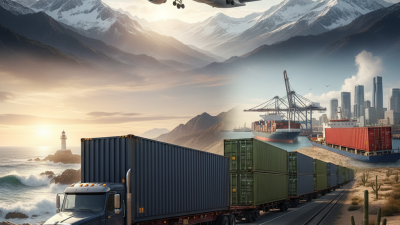
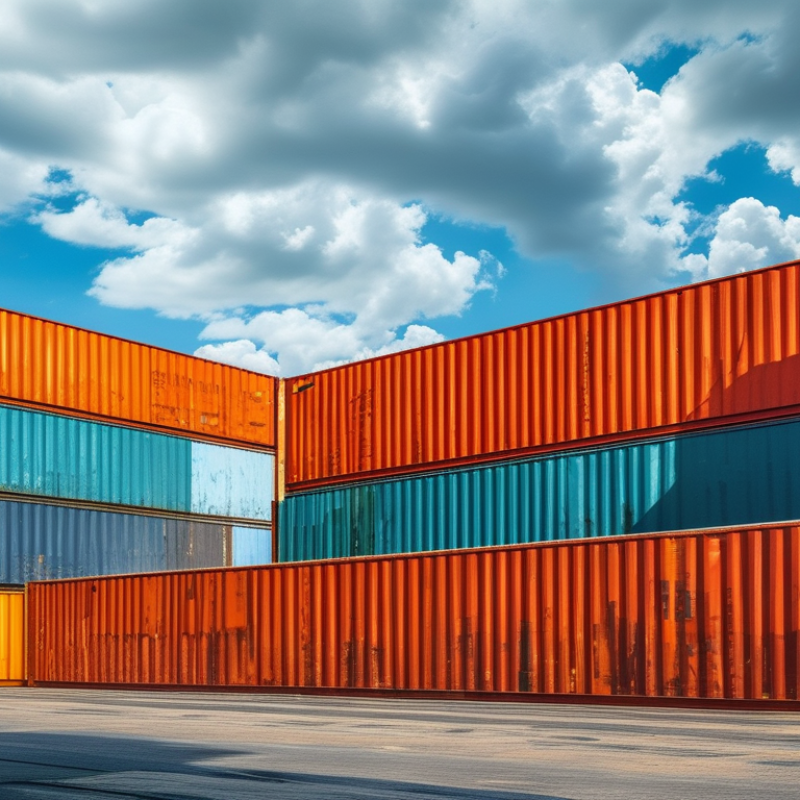
ISO containers, also known as shipping containers, are standardized for global shipping. They facilitate the transport of goods across various modes of transport, including ships, trains, and trucks. The International Organization for Standardization (ISO) has defined specific dimensions and characteristics that enhance efficiency and safety. For instance, a standard 20-foot container can carry up to 28,000 kg of cargo, maximizing load capacity and reducing shipping costs.
Their design allows for easy stacking and movement. This standardization leads to a more organized supply chain. According to industry reports, using ISO containers can reduce shipping time by up to 30%. Additionally, they are durable and weather-resistant, protecting goods during transit. The recyclable nature of these containers also supports environmental sustainability.
When using ISO containers, consider proper loading techniques to prevent cargo damage. Overloading or improper packing can lead to significant losses. Regular inspections for wear and tear are crucial. Ensure containers are airtight when shipping perishables to avoid spoilage. Transitioning to ISO containers may seem complex, but it significantly improves shipping operations in the long run.
Key Advantages of ISO Containers for Freight Transportation
ISO containers have revolutionized the shipping industry. They offer standardization, which simplifies loading and unloading across different modes of transportation. This uniformity speeds up the logistics process, benefiting businesses and customers alike. The ability to stack containers saves valuable space on ships and in warehouses. This efficiency helps reduce overall shipping costs, a critical consideration for many companies.
Another significant advantage is the durability of ISO containers. Made from strong materials, they are designed to withstand harsh weather and rough handling. This means cargo remains protected during transit, minimizing losses. However, not all containers are in perfect condition. Regular inspections are essential to ensure that they remain safe and functional. Attention to detail here can prevent costly damages.
ISO containers also promote flexibility. They can be used not just for shipping goods, but also for storage and even temporary housing. This versatility opens up numerous possibilities for different industries. However, potential users must reflect on their specific needs. Choosing the right container type and size matters greatly. Not all solutions fit every scenario, and careful planning is essential to maximize the advantages of ISO containers.
What Are the Benefits of Using ISO Containers for Global Shipping? - Key Advantages of ISO Containers for Freight Transportation
| Advantage |
Description |
| Standardization |
ISO containers are designed to universal standards, making them compatible with various transport modes. |
| Durability |
Made of strong materials, these containers can withstand harsh conditions during transit. |
| Security |
ISO containers can be securely locked, reducing the risk of theft. |
| Cost-efficiency |
Utilizing standard containers reduces handling time and costs, improving overall efficiency. |
| Versatility |
ISO containers can transport a variety of cargo types, from perishables to heavy machinery. |
| Environmental Impact |
Using ISO containers promotes sustainability through optimized shipping and reduced emissions. |
| Global Reach |
They are easily transported across different continents and logistics networks, enhancing global trade. |
Standardization and Interoperability in Shipping Processes
The standardization of ISO containers has revolutionized global shipping processes. These standardized containers allow for seamless transfer between ships, trucks, and trains. According to a report by the International Maritime Organization (IMO), around 90% of global trade is carried by sea. With ISO containers, businesses can significantly streamline their logistics, reducing handling times and costs.
While the benefits are substantial, the industry faces challenges. Not all ports and transport systems are equipped for these standardized containers. A 2020 study indicated that some regions still lag in infrastructure, limiting efficiency. Inconsistent regulations across countries can create hurdles. In addition, shipping delays caused by port congestion remain a critical issue, often exacerbated by the heavy reliance on these standard containers.
Despite these issues, the interoperability of ISO containers offers notable advantages. They promote uniformity in shipping practices, making the process more predictable and manageable. The World Bank reported that efficient containerization can reduce shipping costs by up to 30%. This shows the immense potential if challenges are addressed. As the industry evolves, continuous improvement in infrastructure and regulations will be essential for maximizing the benefits of ISO container use.
Cost Efficiency and Sustainability of Using ISO Containers
ISO containers have revolutionized global shipping by promoting cost efficiency and sustainability. A 2022 report from the International Maritime Organization highlighted that using ISO containers can reduce shipping costs by up to 30%. This reduction stems from their standard size, which maximizes cargo space and minimizes handling time. Additionally, ISO containers simplify logistics, leading to fewer delays and lower operational costs.
Sustainability is another significant advantage. According to a study by the World Economic Forum, ISO containers play a crucial role in reducing carbon emissions. By enabling efficient stacking and transport, they reduce the number of trips needed to move goods. The report noted that optimized containerization could lower shipping emissions by approximately 25% within a decade. This shift is critical as industries strive to meet sustainability goals.
However, challenges remain. While ISO containers are durable and reusable, they can require substantial resources for production. The environmental impact of their production process deserves further examination. Continuous improvement in the lifecycle management of these containers is necessary to maximize their sustainability benefits. As the industry progresses, addressing these issues will be crucial for achieving long-term efficiency and environmental stewardship.
Impact of ISO Containers on Global Trade and Logistics Systems
ISO containers have transformed global trade and logistics systems significantly. Since their introduction, they have standardized shipping practices. This standardization allows for easier loading and unloading at ports. According to a report by the International Maritime Organization, around 90% of global trade involves container shipping. This statistic underscores the vital role of ISO containers in facilitating international commerce.
The efficiency of ISO containers reduces transit times. In 2020, the World Bank noted that shipping costs dropped by 29% due to better containerization. Less time in port means lower costs for companies. However, challenges remain. Instances of port congestion can lead to delays. Additionally, the impact of weather on container operations is a persistent concern. The reliance on technology for tracking containers can also be problematic, leading to issues with data accuracy.
Moreover, the environmental impact of shipping continues to be an ongoing discussion. While containers maximize space and reduce the carbon footprint per unit, the shipping industry remains one of the largest contributors to global CO2 emissions. Initiatives aimed at improving sustainability are crucial but often face resistance due to cost implications. Balancing efficiency with environmental responsibility poses a challenge that requires careful reflection and innovation.
Benefits of Using ISO Containers for Global Shipping