Is Your Container Ready?
Get In Contact With Us Today
Is Your Container Ready?
Get In Contact With Us Today
7 Best FCL Container Shipping Tips for Global Buyers
For global buyers, an fcl container can simplify large-volume shipping, but it demands careful planning. One missed cutoff may leave cargo waiting at the port for days. A wrong container size can create unused space, higher costs, or unstable loading. These details often matter more than a small freight-rate difference.
This guide shares seven practical tips for managing FCL shipments with greater confidence. It covers container selection, supplier coordination, packing plans, loading inspections, documentation, insurance, and delivery tracking. Buyers should confirm dimensions, weight limits, cargo protection, and port schedules before booking. Measure twice.
A reliable process begins with clear communication. Ask suppliers for carton dimensions, pallet counts, loading photos, and the final cargo-ready date. Check the shipping line’s booking details carefully. Confirm the bill of lading information before departure. Small errors can delay customs processing or create expensive corrections.
Experience also shows that every route behaves differently. Port congestion, seasonal demand, and local handling procedures can change quickly. No checklist removes every risk. Still, a disciplined approach makes problems easier to detect and solve. Some recommendations may need adjustment for fragile goods, oversized cartons, or mixed supplier orders. That is normal.
The following tips are designed for practical use, not theory. They help global buyers compare options, reduce avoidable surprises, and build stronger relationships with freight partners. Keep records. Inspect carefully. Then improve the process after each shipment.
Assess Cargo Volume and Choose the Right FCL Container Size
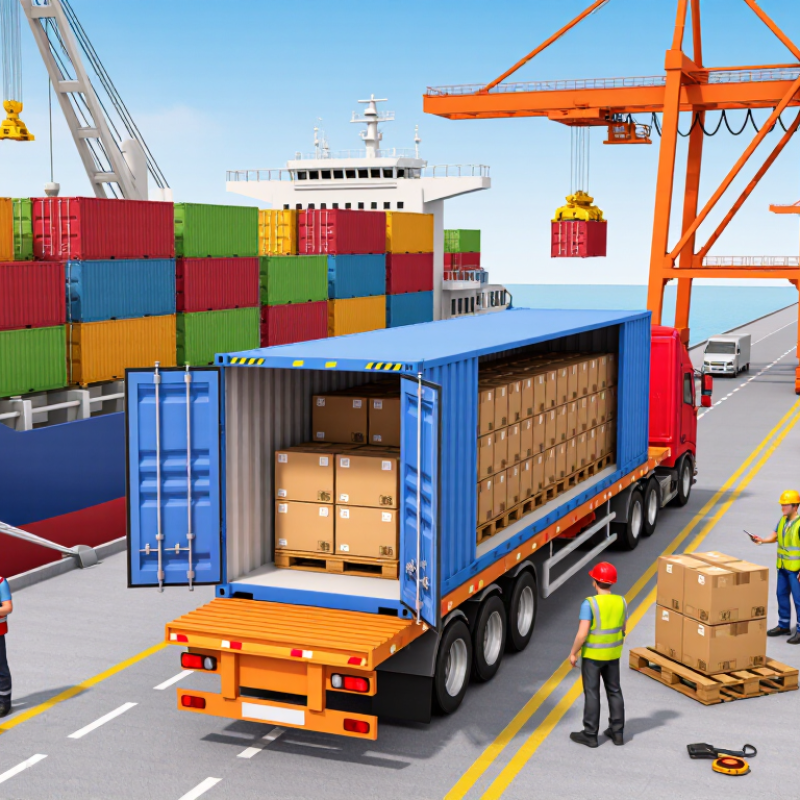
Choosing an FCL container starts with accurate cargo measurements, not guesswork. Calculate the total cubic volume, weight, carton dimensions, and pallet layout. A 20-foot container usually suits compact, heavy cargo. A 40-foot container offers more floor space for lighter shipments. A 40-foot high-cube container provides extra internal height, which helps with tall cartons or stacked pallets. Check the container’s usable capacity, not only its advertised volume. Door width, corner space, and loading restrictions can reduce practical capacity.
Tips: Request a detailed packing list before booking. Ask the supplier for carton length, width, height, quantity, and gross weight. Create a simple loading plan with pallet positions and walking space. Leave room for uneven shapes and protective materials. Do not fill every centimeter.
In my experience, buyers often choose a larger container after seeing a rough volume estimate. That choice can waste money when cartons contain excessive empty space. I once underestimated wooden support frames because their dimensions were missing from the supplier’s first list. The final loading plan changed. Recheck measurements after packaging is complete. Confirm weight distribution, especially when dense goods sit on one side. Your calculation may still be imperfect, but a verified packing list and a second review reduce expensive surprises. Also compare the cargo’s total weight with the carrier’s accepted limits and the destination’s transport requirements.
FCL Container Capacity Comparison
Comparing nominal internal volume helps global buyers select an FCL container that fits cargo volume efficiently. Actual usable capacity may vary by container specification, cargo shape, packaging, and loading method.
Approximate nominal internal volume: 20-foot standard containers hold about 33.2 m³, 40-foot standard containers about 67.7 m³, 40-foot high-cube containers about 76.4 m³, and 45-foot high-cube containers about 86.0 m³.
Verify Suppliers, Product Documents, and Shipping Requirements
7 Best FCL Container Shipping Tips for Global Buyers
Verify Suppliers, Product Documents, and Shipping Requirements
A full-container-load shipment can look simple until one missing document delays the container. UNCTAD’s Review of Maritime Transport 2024 states that more than 80% of global merchandise trade moves by sea. That scale does not remove buyer responsibility. It increases it.
Verify the supplier’s legal company name, factory address, export experience, and banking details. Request a recent business license and production photographs. Call the factory, not only a sales contact. A spreadsheet can still hide a weak supplier. I have seen buyers check product samples but ignore carton markings and packaging strength. That mistake can become expensive inside a sealed container.
Match the commercial invoice, packing list, purchase contract, and product description. Check quantities, gross weight, dimensions, country of origin, and declared value. Differences can trigger customs questions. Confirm whether the goods require safety certificates, testing reports, labels, or special handling. Requirements vary by destination and product category.
Review the shipping terms carefully. Clarify who books the container, who pays local charges, and when risk transfers. The World Bank’s Logistics Performance Index 2023 evaluates customs, infrastructure, tracking, and timeliness. These factors affect real delivery reliability. Ask for the forwarder’s cut-off time, port pair, free-storage period, and permitted container weight. Get every answer in writing. Some details will still change. Build a practical buffer.
Compare Freight Quotes, Incoterms, Routes, and Transit Times
For global buyers, FCL shipping decisions often begin with three freight quotes. Do not compare only the final number. Ask whether each quote includes origin handling, documentation, customs clearance, and destination charges. A low ocean rate can hide expensive local fees. Request the quote validity period too, because fuel and equipment costs can change quickly.
I also record the container size, cargo weight, and loading location beside every offer. This simple sheet prevents misleading comparisons.
Incoterms define who pays, who arranges transport, and when risk changes hands. They do not automatically settle every customs obligation. For example, a buyer choosing a term with destination delivery should confirm unloading costs and import procedures. A supplier may offer a convenient term, but convenience is not always the cheapest option.
Discuss insurance separately. I once treated a quoted delivery term as all-inclusive and later found terminal charges excluded. That mistake was avoidable.
Compare direct sailings with transshipment options, checking port congestion and seasonal delays. Transit time is usually an estimate, not a promise. Build a buffer of several days for production schedules and final delivery.
Ask for cut-off times, sailing frequency, and tracking milestones before booking. A faster route may cost more, while a cheaper route may create inventory gaps. Recheck assumptions before payment.
Prepare Accurate Packing, Labeling, and Container Loading Plans
Accurate preparation is the foundation of reliable FCL shipping. Measure each carton, pallet, and machine before booking the container. Record length, width, height, gross weight, and quantity. Do not rely on supplier estimates alone. Small errors can leave unusable gaps or create dangerous pressure points. I have seen a few centimeters of extra height disrupt an entire loading plan.
Use strong packaging suited to the cargo and voyage conditions. Add corner protection, moisture barriers, and shock-absorbing materials where needed. Keep heavier cartons low and near the container’s centerline. Spread weight evenly across the floor. Leave no loose space that allows cargo to shift. A simple loading diagram can show carton positions, stacking limits, and unloading order. It may look basic, but it prevents rushed decisions at the warehouse.
Labels should remain readable after handling and exposure to humidity. Mark carton numbers, gross weight, dimensions, handling directions, and destination details clearly. Place labels on two visible sides when possible. Photograph the cargo before loading, during loading, and after blocking and bracing. Check the container floor, walls, roof, doors, and odor before use. One overlooked defect can damage otherwise well-packed goods. Recheck the final count against the packing list, then record the seal number and loading time. Perfect plans are rare. Careful rechecking matters more.
Track Shipments and Manage Customs Clearance and Delivery Risks
FCL shipping becomes safer when tracking starts before the container leaves the warehouse. Confirm the booking, container number, seal number, and planned sailing date. Record loading photos and the final packing list. Use milestone alerts for gate-in, vessel departure, transshipment, arrival, and release. Small delays become expensive quickly.
Check the commercial invoice, packing list, bill of lading, and origin documents against each other. Even a different product description can delay customs review. Confirm tariff classification, declared value, consignee details, and destination requirements with a qualified customs professional. Keep digital copies and paper backups. Customs teams need clear evidence, not assumptions.
Build a delivery-risk plan before arrival. Ask who will monitor free-time limits, inspection notices, port congestion, and inland appointments. Share one emergency contact with the carrier, broker, warehouse, and final receiver. I have seen teams track the vessel but miss a document deadline. That mistake is surprisingly common. Add a buffer for weather, inspections, and terminal delays. Do not promise a delivery date until customs release is visible. Review tracking updates daily near arrival, then confirm the empty container return appointment. Some plans still fail. A short post-shipment review can reveal weak handoffs, missing alerts, or unrealistic buffers.
Related Posts
-
Why Choose Full Container Shipping for Your Business?
-
How to Choose the Right Full Container for Your Shipping Needs?
-

How to Choose the Right Sea Container for Your Shipping Needs
-

Top 10 Best Tips for Shipping a Container Efficiently
-

Why Are Cargo Shipping Containers Essential for Global Trade?
-

2026 Best Container Shipping Options for Efficient Global Trade