Is Your Container Ready?

Get In Contact With Us Today

Is Your Container Ready?

Get In Contact With Us Today

2026 Best Tips to Send Container Safely and Efficiently?

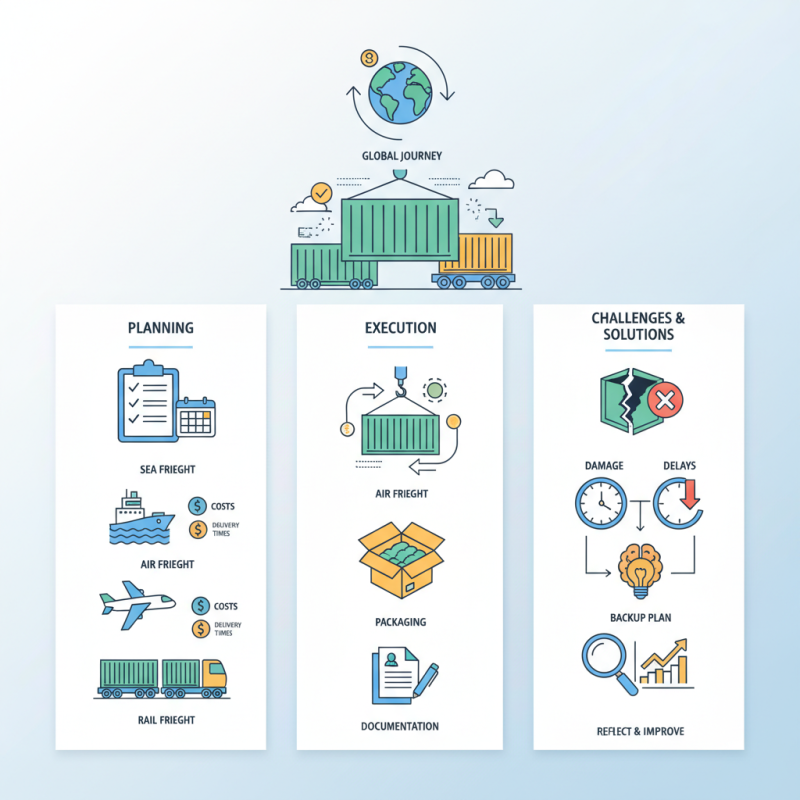
When you want to send container cargo, efficiency and safety are paramount. Proper planning ensures your goods arrive undamaged and on time. Consider the journey your container will take. Each step impacts the outcome.

Choosing the right shipping method is vital. Depending on your needs, you may opt for sea freight, air freight, or rail. Costs and delivery times vary significantly. Each option requires different packaging and documentation.

However, even with careful preparation, things can go wrong. Damage can happen during handling, or delays may arise. Always have a backup plan. Reflect on past mistakes to improve future shipments. This way, you can adapt and overcome challenges when you send container.
2026 Best Tips to Send Container Safely and Efficiently?

Best Practices for Container Packing to Minimize Damage Risks

When packing containers, the right techniques are crucial. Proper packing can drastically reduce damage during transit. One essential tip is to choose the right packing materials. Use sturdy boxes and fillers like bubble wrap or foam. This helps absorb shocks during transportation. Always check for the right size of your containers.

Another key practice is organizing the items methodically. Heavy items should go at the bottom. Lighter items can sit on top. This simple arrangement prevents crushing and shifting. Pay attention to space; avoid empty gaps that might allow movement. Using dividers can add extra protection.

It’s vital to label your packages clearly. Tags that indicate "Fragile" or "Handle with Care" alert handlers to treat them cautiously. Reflect on whether you included all necessary information. Sometimes, details can be overlooked. Ensuring clarity here can save you from future headaches. Proper packing is not just about fitting items snugly; it’s about thinking ahead.
Choosing the Right Container for Different Types of Cargo

2026 Best Tips to Send Container Safely and Efficiently?

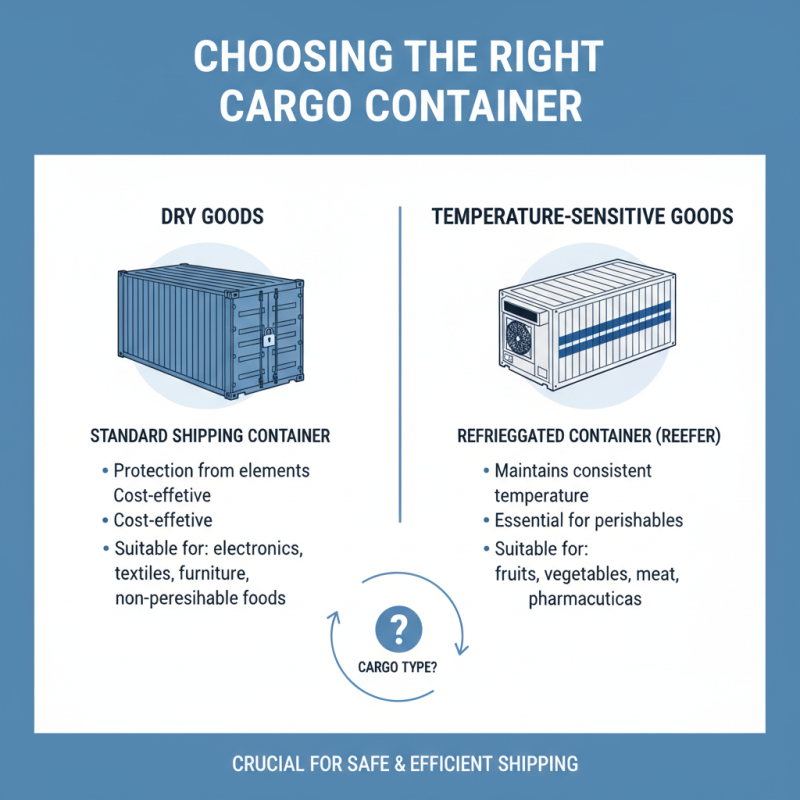
Choosing the right container for your cargo is crucial. Different types of cargo require different containers. For dry goods, standard shipping containers are often sufficient. They protect against the elements and are cost-effective. If your cargo is sensitive to temperature, consider using refrigerated containers. These maintain a consistent temperature, essential for perishable items.

When it comes to bulky items, flat-rack containers might be necessary. They allow for easy loading and unloading. However, securing the cargo can be a challenge. Make sure to use proper straps and prevent movement during transit. The environment can also impact your choice. Containers that resist corrosion are vital for transporting goods in humid conditions.

Don't overlook the importance of size. A container that is too large can increase costs. Conversely, an overly small container can damage cargo. This can result in losses and delays. Always double-check the dimensions before ordering. Reflect on past shipments to identify mistakes. Learning from these experiences can lead to better decisions in the future.

Optimizing Shipping Routes to Enhance Delivery Efficiency

Optimizing shipping routes is critical for improving delivery efficiency. With over 50% of global shipping costs tied to transportation, every optimized mile counts. A report from the International Maritime Organization indicates that better route planning can reduce fuel consumption by up to 30%. This reduction not only saves money but also lowers carbon emissions, addressing sustainability concerns.

Modern technology plays a significant role in route optimization. Companies are using advanced algorithms and machine learning to analyze real-time data. For example, traffic patterns and weather conditions can affect shipping times. Studies show that using such data can enhance delivery accuracy by 20%. However, there are challenges. Many businesses still rely on outdated systems. This can lead to delays and increased operational costs.

It's essential to regularly review shipping strategies. Even slight inefficiencies can compound over time, resulting in significant losses. A recent survey revealed that around 70% of logistics professionals believe their route planning could be improved. Continuous improvement is necessary. Embracing technology and analyzing data must go hand in hand for effective shipment. Balancing cost with efficiency remains a common struggle.

Understanding Regulations and Compliance in Container Shipping

Understanding regulations and compliance in container shipping is crucial for safe transport. The International Maritime Organization (IMO) emphasized that 80% of global trade by volume relies on shipping. Yet, many shippers overlook regulatory details. Non-compliance can lead to fines and shipment delays.

It's vital to know your destination's import regulations. Every country has specific customs requirements. For example, improper documentation can stall your container at ports. Maintaining accurate records is key. Use digital tools to track compliance more efficiently.

Tip: Always check for updates on shipping laws. Regulatory changes can occur unexpectedly. Regular training for your staff is beneficial. Remember, a small mistake can have serious repercussions. Addressing these issues proactively is essential. Adopting a thorough compliance checklist can save time and money in the long run. Stay informed to avoid pitfalls and streamline your shipping process.

Utilizing Technology for Real-Time Tracking and Monitoring of Containers

In today's fast-paced logistics environment, real-time tracking and monitoring of containers is essential. Using technology can enhance safety and efficiency greatly. GPS tracking systems provide accurate locations of containers at all times. Sensors can monitor temperature, humidity, and other conditions throughout transit. This allows for proactive measures against potential issues.

However, challenges still exist. Connectivity outages can disrupt data flow. Once a container moves out of range, vital information may be lost. Businesses need to have contingency plans for such situations. Regularly reviewing technology solutions is necessary to adapt to emerging threats. Automated alerts can signal anomalies, but they require constant supervision.

Engaging in these practices can lead to improvements but often demands action. Some companies struggle to embrace these technologies due to costs or lack of knowledge. Investing in training for employees may also be necessary, but it is worth the effort. Monitoring tools can refine operational processes and minimize losses, proving beneficial in the long run.

Call Now Button