What is a Cargo Container and How is it Used in Shipping?
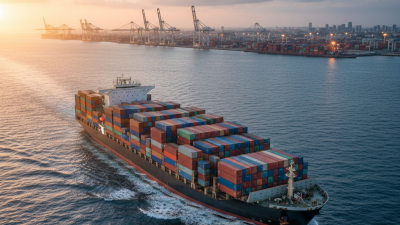
In the world of shipping, the cargo container plays a vital role. These large, standardized boxes transport goods across oceans and land. A cargo container is designed for heavy items and various types of products. Their durable structure protects contents from harsh environmental conditions during transit.
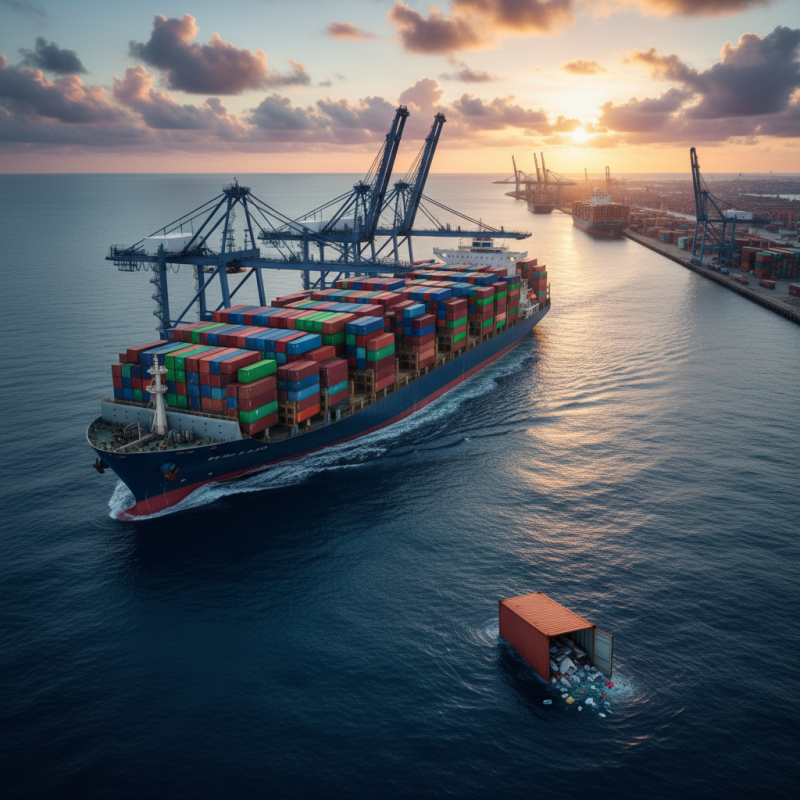
Innovations in cargo container design have made shipping more efficient. Modern containers are stackable, maximizing space on ships or trucks. However, the rise of containers has its challenges. Overloading can lead to accidents and damages. Containers can also become lost at sea, which raises concerns about environmental impact.
As the global market grows, the demand for cargo containers increases. Businesses rely on these containers for international trade. Therefore, understanding how these transport units work is essential. Their role in logistics continues to evolve but requires careful consideration and reflection.
What is a Cargo Container? An Overview of Its Definition and Types
Cargo containers are essential for modern shipping logistics. These large, standard-sized boxes carry goods across oceans. They are designed to fit on ships, trucks, and trains. A container can hold anything from electronics to clothing. The uniformity of sizes simplifies loading and unloading processes.
There are various types of cargo containers:
-
Dry containers: The most common type that keeps goods dry and protected from the elements.
-
Refrigerated containers (reefers): Maintain a controlled temperature for perishables.
-
Open-top containers: Allow for taller cargo to be loaded.
Each type meets specific needs for different shipping scenarios.
Despite their standardization, issues can arise. Containers may suffer from wear and tear, impacting safety. Incorrectly loaded containers can shift during transit, leading to accidents. It's crucial to ensure proper handling and maintenance. Often, operators overlook details, leading to costly mistakes. Understanding these aspects is vital for improving shipping efficiency.
History of Cargo Containers: Evolution from Traditional Shipping Methods
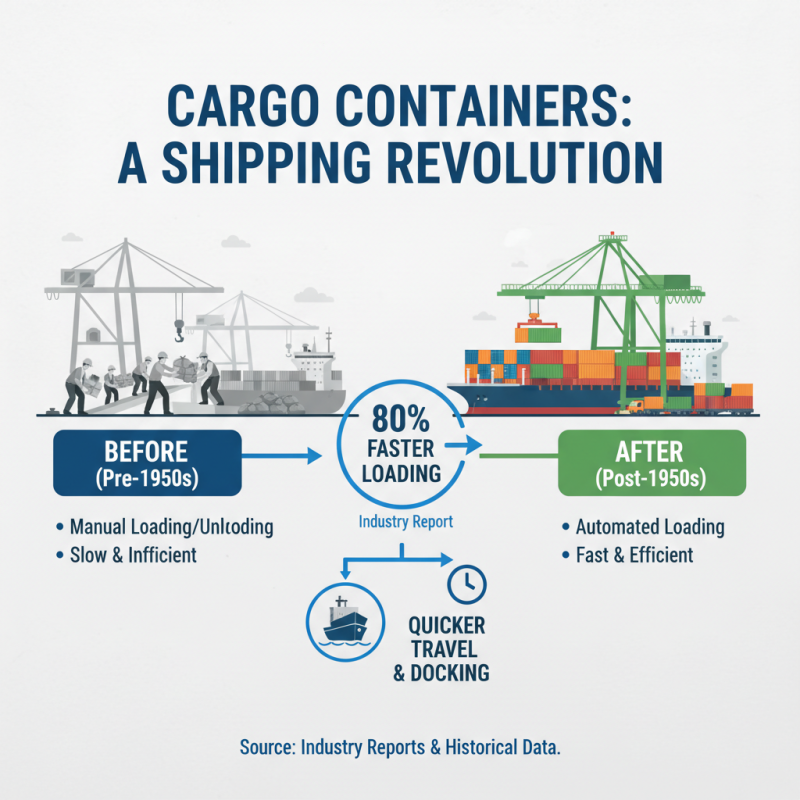
The introduction of cargo containers revolutionized the shipping industry. Before their popularity, goods were often loaded and unloaded by hand. This traditional method was time-consuming and inefficient. According to industry reports, the use of containers reduced loading times by over 80%. This shift allowed ships to travel faster and dock more effectively.
In the 1950s, Malcolm McLean pioneered containerization. His vision was to transport goods more safely and quickly. By standardizing container sizes, efficiencies in port operations skyrocketed. The world trade volume multiplied due to this innovation. In fact, it’s estimated that containerized shipping has increased global trade by approximately 1,000% since its inception.
Tip: Always check the weight and dimensions of your cargo before shipping. Proper measurements can save you significant costs.
Despite its advantages, container shipping has drawbacks. The reliance on technology means disruptions can affect entire supply chains. For example, port congestion has become a critical issue. This bottleneck hinders timely deliveries. It's crucial for businesses to adapt and develop contingency plans.
Tip: Build flexibility into your shipping strategy. Consider multiple transport options to mitigate delays.
Key Specifications of Cargo Containers: Dimensions, Capacity, and Weight Limits
Cargo containers are essential in modern shipping. They come in various dimensions, which can impact transport efficiency. Standard sizes include 20-foot and 40-foot containers. The 20-foot container usually has a capacity of about 33 cubic meters. The 40-foot container offers around 67 cubic meters of space. Knowing the size matters for your logistics.
Weight limits are crucial for shipping containers. A standard 20-foot container has a maximum gross weight of about 24,000 kilograms. The 40-foot version can handle up to 30,480 kilograms. Overweight containers can cause issues at ports. They may delay loading and increase costs. Always check your cargo’s weight before shipping.
Tips: Always measure your cargo accurately. It helps in selecting the right container. Consider using additional packing materials to maximize space without exceeding weight limits. Be aware of possible damages during transit. Containers should be sealed properly to avoid losses.
The Role of Cargo Containers in Global Supply Chain and Trade Efficiency
Cargo containers are vital for the global supply chain. They enable the efficient transportation of goods across vast distances. These metal boxes can hold various products, from electronics to food. Their standard sizes simplify loading and unloading processes. This uniformity helps ports operate more smoothly.
In today's economy, trade efficiency relies heavily on these containers. They are designed to stack easily, saving space on ships and at terminals. However, the reliance on cargo containers can lead to challenges. Delays in port logistics and container shortages can disrupt the supply chain. Each delay impacts businesses and consumers alike.
Moreover, while cargo containers help move goods swiftly, not all containers are used efficiently. Some sit idle at ports, representing lost opportunities. Identifying these inefficiencies is essential for improvement. The balance of supply and demand in the shipping industry remains a constant struggle. Every shipment tells a story, revealing the complexities of international trade.
What is a Cargo Container and How is it Used in Shipping? - The Role of Cargo Containers in Global Supply Chain and Trade Efficiency
| Container Type |
Dimensions (L x W x H) |
Weight Limit (kg) |
Typical Use |
| Standard Dry Container |
20' x 8' x 8.5' |
22,500 |
General cargo |
| Standard Dry Container |
40' x 8' x 8.5' |
30,480 |
General cargo |
| Refrigerated Container |
20' x 8' x 8.5' |
22,500 |
Perishable goods |
| Refrigerated Container |
40' x 8' x 8.5' |
30,480 |
Perishable goods |
| Open Top Container |
20' x 8' x 8.5' |
22,500 |
Heavy machinery |
| Flat Rack Container |
40' x 8' x 2.5' |
30,480 |
Large freight |
Environmental Impact of Cargo Containers: Sustainability in Shipping Practices
Cargo containers revolutionized global shipping, allowing efficient transport of goods. However, their ecological footprint raises concerns. Each container ship emits significant greenhouse gases. According to a 2022 report from the International Maritime Organization, shipping accounts for nearly 3% of global CO2 emissions.
Traditionally, containers are made from steel, which is energy-intensive to produce. Recycling efforts exist, but the industry still struggles with waste management. A 2021 study highlighted that approximately 30% of retired containers are not reused or recycled properly. This could worsen environmental degradation.
Tips: Consider using more sustainable materials for containers. Look for ways to increase recycling rates within the shipping industry.
Shifting to more eco-friendly shipping practices is crucial. Some companies explore biodegradable materials for container construction. Transitioning to greener solutions can reduce environmental impact. It’s a complex challenge, but necessary for sustainable shipping.
Tips: Staying informed about innovations in sustainable shipping can guide better practices. Engage with companies prioritizing eco-friendly actions.