Why Are Cargo Shipping Containers Essential for Global Trade?
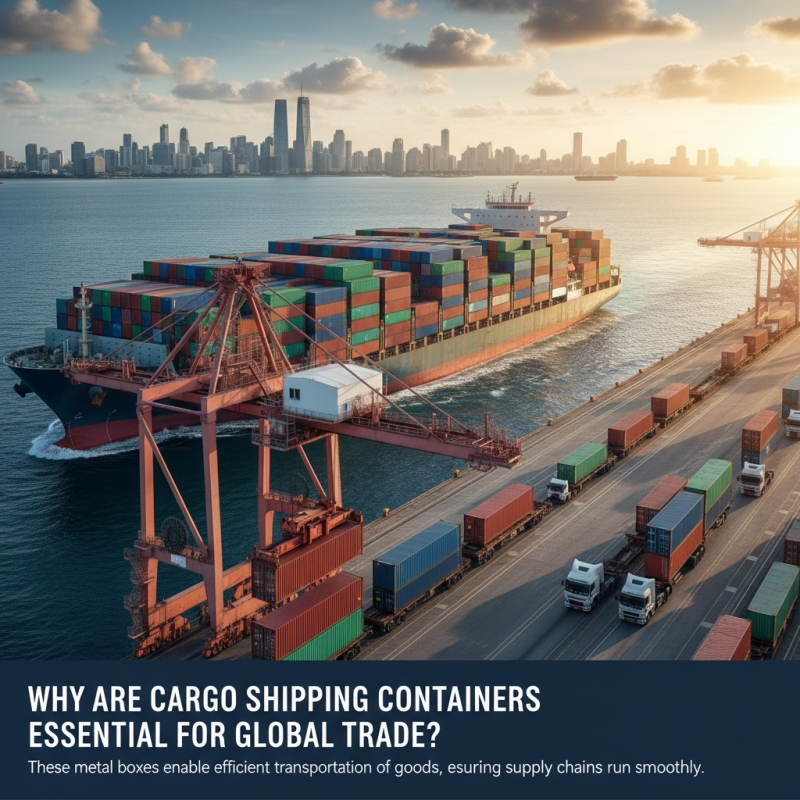
In today’s interconnected world, cargo shipping containers play a crucial role in global trade. These metal boxes enable efficient transportation of goods, ensuring supply chains run smoothly. According to Dr. Emily Tran, a leading expert in logistics, "Without cargo shipping containers, our modern economy would struggle to thrive."
Cargo shipping containers are versatile and designed to withstand harsh conditions. They can be transported by ships, trucks, and trains, making them essential for international commerce. However, the industry faces challenges. Some containers are often mishandled or not used efficiently. This leads to waste and increased costs. Dr. Tran emphasizes the need for better management practices to optimize their use.
Moreover, the ever-growing demand for cargo shipping containers highlights issues of sustainability. The environmental impact of global shipping is significant. As the industry evolves, it’s important to reflect on how we can improve. Cargo shipping containers are vital, but we must address their role in a responsible manner.
The Role of Cargo Shipping Containers in Facilitating Trade
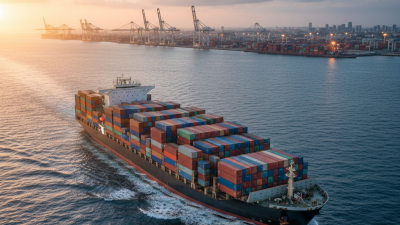
Cargo shipping containers are pivotal in modern trade. These standardized boxes have revolutionized the way goods are transported globally. They streamline the loading and unloading process, ensuring quick turnarounds at ports. With uniform sizes, they fit perfectly onto ships, trains, and trucks. However, their efficiency is often hampered by handling errors or misplacements.
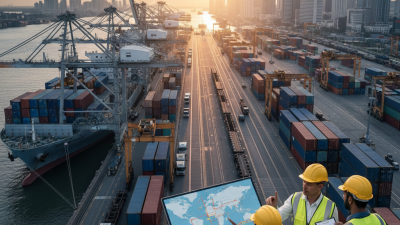
In bustling ports, containers can pile up. Sometimes, they block access to vital shipping routes. This creates delays that ripple through supply chains. Ships might sit idly, waiting for cargo to be sorted out. The problem isn't just logistical; it affects economies worldwide. Countries heavily reliant on exports might struggle due to these inefficiencies.
Yet, the adaptability of containers is commendable. They can carry anything from electronics to food. Creative uses are emerging, like converting them into temporary housing. This innovation reflects the ongoing evolution in trade. However, such solutions also spark debates about sustainability. Are these shipping methods truly eco-friendly? The impacts are complex and warrant discussion.
Global Trade Volume by Shipping Method (2022)
Standardization and Efficiency of Shipping Containers
Shipping containers have revolutionized global trade. Their standardization has created a streamlined process for transporting goods. These metal boxes come in specific sizes, which makes loading and unloading efficient. Ports can handle large volumes more easily. This efficiency reduces costs and time for businesses.
For those involved in logistics, understanding container sizes is crucial. Standard dimensions, like 20-foot or 40-foot containers, facilitate better planning. When shipping, consider the weight limits. Overloading can lead to delays or damages. Keep communication open with suppliers and customers to avoid misunderstandings.
Tip: Always measure your cargo before shipping. Accurate measurements ensure you select the right container size. This reduces the risk of additional fees. Make use of available resources for planning your shipments. Understanding basic logistics can save time and money. Shipping containers may seem simple, but their impact is profound. Reflecting on this can lead to better decisions.
Impact of Shipping Containers on Global Supply Chains
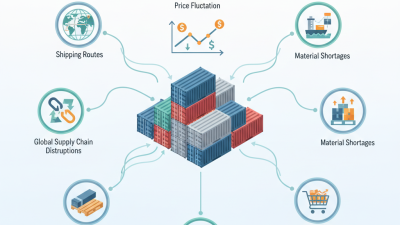
Shipping containers have revolutionized global supply chains. They allow for standardized, efficient transport of goods across vast distances. This uniformity minimizes the risk of damage and streamlines handling at ports. With over 90% of international trade carried by sea, the role of containers cannot be overstated. They serve as a mobile storage unit and protect cargo from the elements.
Tips: Consider the journey of a single container. It starts on a truck or train, travels across oceans, and arrives at warehouses. Each step depends on precise coordination. However, disruptions can occur due to port congestion, adverse weather, or logistical errors. Businesses must remain adaptable.
Moreover, shipping containers contribute to sustainability in trade. They reduce carbon footprints by optimizing space on ships and enabling more efficient logistics. But the reliance on these containers can be a double-edged sword. If not managed well, the system can lead to overcrowding and delays. Companies should regularly assess their supply chain strategies to adapt to changing global demands.
Environmental Benefits of Using Cargo Shipping Containers
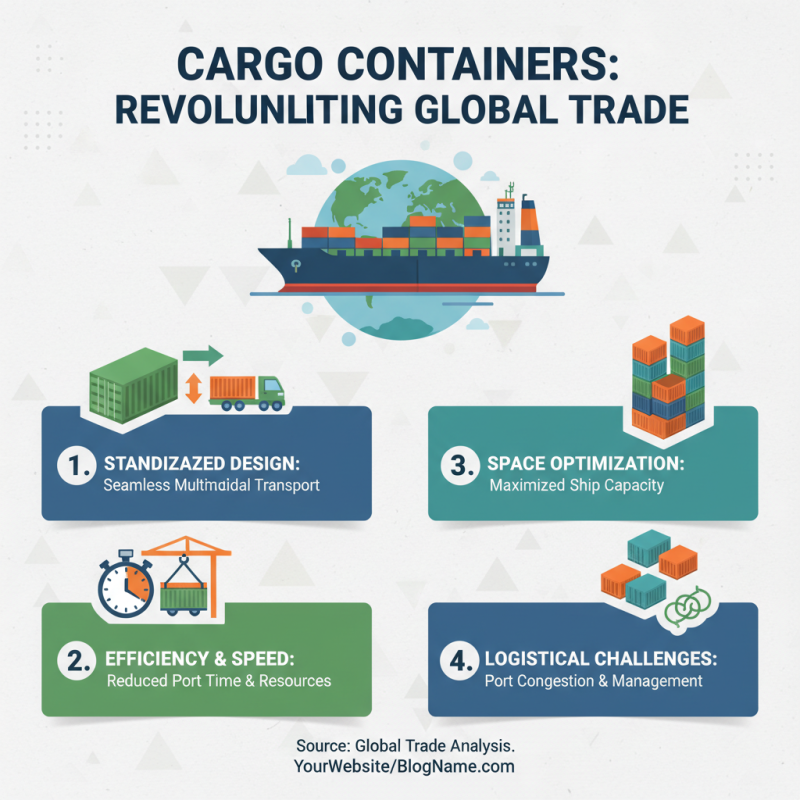
Cargo shipping containers have transformed global trade. They provide an efficient solution for transporting goods. Their design is standardized, making handling easy for different modes of transport. This standardization reduces the time and resources needed at ports. Containers stack neatly on ships, maximizing space utilization. However, this efficiency sometimes leads to overcrowded ports and logistical challenges.
The environmental benefits are significant. Shipping containers minimize carbon emissions compared to traditional transport methods. They support the movement of bulk goods over long distances. This reduces the number of trips required, further lowering pollution levels. Yet, the issue of empty containers arises. Many are left idling at ports. This waste can negate some environmental advantages.
Despite their advantages, containers are not a perfect solution. Manufacturing these units consumes resources. There are concerns about waste and disposal at the end of their life cycle. Balancing efficiency and sustainability is essential. As global trade evolves, so must the practices surrounding cargo shipping containers. The path forward requires innovation and reflection.
Future Innovations in Cargo Shipping Container Design
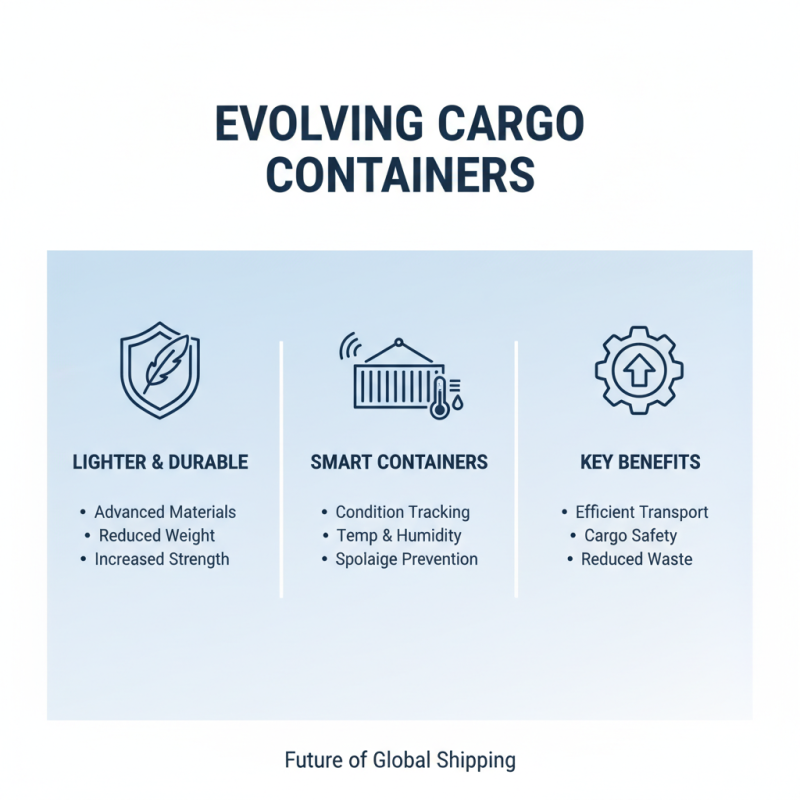
The design of cargo shipping containers is evolving rapidly. With advancements in materials, we see containers that are lighter yet more durable. Innovations like smart containers are emerging as well. These containers can track conditions like temperature and humidity. It helps in preventing spoilage of sensitive goods.
However, challenges remain. Some designs may not address every issue in logistics. For instance, securing cargo can sometimes be inadequate. This could lead to damages during transport. Also, while automated systems seem efficient, they require significant investment. Not every port can upgrade its infrastructure swiftly.
Sustainability is a critical focus for future designs. Using recyclable materials is a step forward. Still, the environmental footprint of manufacturing should be considered. As businesses push for greener options, the balance between cost and sustainability needs reflection. New ideas must come with better planning and a holistic view.