China Best Container Tracking How to Track Your Container?
Moving a container from Shanghai to Rotterdam can involve factories, truckers, terminals, customs teams, and ocean carriers. That uncertainty costs time.
UNCTAD’s Review of Maritime Transport 2024 reports that global maritime trade grew by 2.4% in 2023. It also highlights continuing pressure from disruptions, rerouting, and capacity changes. For Chinese exporters and importers, these conditions make accurate shipment visibility more than a convenience. It supports inventory planning, customer communication, warehouse scheduling, and practical risk control.
This guide explains how to track your container using reliable shipment references. A container number, booking number, or bill of lading number usually provides the starting point. Carrier websites may show gate-in, vessel departure, transshipment, arrival, and discharge events. Freight forwarder platforms can combine these milestones with estimated arrival updates. Port systems may offer additional confirmation, especially around busy gateways such as Shanghai, Ningbo-Zhoushan, Shenzhen, and Qingdao.
The World Bank’s Logistics Performance Index 2023 identifies tracking and tracing as an important logistics capability. Better visibility can reduce avoidable phone calls and reveal delays earlier. Still, no tracking platform is perfect. Terminal updates may arrive late, and estimated arrival times can change after weather or port congestion. That limitation deserves attention.
A dependable process compares carrier data with forwarder updates, booking documents, and actual terminal milestones. Small discrepancies should not be ignored. They may reveal outdated references or misunderstood event times. With careful checking, businesses can choose China’s best container tracking approach for their routes, cargo plans, and service expectations.
Understanding Container Tracking in China
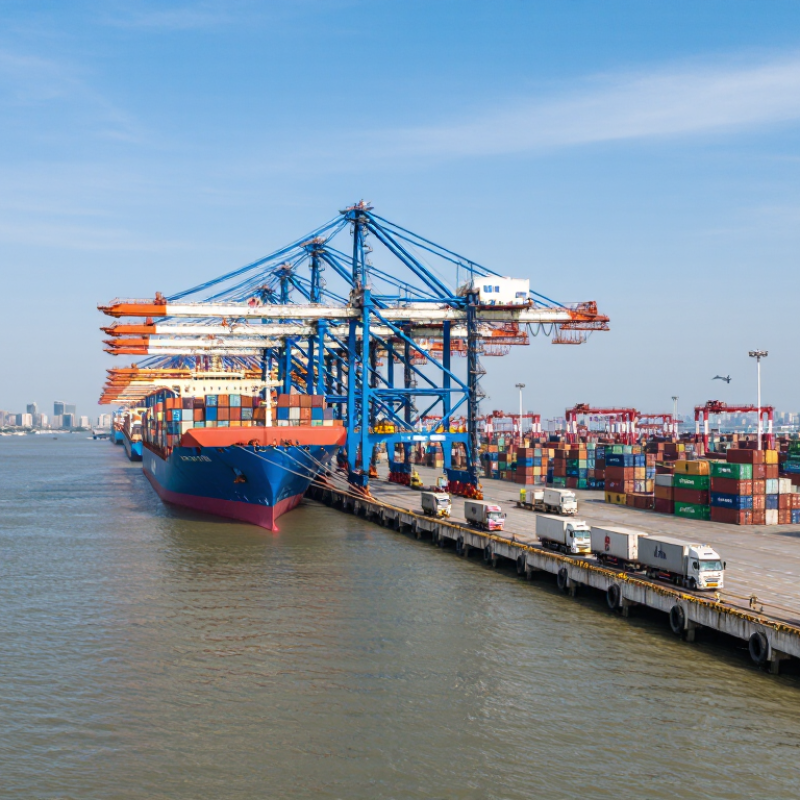
Understanding container tracking in China requires more than checking a location map. A container usually moves through booking, factory loading, gate-in, customs release, vessel departure, transshipment, and final delivery. Each event creates a timestamp. Tracking platforms collect these updates from carriers, terminals, freight forwarders, and port systems. The information can still arrive late. That is normal.
The World Bank and S&P Global’s Container Port Performance Index 2023 assessed 405 container ports worldwide using vessel turnaround data. This highlights why port visibility matters: a few hours at the terminal can change a delivery plan.
China’s major coastal ports process dense cargo flows, so users should compare gate-in records, loading confirmation, vessel departure, and estimated arrival.
A container number alone is not enough. Booking numbers and bill-of-lading references can improve accuracy.
In practice, check the container number after the factory confirms loading. Then verify the terminal’s gate-in event and the vessel’s actual departure. If the status remains unchanged for 48 hours, ask the logistics provider for a terminal or transshipment explanation.
The UNCTAD Review of Maritime Transport reports that global maritime trade reached about 12.3 billion tons in 2023. More cargo means more movement data, but not always better data. Manual updates can be missed.
Weather, port congestion, inspections, and schedule changes may also alter estimated arrival times. Treat predictions as working information, not promises.
Gathering the Details Needed to Track Your Container
China Best Container Tracking: How to Track Your Container?
Gathering the Details Needed to Track Your Container
Before opening a tracking page, gather complete shipment details. The container number is essential and usually contains four letters followed by seven digits. Check every character carefully. One wrong digit can return no result or another shipment. Keep the booking number, bill of lading number, vessel name, voyage number, loading port, and destination port nearby. These details help confirm whether a status update belongs to your cargo. UNCTAD reports that more than 80% of global trade volume moves by sea, so port delays can quickly affect inland delivery schedules.
In practice, tracking data is not always real-time. A container may leave a terminal before the system updates. Some events appear only after vessel departure or arrival. Compare the latest status with the planned sailing date and carrier-issued documents. The World Bank’s Container Port Performance Index 2023 examined container port efficiency worldwide, showing why terminal handling time can influence delivery visibility. The report also reminds us that port performance differs significantly. A tracking record is useful, but it is not perfect.
Tips: Save screenshots of each status and record the update time. Ask the logistics provider to verify unclear events. Check the seal number against the packing record. If the container shows “discharged” but no onward movement, confirm customs release and truck appointment details. Small errors happen. Reviewing the information twice is worthwhile.
How to Track Your Container Step by Step
To track your container step by step, prepare the container number, booking reference, or bill of lading number. Copy every letter and digit carefully. One wrong character can return no result. Open the official carrier or terminal tracking page. Then select the correct search field and enter your reference. The Digital Container Shipping Association’s Track and Trace standard identifies key events, including gate-in, loading, transshipment, discharge, and gate-out.
Review the latest event, location, timestamp, vessel name, and estimated arrival date. Compare the movement with your shipping documents. A vessel may arrive near the port while your container waits for discharge or customs processing. UNCTAD’s Review of Maritime Transport 2024 states that over 80% of global merchandise trade by volume moves by sea. This scale explains why schedules can change quickly. If the status remains unchanged for 48 to 72 hours, contact the freight coordinator or terminal with your container number. Ask for the last physical scan, not only a revised estimate. No tracking method is perfect.
Tips: Save screenshots of every major update. Record the time zone. Check the portal once daily, rather than every hour. Use the container number as your main reference. Booking references can change during transfers. Also, compare the estimated arrival with the delivery appointment. I would not trust a single “in transit” label without a recent timestamp. Delays are sometimes hidden by vague wording. A clear event history is more useful than a promising date.
How to Track Your Container Step by Step
This chart shows the typical elapsed time between major container-tracking milestones in an international ocean shipment. Actual timing may vary according to the route, port congestion, customs procedures, weather, and final delivery arrangements.
Reading and Verifying Container Tracking Updates
When tracking a container from China, read each update as a time-stamped event, not a promise.
The container number should match your booking, packing list, and transport document. Check the event name carefully.
“Gate in”
means arrival at a terminal.
“Loaded”
usually means placement on a vessel.
“Discharged”
means unloading at the destination port. These terms describe different moments.
A reliable review also checks location, local time zone, vessel or voyage reference, and estimated arrival date. An estimate can move after weather, congestion, inspections, or schedule changes. Do not treat a changed date as proof of loss. Compare the tracking page with terminal notices and shipping documents. If the container appears in two places on the same day, pause and verify the time zone. Data may be delayed or entered incorrectly. That happens.
Keep screenshots with the update time and source address. This creates a useful record for logistics teams, suppliers, and customers. Ask the transport provider to confirm unclear statuses in writing. A code such as
“release,” “available,” or “customs hold”
may require different actions. Never rely on color labels alone. They are convenient, but not always precise.
My practical rule is simple: match the number, question the timing, and confirm the next physical event.
Tracking improves decisions, but it cannot replace document checks or human verification.
Handling Delayed, Missing, or Incorrect Tracking Information
China Best Container Tracking: How to Track Your Container?
Delayed, missing, or incorrect tracking information can turn a normal shipment into daily guesswork. A container may leave the terminal, yet the tracking page still shows “gate-in.” Updates often depend on scans at ports, rail yards, and warehouses. A missed scan can create a gap of several days. This is common, but it should not be ignored.
Start by checking the container number, booking reference, and estimated arrival date against the original shipping documents. One wrong letter can display another container’s movement. Ask the carrier or freight forwarder for the last confirmed event, including its location and timestamp. Request the vessel name, voyage reference, discharge status, and next planned scan. Keep emails, screenshots, and call notes in one file. Small details matter.
When a container is late, compare the tracking history with port notices and terminal operating hours. Weather, congestion, inspection, equipment shortages, or schedule changes may explain a delay. If no update appears after the expected scan window, request a trace in writing. The result may still be incomplete. Tracking systems are not perfect. Estimated dates can change more than once. Treat every update as evidence, not a promise, until the container is physically confirmed at the next point.