China Top 10 Shipping Container Manufacturers?
China’s shipping container industry has become a critical part of global trade. Its factories produce dry containers, refrigerated units, tank containers, and specialized equipment for demanding routes. Yet choosing the top ten manufacturers requires more than checking production volume. Quality control, steel strength, welding accuracy, paint protection, delivery reliability, and after-sales support also matter.
A shipping container may look simple. It is not.
Marc Levinson, an economist and container-shipping historian, describes the container as “a simple metal box” that transformed global commerce. That simplicity creates strict expectations. A container must withstand salt spray, heavy lifting, temperature changes, and repeated handling at busy ports. Small defects can become expensive problems. A weak door seal may damage cargo. Poor flooring may limit safe use. Inconsistent dimensions can slow terminal operations.
This overview examines ten leading Chinese manufacturers through practical industry criteria. These include manufacturing experience, certification, production capacity, material selection, customization, and international service networks. It also considers whether each supplier can deliver consistent results beyond a single large order. A factory showroom can look impressive. Real performance is harder to judge.
No ranking is perfectly objective. Buyer priorities differ. A leasing company may value fleet standardization, while a logistics operator may prefer faster customization. Price can also distract from long-term costs. Cheaper equipment is not always cheaper to own. The following manufacturers represent strong candidates, but careful buyers should still verify factory audits, test reports, warranty terms, and recent customer feedback before signing contracts.
How ISO 668 and TEU Metrics Define the Shipping Container Market
China’s Shipping Container Market: ISO 668 and TEU Metrics
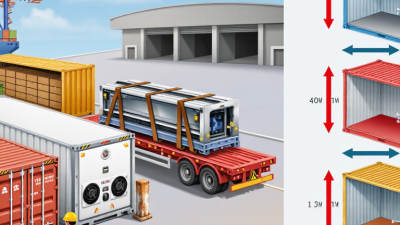
ISO 668:2020 provides the standard dimensions and ratings for Series 1 freight containers. A standard 20-foot unit measures about 6.058 metres externally; a 40-foot unit measures about 12.192 metres. Both are typically 2.438 metres wide. These shared dimensions let ports, vessels, and rail terminals handle containers with compatible equipment. Small details matter: corner fittings must align with lifting gear, while door openings and internal space can vary.
1
20-foot container = one TEU
2
40-foot container = two TEUs
858.6 million
global container port throughput in 2023
TEU, or twenty-foot equivalent unit, converts capacity into a common measure. A 20-foot container equals one TEU; a 40-foot container equals two. The number helps compare vessel capacity, terminal throughput, and market activity. UNCTAD’s Review of Maritime Transport 2024 reported global container port throughput of 858.6 million TEUs in 2023, up 2.4 percent from 2022. That scale helps explain why manufacturers compete on consistent dimensions and production capacity, not just unit price.
A caveat:
TEU measures capacity, not usable volume or the number of physical boxes. It can mislead. A yard may count a 40-foot container as two TEUs, even though it occupies one slot. Payload limits, container type, and cargo mix also affect real-world use. ISO dimensions create a common baseline, but buyers still need to check ratings and specifications. Standardization is useful, not perfect.
China’s Share of Global Container Production: Industry Estimates Exceed 95%
Industry estimates place China’s share of global shipping container production above 95%. That is enormous. The figure reflects the concentration of factory capacity, suppliers, and export logistics in one country. It should be treated as an industry estimate, not a precise count of every container made worldwide.
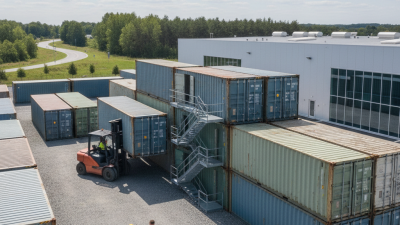
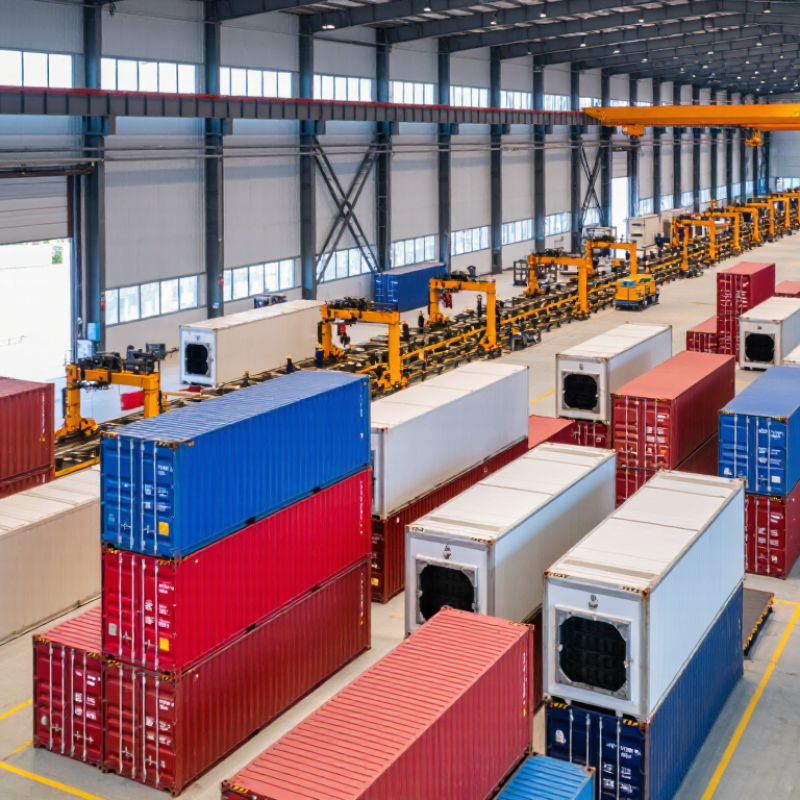
The scale is visible on a factory floor: steel sheets are cut, corrugated, welded into panels, and coated against corrosion. Nearby suppliers can provide flooring, doors, locking bars, and paint, while established ports help move finished units to customers. This connected production base supports high output and shorter supply chains. But capacity alone does not guarantee consistent quality.
The percentage can vary depending on what is counted, including container types, production periods, and reporting methods. Buyers should compare specifications, inspection records, coating details, and delivery schedules rather than rely on a headline share. Even a well-organized industry can have uneven results. That deserves a closer look. Factory audits and sample checks can reveal practical differences that broad market estimates cannot.
Top 10 Chinese Manufacturers Compared by Annual Output and TEU Capacity
Comparing China’s leading container manufacturers requires separating annual output from rated TEU capacity. Output measures boxes actually produced during a year; capacity describes potential production under stated operating conditions. They are not interchangeable. Drewry’s Container Census 2024 estimated the global container fleet at about 50.9 million TEU in 2023. That figure is fleet stock, not annual factory output—a distinction worth keeping clear.
A credible top-ten comparison should report each manufacturer’s annual output in TEU, installed capacity, reporting year, and product mix. A 40-foot container counts as two TEU, while a 20-foot container counts as one. Dry boxes, refrigerated units, and specialty equipment also require separate treatment. Public disclosures do not always use the same definitions, so apparently precise rankings can mislead. Check whether figures describe actual production or nameplate capacity. Check the year, too. A factory’s rated capacity may exceed its practical output when orders, labor, or materials fluctuate. These caveats matter; the numbers alone do not tell the whole story.
How Certifications, Export Reach, and Production Data Shape Manufacturer Rankings
China’s container manufacturers should not be ranked by factory size alone. A useful comparison starts with certifications: what standard was verified, which facility it covers, and whether the certificate remains valid. A document on a website is not enough. Buyers should check its scope and match it to the container type being assessed.
Export reach also needs evidence. Shipping records, delivery regions, and repeat orders can show whether a manufacturer handles international logistics consistently. Production data matters just as much. Annual capacity describes potential; actual output, lead times, and defect rates reveal more about day-to-day performance. For example, a plant may report high capacity but struggle to meet a seasonal delivery window. Ask how the figures were measured. Small details matter.
A fair ranking combines these signals rather than treating any one as proof of quality. Independent audits and dated production records make comparisons more dependable. Still, public data is uneven, and export totals may not distinguish container types. That leaves some uncertainty. A careful buyer should compare recent evidence, verify claims directly, and note where information is missing. Even a well-built ranking has limits.
Shipping Container Manufacturer Rankings: A Standards-Based Baseline
Standard external lengths provide a factual reference point when comparing container production data.
The chart shows nominal external lengths for common ISO Series 1 container sizes: 6,058 mm for a 20-foot container and 12,192 mm for a 40-foot container. These specifications are a useful baseline, but do not rank manufacturers. A robust comparison also requires verifiable certification records, export-market evidence, and comparable production figures. Dimension reference: ISO 668.