


Is Your Container Ready?

Get In Contact With Us Today

Is Your Container Ready?

Get In Contact With Us Today

What Are China Top Fresh Fruit Export Packaging Solutions?

China’s fresh fruit trade depends on packaging that protects quality from orchard to overseas retailer. FAO’s The State of Food and Agriculture 2019 estimates that 14% of food is lost between harvest and wholesale. Fresh fruit is especially vulnerable to bruising, moisture loss, mold, and temperature changes. These risks make Fresh Fruit Export Packaging Solutions a logistics decision, not merely a design choice.

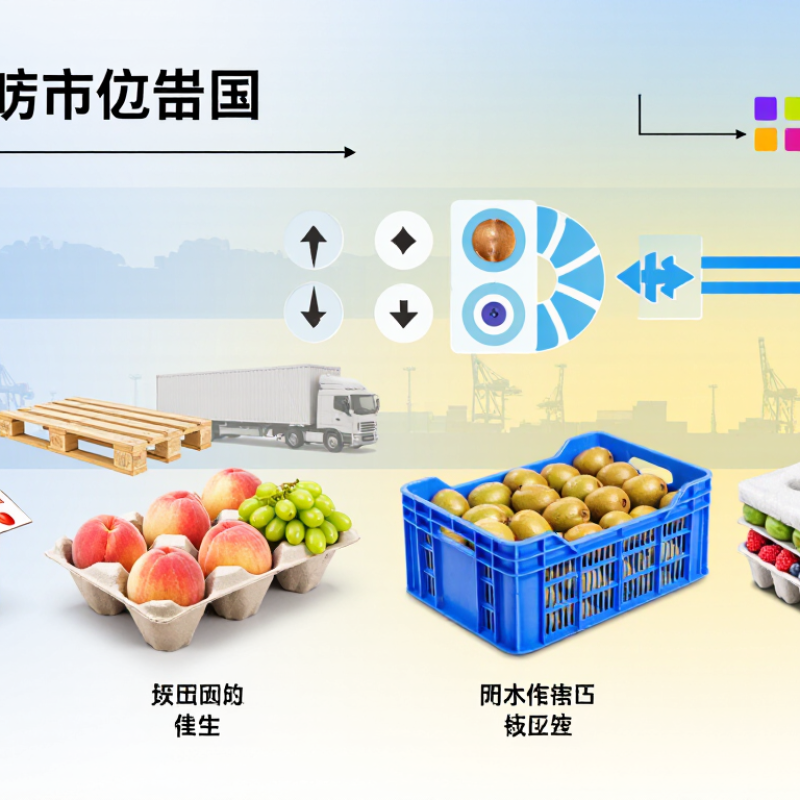
China’s leading options include ventilated corrugated cartons, molded-pulp trays, reusable plastic crates, and fiber-based cushioning. Each format serves a different fruit and route. Cartons can be printed for traceability and stacked efficiently. Molded pulp separates delicate peaches, pears, and table grapes. Reusable crates suit controlled, repeated distribution networks. Perforations must match cooling needs. Too few openings trap heat. Too many weaken protection.

Cold-chain evidence matters. The FAO and WHO identify temperature control as essential for maintaining food quality and safety. The Global Cold Chain Alliance also emphasizes pre-cooling, airflow, and uninterrupted refrigerated handling. Packaging cannot repair poor refrigeration. It only supports it. China’s export teams should test compression strength, drop resistance, ventilation, humidity tolerance, and pallet stability before shipment. ASTM and ISO testing methods can improve consistency, though laboratory results may not fully reflect rough port handling. That gap deserves attention. A package that performs well in a warehouse may fail after condensation, vibration, and repeated loading. The most reliable approach combines fruit-specific design, verified materials, practical trials, and documented cold-chain procedures. Cost matters, but a cheaper box can create larger losses through bruising and rejected cargo.
What Are China Top Fresh Fruit Export Packaging Solutions?

Key Requirements for Fresh Fruit Export Packaging in China

Fresh fruit export packaging in China must protect quality from the orchard to overseas cold storage. Temperature control is essential. Packaging should resist compression, moisture, vibration, and sudden handling changes. Ventilation holes help remove field heat and reduce condensation. However, oversized openings can weaken cartons and expose fruit to bruising. Each fruit type needs testing. Firm apples and soft berries cannot share one design. Exporters should confirm carton strength, pallet stability, and inner cushioning under real transport conditions. A package may look strong in a warehouse. It may fail after several days at sea.

Cleanliness and traceability also matter. Use food-contact-safe materials with consistent quality and low odor. Labels should remain readable after refrigeration and humidity exposure. They should show product details, origin, pack date, lot information, and handling instructions where required. Moisture-resistant labels help inspectors and warehouse teams work accurately. Packaging dimensions should fit standard pallets, while weight must support safe manual and mechanical handling. Do not rely only on supplier claims. Request test records, inspect samples, and repeat trials during seasonal changes. A small design flaw can spread across thousands of boxes.

Tips: Pre-cool fruit before loading, but avoid sealing warm produce inside cartons. Leave airflow channels between cartons and keep pallet wrap from blocking vents. Use corner protection for long routes. Check temperature loggers at arrival. Photos help. Review damaged fruit by location, layer, and handling stage. This turns complaints into evidence. Packaging decisions are rarely perfect; field feedback should change the next shipment.

Common Packaging Materials and Container Types

China’s top fresh fruit export packaging solutions begin with selecting materials for moisture, impact, and airflow. Corrugated fiberboard cartons remain widely used because they are light, stackable, and printable. Vent holes help release field heat and maintain air circulation. However, weak cartons can soften during long sea journeys.

Molded pulp trays protect peaches, pears, and other delicate fruit from bruising. Plastic clamshells offer visibility and portion control, but they create more disposal concerns. Food-grade liners can reduce moisture loss, while absorbent pads help manage condensation. Wooden pallets provide stable handling, although their quality and treatment records need careful checking. Small details matter.

Tips: Match the container to the fruit and route. Standard dry containers may suit short, controlled shipments, but refrigerated containers are safer for temperature-sensitive cargo. Controlled-atmosphere containers can slow ripening when properly monitored. Use corner posts and stretch wrapping for taller loads. Leave enough space for ventilation. Overpacking looks efficient, yet it may crush the bottom layers.

Exporters should test packaging under realistic vibration, stacking, and humidity conditions. A carton that performs well in a warehouse may fail after several days at sea. Temperature data loggers can reveal hidden problems during transit. Packaging is not perfect. A practical design balances protection, cost, recyclability, and packing speed. Worker handling also deserves attention. Difficult cartons often lead to rushed loading and avoidable damage.

What Are China Top Fresh Fruit Export Packaging Solutions? - Common Packaging Materials and Container Types
Packaging Material or Container Typical Format Suitable Fresh Fruits Main Protection Function Ventilation and Moisture Features Export Advantages Key Limitations
Corrugated Fiberboard Ventilated carton Tray carton Telescopic box Apples, pears, citrus, grapes, stone fruit and kiwifruit Provides stacking strength and protects fruit from impact during handling and transport. Vent holes can support airflow and help remove field heat; moisture-resistant coatings may be used when condensation is expected. Lightweight, printable, recyclable through established paper-recycling streams, and efficient for palletized ocean or air shipments. Strength decreases when the board becomes wet; excessive stacking or poor pallet loading can cause compression damage.
Molded Pulp Fruit tray Cell divider Cushion insert Apples, pears, peaches, plums, nectarines and other easily bruised fruit Separates individual pieces and reduces movement, abrasion and point impact. Porous structure can allow airflow; it can be combined with a ventilated outer carton for better cooling performance. Made mainly from recovered paper fiber, lightweight and suitable for molded cavities that match fruit size. Can soften or lose rigidity under prolonged high humidity; custom tooling may be required for different fruit sizes.
Rigid Plastic Clamshell Small retail pack Hinged container Strawberries, blueberries, raspberries, cherries and small tomatoes Protects delicate fruit from crushing and limits direct contact during retail handling. Perforations or vents help manage airflow; drainage openings can reduce the accumulation of free moisture. Good product visibility, consistent dimensions and convenient unitization for retail-ready shipments. Higher material use than lightweight films; poor vent design or sealed wet fruit can increase condensation and decay risk.
Plastic Punnets and Trays Open punnet Lidded tray Flow-pack tray Grapes, berries, cherries, cherry tomatoes and sliced-ready fruit Creates portion-sized support and limits compression when placed inside a master carton. Ventilation can be provided by side openings, top vents or a perforated overwrap. Stable shape, accurate pack weights and easy visual inspection; suitable for mixed pallet configurations. Plastic type and local recycling infrastructure must be considered; rigid packs can occupy more empty volume in return logistics.
Wooden Crates Slatted crate Open-top crate Export case Stone fruit, citrus, melons, apples and selected specialty fruits Offers high rigidity and protects against stacking loads in demanding handling conditions. Slatted construction provides natural airflow; ventilation should remain unobstructed during palletization. Strong, reusable in suitable supply chains and appropriate for heavier fruit or longer handling cycles. Heavier than fiberboard, may require more storage space, and wood packaging used in international trade may need treatment and compliance documentation.
Reusable Plastic Crates Ventilated crate Nestable crate Collapsible crate Apples, pears, citrus, melons, stone fruit and vegetables shipped through repeat logistics networks Resists compression, puncture and repeated handling; smooth internal surfaces can reduce abrasion when properly designed. Large ventilation openings support forced-air cooling and cold-chain airflow; washable surfaces assist hygiene control. Durable, stackable and reusable, with potential to reduce single-use packaging in closed-loop distribution systems. Higher initial cost and reverse-logistics requirements; crates must be cleaned and inspected between uses.
Plastic Liners and Bags Perforated liner Modified-atmosphere bag Moisture liner Table grapes, cherries, berries, leafy produce and fruits sensitive to water loss Helps reduce moisture loss, shriveling and surface dehydration during refrigerated transport. Microperforation regulates gas exchange and moisture; film selection must match fruit respiration and shipment duration. Low weight, flexible format and useful for maintaining humidity inside cartons or clamshells. Incorrect film permeability or insufficient ventilation can promote condensation, anaerobic conditions and decay.
Paperboard Punnets and Cartons Folding carton Paper tray Windowed pack Berries, cherries, grapes and premium retail fruit portions Provides a lightweight support structure and limits handling of individual fruit units. Die-cut vents and breathable paper-based components can improve airflow; moisture-resistant treatments may be required. Low shipping weight, good printability and compatibility with retail presentation and paper-based recycling systems. Paperboard can deform when exposed to high humidity; coatings, windows and mixed materials may affect recyclability.
Pallet, Slip Sheet and Corner Protection System Wood pallet Plastic pallet Slip sheet Edge protector Most palletized fresh-fruit export shipments Stabilizes cartons, distributes load pressure and reduces shifting, corner collapse and handling damage. Correct pallet pattern must preserve carton vents; stretch film should secure the load without blocking necessary airflow. Improves warehouse handling, container utilization and load stability across road, ocean and air transport. Excessive wrapping or poor pallet patterns can restrict cooling; pallet dimensions and treatment requirements vary by destination.
Refrigerated Intermodal Container Pre-cooled reefer Controlled-airflow container Long-distance shipments of citrus, apples, pears, grapes, berries, stone fruit and other temperature-sensitive produce Maintains a controlled temperature during transport and helps slow respiration, ripening and quality loss. Requires compatible carton vent alignment, adequate airflow channels and continuous temperature monitoring. Supports cold-chain transport over international distances and can provide controlled-atmosphere or humidity-management options when available. It is not a substitute for rapid pre-cooling or correct packaging; temperature abuse, blocked airflow or poor loading can still cause condensation and decay.

Packaging Solutions for Different Fresh Fruit Categories

What Are China Top Fresh Fruit Export Packaging Solutions?

Packaging Solutions for Different Fresh Fruit Categories

Fresh fruit needs packaging matched to its biology, not just its destination. FAO’s Food Loss Index reports that 13.2% of food was lost globally between harvest and retail in 2021. Export packaging can reduce damage, but it cannot repair poor harvesting or weak cold-chain control.

Berries need small ventilated trays with firm lids. Their delicate skins bruise under pressure, while trapped moisture encourages mold. Stone fruit benefits from molded pulp inserts and shock-absorbing cartons. These structures separate peaches, plums, and cherries during long transport. Citrus usually requires breathable corrugated cartons or mesh bags. Ventilation helps release heat and moisture after packing.

Tropical fruits demand stronger protection. Mangoes and avocados need cushioned trays, airflow openings, and carefully controlled stacking. Pineapples need rigid cartons with reinforced corners.

Apples and pears often use fiber trays, carton dividers, and temperature-sensitive liners. Packaging engineers should also consider pallet height, humidity, and inspection access.

The UNEP Food Waste Index Report 2024 estimates that 1.05 billion tonnes of food were wasted in 2022. This figure shows why packaging design deserves practical testing. However, more material is not always better. Excess plastic can increase waste and complicate recycling. A weak point remains: one package rarely suits every route, climate, or fruit maturity. Exporters should test compression, vibration, condensation, and opening performance before large-scale shipment.

Cold Chain, Ventilation, and Moisture Control

China’s fresh fruit export packaging must protect quality from orchard to overseas market. In practice, the carton is only one part of a moving cold-chain system. Pre-cooling removes field heat before loading and slows respiration during transit. A stable product temperature matters more than a cold truck alone. For many fruits, temperature records should be checked at harvest, loading, port transfer, and arrival. Small gaps become expensive.

Ventilation needs to match the fruit, package geometry, and transport duration. Air channels should remain open around cartons, rather than being blocked by tight stacking. Perforations help cold air reach the center of a pallet, where heat often lingers. Too much airflow can increase water loss and bruising, especially in delicate produce. Too little airflow creates warm pockets and accelerates decay. A practical design uses test shipments, pulp-temperature probes, and visible airflow paths. The packaging plan should be validated under real loading conditions, not only in a warehouse trial.

Moisture control is less simple than adding a liner. Condensation forms when warm fruit meets a cold package surface. Absorbent pads, breathable films, and drainage space can reduce free water. Yet excessive dryness causes shriveling and weight loss. Humidity targets should follow the crop’s physiology and export route. I have seen well-ventilated cartons fail when wet produce entered the box. That mistake deserves review. No packaging plan is perfect. Temperature swings, delayed loading, and uneven pallet stacking still require attention.

Export Standards, Labeling, and Quality Protection

What Are China Top Fresh Fruit Export Packaging Solutions?

China’s fresh fruit exports need packaging that protects appearance, traceability, and shelf life. Ventilated corrugated cartons support airflow during refrigerated transport. Molded pulp trays can reduce bruising around delicate fruit. Moisture-resistant liners help when condensation forms after temperature changes. However, packaging cannot repair weak cold-chain management.

FAO reports that about 14% of food is lost between harvest and wholesale worldwide. Fresh fruit is especially vulnerable to pressure, heat, and handling delays. Export cartons should match fruit weight, stacking height, and expected transit time. Labels should show the product name, country of origin, packer or dispatcher details, lot code, net contents, and handling information where required. Codex labeling principles and destination-market rules should guide the final artwork. If wood packaging is used, ISPM 15 treatment and marking requirements also matter. A perfect carton still fails if the label is unreadable.

Tips: Use water-resistant ink and place labels on two visible sides. Add a scannable lot code for rapid recall checks. Record pulp temperature before loading, then review data logger results after arrival. Do not assume one carton fits every cultivar. In practice, exporters sometimes overpack fruit, increasing cost and waste. A smaller pilot shipment can reveal weak corners, poor ventilation, or label damage before full-scale distribution. UNEP’s Food Waste Index 2024 estimated 1.05 billion tonnes of food waste in 2022, reminding exporters that protection and material efficiency must be considered together.

Article Source:

Call Now Button