Why Choose a Gate Valve for Your Piping System?
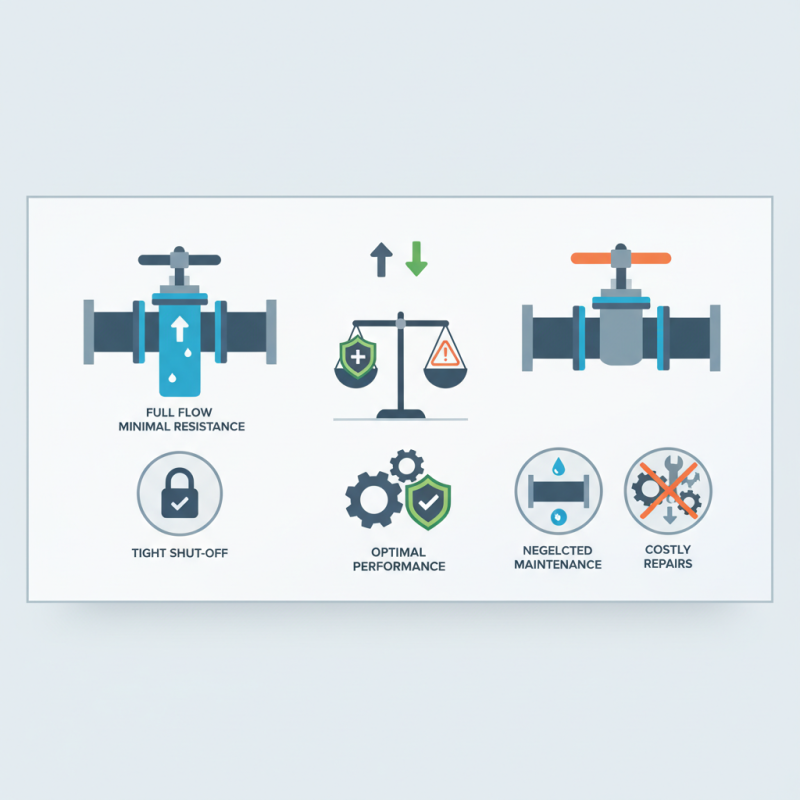
In industrial piping systems, choosing the right valve is crucial. One popular option is the Gate Valve. A gate valve provides effective flow control with minimal resistance. It is ideal for applications requiring tight shut-off and full flow. However, this type of valve is not without its challenges.
Gate valves need careful consideration during installation. They require proper alignment to function effectively. If misaligned, they may leak or not close fully. Additionally, regular maintenance is essential. Neglecting maintenance can lead to significant issues over time. Many users underestimate this aspect, resulting in costly repairs or replacements.
The gate valve offers several advantages, yet drawbacks exist. Understanding these factors is vital. Users must weigh the benefits against potential downsides. This ensures the right choice for their piping systems. By doing so, they can achieve optimal performance while minimizing risks.
Understanding the Functionality of Gate Valves in Piping Systems
Gate valves play a crucial role in piping systems. They control fluid flow smoothly, mainly when fully opened or closed. This design minimizes turbulence and energy loss, ensuring efficient operation. Gate valves are ideal for applications requiring infrequent adjustments. They provide a reliable seal and prevent backflow effectively.
When considering functionality, gate valves excel in offering low-pressure drop. They maintain consistent flow rates without significant resistance. However, they are not recommended for throttling. Operating a gate valve partially can cause wear and reduce lifespan. Users must be cautious, as misuse can lead to leaks. Understanding these nuances is essential for optimal performance.
The choice of materials in gate valves affects durability and suitability. Common materials include brass, stainless steel, and plastic. Each has its pros and cons. Selecting the right material depends on the application environment. Conducting thorough research helps in making informed decisions. Often, users overlook small details that can lead to bigger issues later on.
Benefits of Using Gate Valves Over Other Valve Types
Gate valves are a popular choice for many piping systems due to their unique advantages. One key benefit is their ability to provide a tight seal. According to industry research, gate valves can create a leakage rate as low as 0.01% under certain conditions. This is particularly useful in critical applications where fluid containment is essential.
Another advantage is their low flow resistance. When fully opened, gate valves offer minimal turbulence. This can lead to energy savings in long-term operations. One study highlighted that using gate valves instead of globe valves can reduce energy consumption by up to 15%.
Tip: Regular maintenance of gate valves is crucial. Periodic inspections can prevent issues. Look for signs of wear and listen for unusual sounds. You may also consider the valve's installation position to ensure proper functioning.
While gate valves have many benefits, they are not without limitations. For instance, they are not ideal for throttling flow. When partially closed, they can cause cavitation. This can damage the valve and the piping system over time. Understanding where to use gate valves versus other types is vital for optimal performance.
Tip: Always consult with industry standards or professionals when selecting valves. This ensures you make informed decisions that suit your piping system's needs.
Benefits of Using Gate Valves Over Other Valve Types
This bar chart illustrates the key benefits of using gate valves in a piping system compared to other types of valves. The ratings reflect performance metrics such as flow resistance, sealing efficiency, durability, cost-effectiveness, and design simplicity.
Ideal Applications and Industries for Gate Valves
Gate valves are an essential component in various piping systems. They are often chosen for their ability to provide a tight seal and allow for full flow when fully open. Ideal applications for gate valves include water supply systems, oil refineries, and chemical processing. Their design is beneficial in situations where minimal flow restriction is required.
In industries like power generation and wastewater treatment, gate valves play a significant role. They can handle high pressure and temperature, making them suitable for demanding environments. However, these valves may not be the best choice for frequent cycling. Their slow operation can lead to wear over time, requiring careful maintenance. Some users have noted challenges in ensuring proper sealing, especially in older systems.
Consideration should be given to the specific needs of your application. If you require quick shut-off, other valve types might be more appropriate. Gate valves excel in the open or closed positions, but their performance can vary across different scenarios. Understanding the unique requirements of your piping system is key to making the right choice.
Why Choose a Gate Valve for Your Piping System? - Ideal Applications and Industries for Gate Valves
| Application | Industry | Advantages |
| Water Supply Systems | Municipal | Durable, excellent sealing |
| Oil and Gas Transport | Petroleum | High pressure tolerance, reliable control |
| Steam Systems | Power Generation | Minimal flow resistance, robust construction |
| Chemical Processing | Chemical | Corrosion resistant materials, effective isolation |
| Irrigation Systems | Agriculture | Simple operation, long service life |
Maintenance and Inspection Best Practices for Gate Valves
Proper maintenance and inspection of gate valves are crucial for optimal performance in any piping system. Regular visual checks are necessary. Look for leaks or unusual signs of wear. Check the valve operation periodically. Ensure that it opens and closes smoothly. A valve stuck in one position can cause significant issues.
Cleaning is also important. Accumulated debris can affect seal integrity. Use an appropriate cleaner to remove any buildup. Additionally, examine the actuator and related components. They often need lubrication to function properly. Missing lubrication can lead to premature wear.
Before major changes to the system, consider evaluating the entire valve setup. Sometimes issues arise from other connected elements. Observing how the valve interacts with the entire system can reveal underlying problems. Without thorough inspection, minor issues can escalate. This creates more significant maintenance challenges later. Keeping a detailed log of inspections and repairs can provide valuable insights over time.
Cost Considerations When Selecting Gate Valves for Your System
When selecting gate valves for a piping system, cost is a critical factor. According to industry reports, the global gate valve market is expected to reach $7.8 billion by 2026, growing at a CAGR of 4.3%. This highlights an increasing demand, which can have varying implications for pricing. Prices can fluctuate based on size, material, and complexity of the valve. For instance, heavy-duty gate valves made of stainless steel can be significantly more expensive than their cast iron counterparts.
Another aspect to consider is maintenance and operational costs. Gate valves often require periodic inspections. A report from the American Water Works Association indicates that improper maintenance can lead to failures, costing companies thousands in repairs and downtime. A gate valve that seems cheaper upfront may end up being costlier when accounting for maintenance needs.
Furthermore, the choice of a gate valve can impact energy consumption. Valves that are not fully open or closed can cause pressure drops, leading to wasted energy. A study from the International Energy Agency estimates that inefficient valve usage can increase operational costs by about 15%. Thus, understanding these nuances can help in making a more economical choice.