How to Choose the Right Sea Container for Your Shipping Needs
Choosing the right sea container for your shipping needs is a crucial decision that can significantly impact the efficiency and cost-effectiveness of your logistics operations. With a variety of sea container types, sizes, and specifications available, understanding the nuances of each option is essential for ensuring that your cargo is transported safely and efficiently. Sea containers serve as the backbone of international trade, providing a standardized and secure method for moving goods across oceans.
When selecting a sea container, several factors come into play, including the nature of the cargo, the duration of the shipment, and the environmental conditions it may encounter during transit. Whether you require a standard dry container, a refrigerated container for perishable goods, or a flat-rack container for oversized items, each type has its unique advantages and considerations. By carefully assessing your shipping requirements and understanding the features of different sea containers, you can make an informed decision that optimizes your supply chain and enhances your overall shipping strategy.
Understanding Different Types of Sea Containers Available for Shipping
When it comes to shipping goods across the ocean, choosing the right sea container plays a crucial role in ensuring that your products arrive safely and efficiently. There are several types of sea containers available, each designed to accommodate different types of cargo. The most common types include standard dry containers, which are versatile and ideal for general cargo, and refrigerated containers, designed specifically for temperature-sensitive goods. Additionally, specialized containers like flat racks or open-top containers are available for oversized or heavy items that require unique handling.
**Tips:** When selecting a container, consider the nature of your goods. If you're shipping perishables, a reefer container is essential to maintain the right temperature. For bulky items, ensure you choose a flat rack that can support the weight and dimensions of your cargo.
It's also important to assess the duration of your shipment. For longer transit times, opt for containers that provide additional insulation or protection against varying environmental conditions. Always check the container's integrity before shipment, looking for any signs of damage that might compromise your cargo security.
**Tips:** Regularly inspecting your containers can save you from potential losses. Also, ensure that the chosen container aligns with your shipping schedule to avoid unnecessary delays.
How to Choose the Right Sea Container for Your Shipping Needs
| Container Type |
Dimensions (L x W x H) |
Volume (Cubic Meters) |
Max Payload (kg) |
Best For |
| 20ft Dry Container |
6.06m x 2.44m x 2.59m |
33.2 |
30,480 |
General Cargo |
| 40ft Dry Container |
12.19m x 2.44m x 2.59m |
67.7 |
26,520 |
General Cargo |
| 40ft High Cube Container |
12.19m x 2.44m x 2.89m |
76.4 |
30,480 |
General Cargo & Bulky Items |
| Reefer Container |
40ft |
66.7 |
30,480 |
Perishable Goods |
| Open Top Container |
20ft/40ft |
Capacity varies |
30,480 (40ft) |
Heavy Machinery |
Evaluating Your Shipping Requirements and Constraints
When selecting the ideal sea container for your shipping needs, it's crucial to evaluate your specific requirements and constraints. Start by assessing the type of goods you plan to ship. Different cargo forms, such as dry goods, perishables, or oversized items, require different container specifications. Ensure that the container you choose can adequately protect your items from environmental factors like humidity and temperature extremes.
Tips: Always consider potential weight restrictions and ensure that your container's capacity matches your shipping volume. It’s also wise to look into the accessibility of the shipping routes and ports, as this can significantly influence the choice of container type.
Furthermore, think about the duration of your shipment. If your cargo requires quick transit or a temperature-controlled environment, options such as reefer containers may be necessary. Plan for any logistical challenges you might face, including loading and unloading processes. Analyzing these constraints will guide you in selecting a container that not only meets your cargo specifications but also supports an efficient shipping timeline.
Tips: Keep a checklist of your shipping needs to streamline the decision-making process, and consult with shipping experts to gather insights on best practices for your specific industry requirements.
Factors to Consider When Choosing Container Size and Type
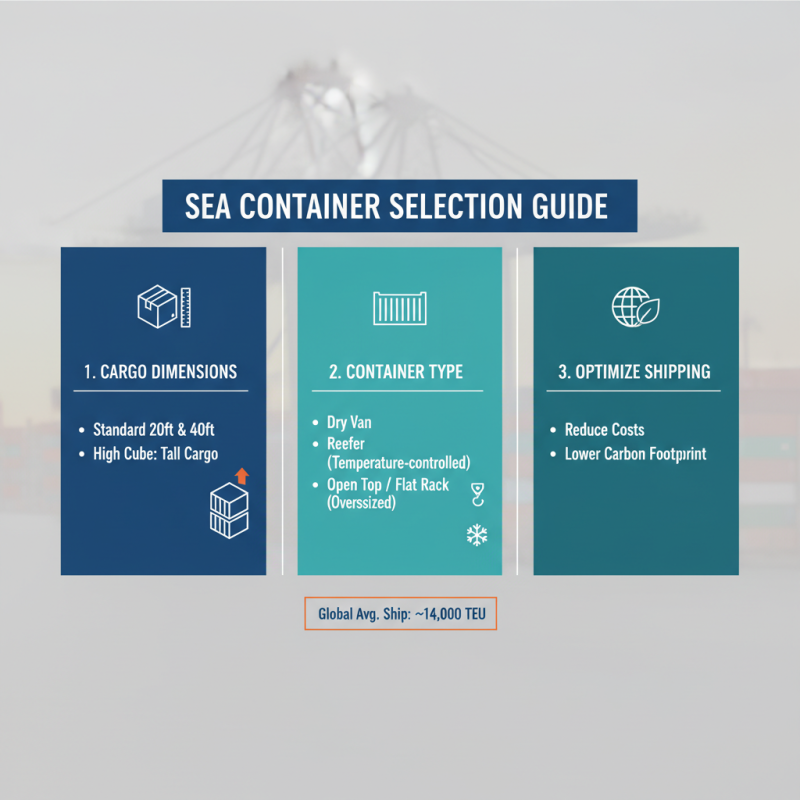
When selecting the right sea container for your shipping needs, there are several critical factors to consider regarding container size and type. One of the first considerations is the dimensions of the goods being shipped. Standard 20-foot and 40-foot containers are the most commonly used; however, options like high cube containers provide additional vertical space, making them suitable for lighter cargo with large volumes. According to the World Shipping Council, the global average container ship can carry around 14,000 TEUs (20-foot equivalent units), emphasizing the need to choose the right container size to optimize shipping costs and reduce the carbon footprint.
Another essential factor is the nature of the cargo. For instance, if you're transporting perishables, a refrigerated container, or “reefer,” is necessary to maintain the appropriate temperature during transit. On the other hand, if you're moving heavy machinery or large industrial items, a flat rack container may be the most suitable option. The International Maritime Organization reports that around 90% of the world’s trade is carried by sea, which underscores the importance of selecting a container type that aligns with your specific shipping requirements, including weight limits and environmental considerations.
Exploring Special Features and Customizations for Sea Containers
When selecting a sea container, special features and customizations can significantly enhance your shipping experience. One of the most important considerations is the type of container you require. Standard dry containers are suitable for general cargo, while refrigerated containers are necessary for perishable goods, ensuring they maintain the right temperature throughout transit. Additionally, options such as open-top containers and flat-rack containers are available for oversized cargo, providing the flexibility to transport various types of goods efficiently.
Customization is another key factor to consider when choosing a sea container. Many companies offer modifications that cater to specific shipping needs. This can include reinforced flooring for heavy loads, added insulation for temperature-sensitive items, or secure locking mechanisms to enhance safety. Furthermore, you can opt for customized branding or color schemes that not only protect your goods but also promote your business during transit. By carefully evaluating these special features and customization options, you can select the ideal sea container that aligns with your unique shipping requirements.
Comparing Costs and Services Across Shipping Container Providers
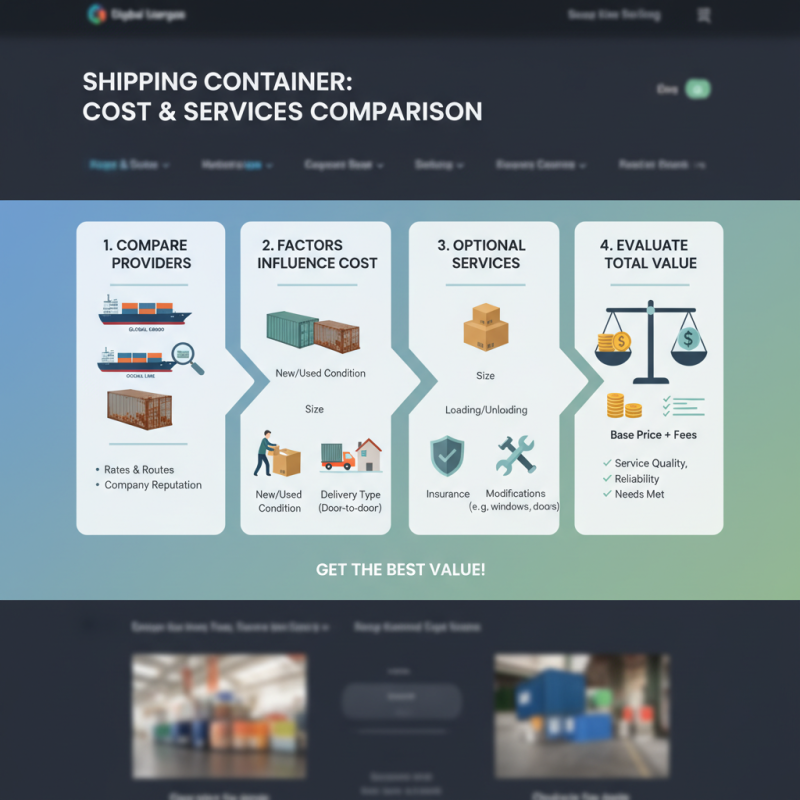
When selecting a shipping container, it is essential to compare costs and services among various providers to ensure you get the best value for your needs. Different companies offer varying pricing structures influenced by factors such as container condition (new or used), size, and the specific requirements associated with your shipment. Additionally, some providers may include optional services, such as door-to-door delivery, which can significantly affect overall costs. It is important to examine not just the base price but also any extra fees for services like loading and unloading, insurance, or modifications.
Beyond costs, understanding the service quality offered by different shipping container providers can help tailor your choice to your specific shipping needs. Look for providers that offer transparent communication, responsive customer support, and timely delivery options. Evaluate their reputation through customer reviews and testimonials to gauge satisfaction levels with both the containers and the associated services. A provider that invests in maintaining high-quality containers and prioritizes customer experience will often justify a higher price point with increased reliability, ensuring your cargo arrives safely and on time.