


Is Your Container Ready?
Get In Contact With Us Today
Is Your Container Ready?
Get In Contact With Us Today
How to Choose the Right Full Container for Your Shipping Needs?
Choosing the right full container for your shipping needs can be challenging. Industry expert John Smith emphasizes, “Selecting the proper full container is crucial for efficient transport.” With various sizes and types available, understanding your specific requirements is essential.
A full container can significantly affect shipping costs and delivery times. For instance, using an oversized container may lead to wasted space and increased expenses. In contrast, an undersized container can result in damaged goods. These outcomes highlight the importance of careful planning.
It's also vital to consider the nature of the cargo. Different goods may require specific full container types. Refrigerated containers, for instance, are necessary for perishable items. This diversity adds complexity to the decision-making process. Ultimately, ensuring your container choice aligns with both budget and needs requires thoughtful reflection.
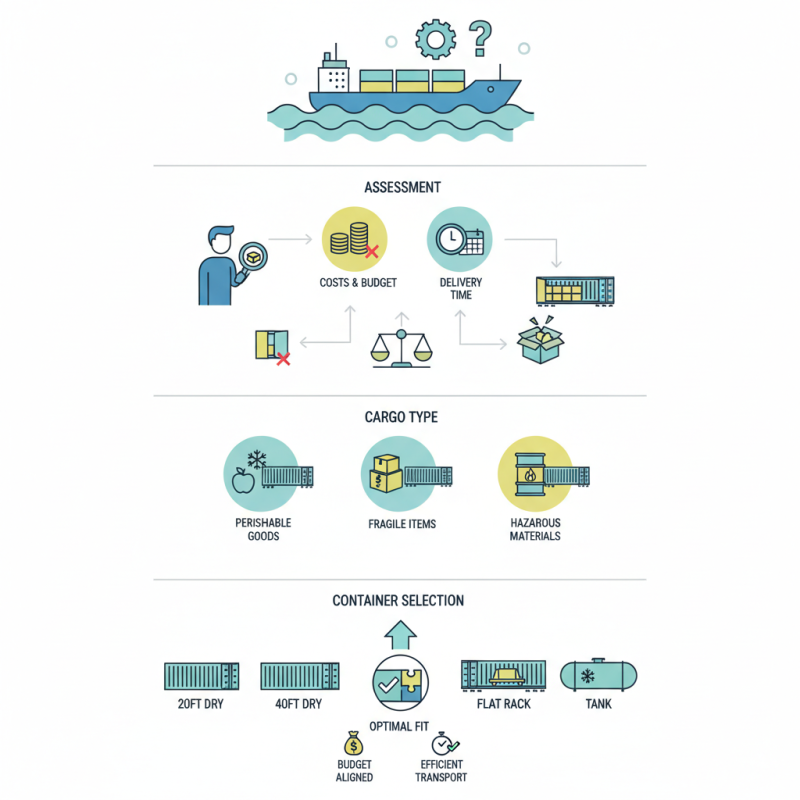
Understanding Full Container Types: A Guide for Shippers
Choosing the right full container type is crucial for effective shipping. There are various types of containers, each designed for specific needs. A standard 20-foot or 40-foot container is common for general cargo. These containers are robust and offer a secure way to transport goods. They come in different heights too, like high-cube containers, for oversized shipments.
Reefer containers are essential for perishable items. They maintain specific temperatures during transit. You'll want to consider the climate when shipping. A break in the cooling could spoil entire shipments. Open-top containers work well for tall cargo. They allow loading from the top, which can be simpler for certain items.
It's vital to reflect on your cargo's needs. Will it be exposed to elements? Is it fragile? Finding the right container may take time. Mistakes here can cost money and damage goods. Think about weight limits too, as exceeding these can lead to issues during transport. Align your container choice with the nature of your shipment for better outcomes.
Full Container Types: Shipping Volume Comparison
This chart illustrates the estimated shipping volumes for different types of full containers. Understanding these volumes can help shippers make informed decisions when selecting the right container for their shipping needs.
Analyzing Your Cargo Volume: How Much Space Do You Need?
When selecting the right full container for your shipping needs, understanding your cargo volume is vital. Measure your goods accurately. This helps identify how much space you really need. Do not underestimate this step. A miscalculation may lead to costly adjustments later.
Consider the dimensions of each item. Are they bulky or compact? Think about how items stack and fit together in the container. Packing efficiently saves money and space. You might find extra room for more goods, but it’s essential to avoid overloading. Loaded containers should maintain stability during transport.
Tip: Always plan for the worst-case scenario. Allow for extra space for cushioning materials. It’s better to have some room than to risk cargo damage.
If your shipment volume changes, adjust your container choice accordingly. A full container may seem ideal now, but future needs matter too. Regularly evaluate your shipping requirements to avoid unnecessary costs. Staying flexible and mindful can save you time and money in the long run.
Evaluating Container Specifications: Dimensions and Weight Limits
When choosing the right full container for shipping, understanding dimensions and weight limits is crucial. A standard 20-foot container measures about 6.06 meters long. It can typically hold up to 28,000 kilograms of cargo. The 40-foot variation offers double that volume. However, it's not just size that matters; weight distribution plays a critical role. Using more than the weight limit can lead to safety issues.
Tips: Always measure your cargo. Knowing the dimensions helps you select the right container. Additionally, consider the cargo's weight distribution. Uneven loads can cause problems during transport.
Some reports indicate that overloading containers can lead to accidents. Yet, many shippers neglect this aspect. Ensure your cargo is within the regulatory limits. It's tempting to push for more capacity, but safety is paramount. An improperly loaded container can destabilize during transit, causing damage or loss.
How to Choose the Right Full Container for Your Shipping Needs? - Evaluating Container Specifications: Dimensions and Weight Limits
| Container Type | External Dimensions (L x W x H) | Internal Dimensions (L x W x H) | Maximum Weight Limit | Volume Capacity |
|---|---|---|---|---|
| 20' Standard Container | 6.058m x 2.438m x 2.591m | 5.898m x 2.352m x 2.393m | 22, 900 kg | 33.2 m³ |
| 40' Standard Container | 12.192m x 2.438m x 2.591m | 12.032m x 2.352m x 2.393m | 27, 000 kg | 67.7 m³ |
| 40' High Cube Container | 12.192m x 2.438m x 2.896m | 12.032m x 2.352m x 2.694m | 30, 480 kg | 76.4 m³ |
| 45' High Cube Container | 13.716m x 2.438m x 2.896m | 13.556m x 2.352m x 2.694m | 30, 480 kg | 85.0 m³ |
Cost Implications: Comparing Full Container Load vs. Less-than-Container Load
Shipping costs can vary significantly. Choosing between
Full Container Load (FCL) and
Less-than-Container Load (LCL) is crucial for any business.
FCL typically offers lower per-unit costs when shipping large volumes.
According to the Journal of Shipping and Trade, FCL can save businesses up to 20% over
LCL on a per cubic meter basis. This is especially relevant for
high-volume imports, where fully utilizing container space can lead to cost efficiency.
However, LCL provides flexibility for smaller shipments. It allows companies to ship less cargo without
bearing the full container cost. A report by the International Maritime Organization indicates that LCL can be more cost-effective for shipments under ten cubic meters in size.
Still, LCL arrangements may involve additional handling fees and longer transit times.
Balancing these options can be challenging. Companies must weigh the urgency of delivery against costs. For example, LCL might seem attractive for smaller loads. Yet, hidden charges can accumulate, making it less economical. A keen analysis of shipment volume and frequency is needed for an informed choice.
Compliance and Safety: Ensuring Your Cargo Meets Regulations
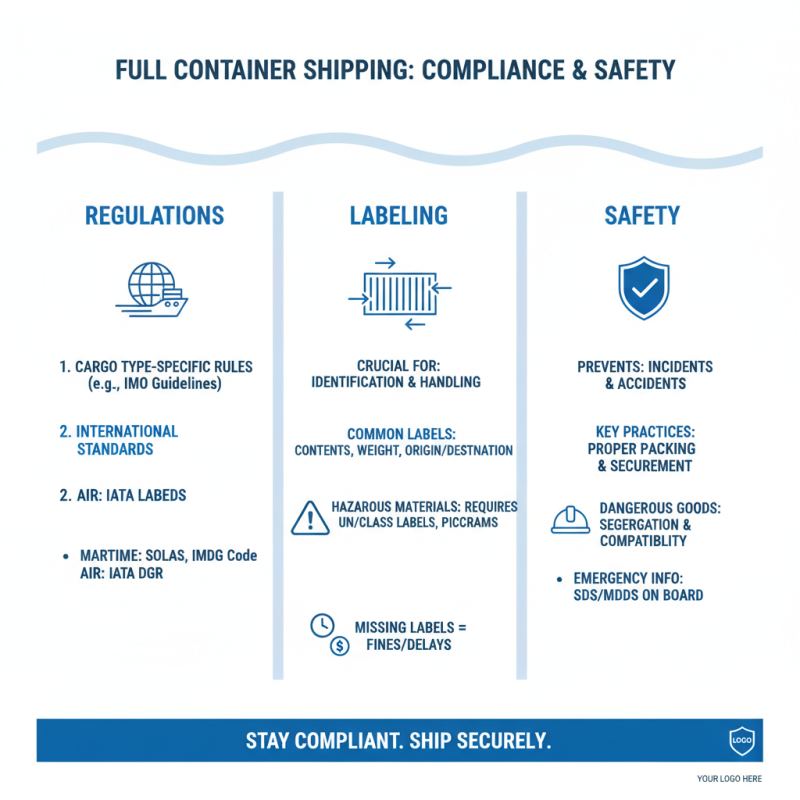
When choosing a full container for shipping, compliance and safety are paramount. Each type of cargo has specific regulations. Proper labeling is crucial. Missing labels can lead to fines or delays. For instance, hazardous materials require special markings to ensure safe transport. It's essential to familiarize yourself with the International Maritime Organization (IMO) guidelines for such items.
Container selection also depends on size and weight limitations. Overloading a container can lead to dangerous situations during transport. Weight distribution matters too. Imbalanced loads can affect vehicle stability. Regular cargo inspections are necessary. One missed inspection can cause significant issues. Reflect on your past shipping experiences. Did compliance slip through the cracks? Addressing these factors is vital for securing safe and efficient shipping solutions.
Related Posts
-
What is a Secure Shipping Container and How Does It Work
-

What is a Cargo Container and How is it Used in Shipping?
-

How to Effectively Track Your Container Shipments with These Essential Tips
-

Ultimate Tips for Converting Shipping Containers into Stunning Living Spaces
-

How to Effectively Ship Goods via Container: A Complete Guide
-

How to Ship Goods via Container in 2025 for Maximum Efficiency and Cost Savings