How Much Does It Cost to Buy 20 Shipping Containers in 2025?
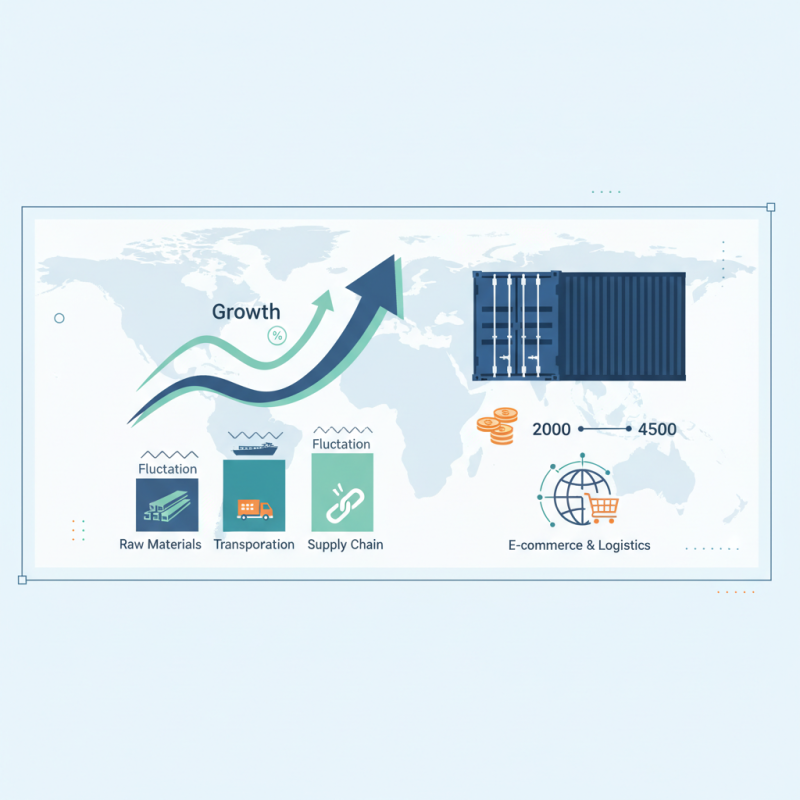
As global trade continues to expand, the demand for shipping containers has surged, leading many businesses and individuals to consider the cost of 20 shipping containers in 2025. According to the latest industry reports, the shipping container market is projected to grow at a compound annual growth rate (CAGR) of approximately 5.5% over the next few years. This growth is largely driven by the rise in e-commerce, which necessitates more efficient logistics and supply chain solutions.
In 2025, the cost of 20 shipping containers is expected to reflect a variety of influencing factors, including fluctuating raw material prices, transportation expenses, and supply chain disruptions. Reports indicate that the average price for a standard 20-foot container may range from $2,000 to $4,500, depending on market conditions. Consequently, potential buyers need to be aware of these variables as they budget for their container purchases. By understanding the broader economic landscape and the expected shifts in pricing, stakeholders can make informed decisions when considering the acquisition of shipping containers for their operational needs.
Factors Influencing the Cost of Shipping Containers in 2025
In 2025, the cost of purchasing shipping containers is influenced by several key factors that stem from global logistics trends, material costs, and market demand. One of the most significant determinants is the fluctuating price of steel, which is the primary material used in container construction. According to a report from the World Steel Association, the price of steel is expected to continue experiencing volatility due to ongoing supply chain disruptions and changes in regulatory policies. These fluctuations inevitably impact container prices, making it crucial for buyers to stay informed about industry trends.
Another critical factor influencing the cost is the demand for shipping containers, which has surged due to the exponential growth of e-commerce and global trade. The International Maritime Organization projects that container traffic will grow by approximately 4% annually, intensifying the competition for containers. As demand exceeds supply, particularly for high-quality or specialized containers, prices are expected to rise significantly. Reports from the Freightos Baltic Index indicate that container costs surged by as much as 300% during peak shipping times in recent years, illustrating how demand spikes can lead to substantial price increases.
Additionally, logistical challenges such as port congestion and increased transportation costs further affect container pricing. The American Association of Port Authorities has documented ongoing delays at major ports, which lead to additional fees for shipping companies and consequently elevate the overall costs for buyers. As a result, potential container purchasers in 2025 must navigate a complex landscape of pricing influenced by raw material costs, market demand, and logistical efficiencies, making informed decisions essential in this evolving market.
Average Prices of New and Used Shipping Containers in 2025
In 2025, the costs associated with purchasing shipping containers can vary significantly based on their condition, type, and market demand. On average, a new shipping container can range from $4,000 to $6,000, while used containers often sell for $2,500 to $4,000. The fluctuations in price are influenced by factors such as supply chain disruptions, availability, and regional market trends. Potential buyers should be prepared for these variables, as they can impact overall costs when looking to purchase multiple units.
When considering buying shipping containers, here are a few tips to keep in mind. First, always inspect used containers thoroughly before making a purchase; look for signs of rust, structural damage, and cleanliness. If possible, visit local suppliers to compare prices and negotiate better deals. Additionally, consider the long-term uses of the containers; investing in high-quality, new units might be worthwhile if you plan to use them for storage or conversion into living spaces.
Another key point is to account for additional costs such as delivery and installation, especially if you are purchasing multiple containers. These expenses can add up quickly and should be included in your budget. Finally, research the market trends and seasonal variations in container pricing to find the best time to buy—this could save you a substantial amount of money.
Additional Costs Associated with Purchasing Shipping Containers
When considering the purchase of 20 shipping containers in 2025, it's essential to account for various additional costs beyond the initial purchase price. These costs can significantly impact the overall investment.
For instance, transportation fees are a primary expense. Shipping containers need to be delivered to your desired location, and costs will vary depending on the distance, type of transport, and any special handling requirements.
Another expense to consider is maintenance and modification. While containers are designed to be durable, they may require repairs or enhancements to suit specific needs. This could include painting, insulation, or adding windows and doors, all of which can add to the overall cost. Furthermore, if you plan to use the containers for storage or as living spaces, utilities like electricity, plumbing, and climate control might also be necessary, resulting in additional financial commitments.
Insurance is another critical aspect that should not be overlooked. Protecting your investment with proper insurance coverage can safeguard against damages, theft, or natural disasters. Additionally, local regulations or zoning laws may require permits or inspections, contributing to the overall expense. Therefore, while the upfront cost of purchasing the containers may be significant, associated costs can quickly add up, requiring thorough budgeting and planning for potential buyers.
Where to Buy Shipping Containers: Best Sources in 2025
When considering the purchase of shipping containers in 2025, it's essential to know where to find the best sources. According to a recent industry report by the Container Owners Association, the demand for shipping containers is projected to remain high due to increasing global trade activities. This surge in demand means prices may be higher than previous years, with costs per container ranging from $2,500 to $4,000, depending on the condition and specifications.
The most reliable sources for purchasing shipping containers include specialized container dealers, online marketplaces, and shipping lines themselves. These platforms often have extensive inventories and can provide various options, from new containers to used ones, catering to different budgets and requirements. It's advisable to also consider local suppliers, as purchasing containers within your region can save on transportation costs, which can be significant given the size and weight of containers.
**Tips:** Before making a purchase, inspect the containers thoroughly or request detailed photographs and descriptions to assess their condition. Additionally, consider negotiating bulk purchase discounts, as many suppliers are open to reducing prices when buying multiple units at once. Lastly, ensure that you understand all transportation and delivery logistics to avoid unforeseen expenses and delays.
Cost of Shipping Containers in 2025
This chart displays the average costs of different types of shipping containers in 2025. The prices vary based on the size and specifications of the containers, indicating the investment required for purchasing these essential logistics tools.
Financing Options for Purchasing Shipping Containers in 2025
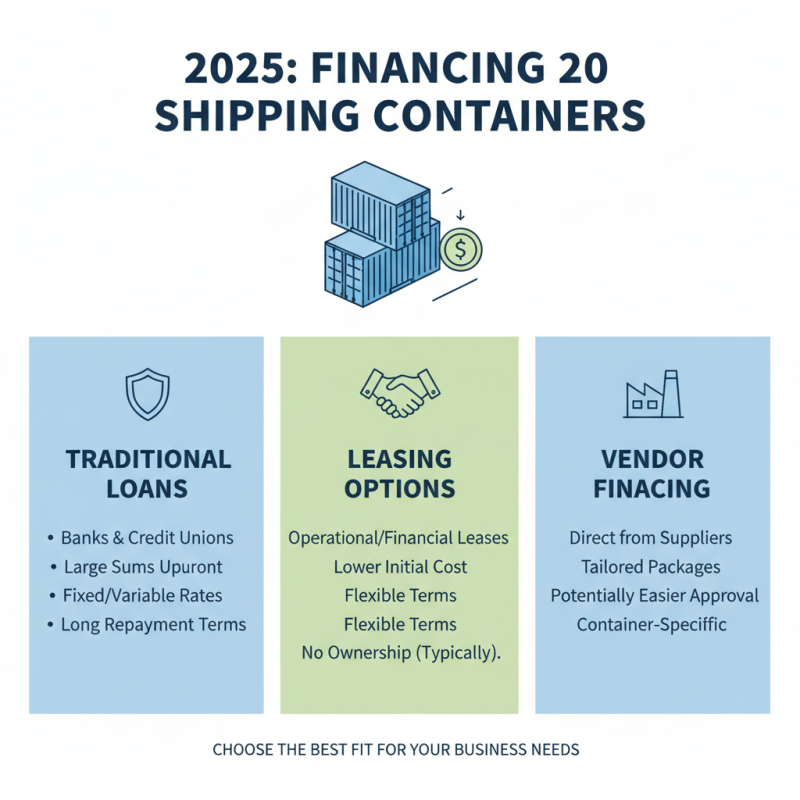
When considering the purchase of 20 shipping containers in 2025, understanding the financing options available is crucial. Many buyers may not have the upfront cash required for such a significant investment, which is where financing comes into play. Various lenders provide tailored financing solutions for shipping containers, including traditional loans, leasing options, and even vendor financing directly through container suppliers.
Tips: When exploring financing, always compare interest rates and terms from multiple lenders. Look for options that allow more flexibility in payments, such as seasonal payment plans if your use of the containers ebbs and flows. Additionally, keep an eye on the total cost of financing, including any hidden fees, which can significantly affect your overall expenses.
Another potential option for financing is crowdfunding, which has gained popularity in recent years. This approach allows you to gather funds from multiple investors who may be interested in your venture involving the containers. This not only diversifies your funding sources but can also help build a community of backers who are invested in your success, providing both financial and moral support as you embark on your container project.
Tips: Clearly outline your project’s goals and financial needs when presenting to potential backers. Transparency can foster trust and attract more contributions, making your financing effort more successful.