
Is Your Container Ready?

Get In Contact With Us Today

Is Your Container Ready?

Get In Contact With Us Today

What is a Delivery Container and How Does It Work?

A delivery container is essential in modern logistics. It streamlines the shipping process. Designed for efficiency, it ensures items reach their destination intact.

These containers come in various shapes and sizes. They can hold anything from electronics to furniture. Securely packed, they protect goods from damage. The materials used can vary, impacting durability. However, not all containers meet quality standards. This inconsistency can lead to issues.

Understanding how a delivery container works is crucial for businesses. It affects timing and costs. Yet, managing container logistics can be complex. Flaws in the system may disrupt delivery timelines. Companies must assess their options carefully.
What is a Delivery Container and How Does It Work?

What is a Delivery Container? Definition and Overview

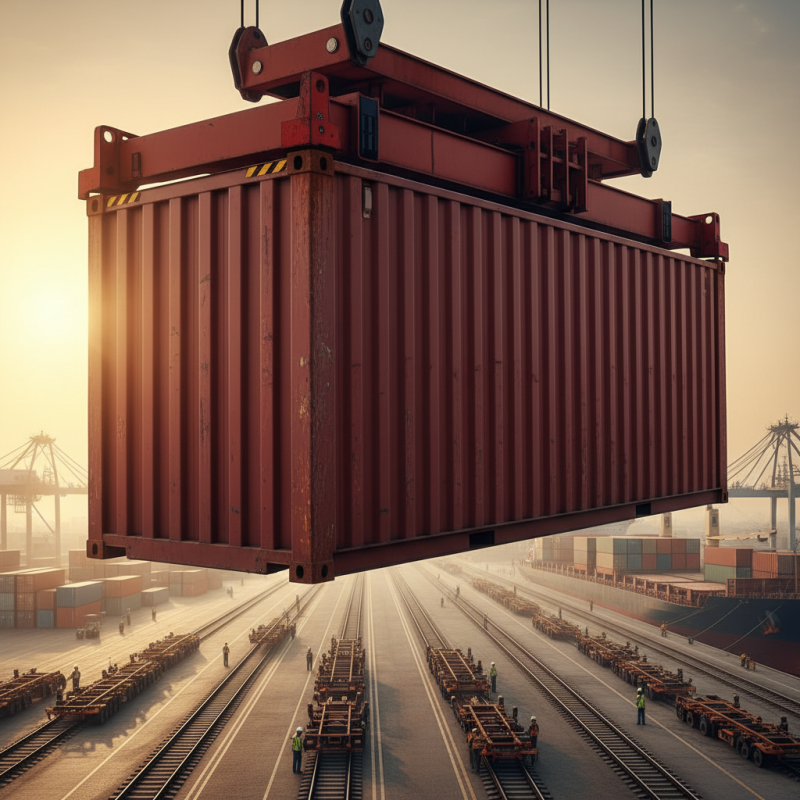
A delivery container is a pivotal element in modern logistics. It serves as a secure box for transporting goods from one location to another. These containers can be made of different materials, ranging from metal to plastic. Each type has its advantages based on what is being delivered.

Understanding how delivery containers work is essential. They are designed to withstand harsh conditions during transit. For instance, temperature-controlled containers are significant for transporting perishables. The container keeps items safe while providing an easy way to track shipments. Monitoring systems can log temperature and humidity changes inside.

**Tip:** Always check container specifications to ensure they meet your transport needs. This can prevent damage to goods.

However, it’s important to note that delivery containers require proper maintenance. Dirty or damaged containers can lead to loss of items or contamination. Regular inspections and cleaning routines may seem tedious but are vital for maintaining quality.

**Tip:** Establish a routine for checking containers before and after use. This simple step can save time and resources down the line.

What is a Delivery Container and How Does It Work?

Dimension Description
Type Standard shipping container, refrigerated container, tank container, etc.
Size Most common sizes are 20ft and 40ft, but variations exist.
Material Typically made from steel, aluminum, or a composite material.
Use Case Used for transporting goods via sea, land, or air.
Loading Mechanism Can be loaded and unloaded using cranes, trucks, or forklifts.
Security Features Locking systems and tracking technology available for security.
Maintenance Regular checks for rust, integrity, and structural soundness.

The Role of Delivery Containers in Modern Logistics and Supply Chains

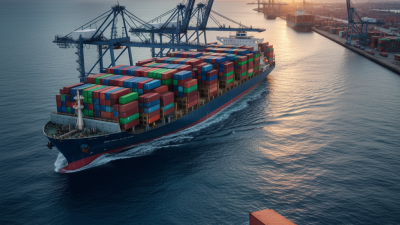
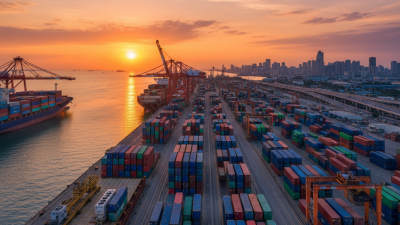
Delivery containers play a pivotal role in modern logistics and supply chains. These structures are designed for efficiency, enabling the transportation of goods across various distances. According to recent industry reports, the global logistics market is projected to reach over $12 trillion by 2027. This growth is largely driven by the increasing demand for swift deliveries and efficient storage solutions.

Delivery containers enhance speed and reliability in supply chains. They are designed to withstand diverse environmental conditions while protecting goods. Notably, the World Economic Forum claims that implementing effective container strategies can reduce delivery times by up to 30%. However, despite these advancements, many logistics companies still face challenges with container management. Inefficient tracking systems can lead to delays and high operational costs. Industry experts suggest that adopting advanced technology for monitoring and managing containers is essential for overcoming these hurdles.

The integration of delivery containers into logistics is not without its flaws. Many companies experience problems with container shortages during peak seasons. A study shows that 60% of freight carriers reported challenges in maintaining adequate container availability. Furthermore, sustainability concerns regarding plastic containers are rising. Addressing these issues is vital for the future of logistics. Continuous improvement and innovation in the use of delivery containers will ultimately determine supply chain success.

Types of Delivery Containers: Specifications and Uses

What is a Delivery Container and How Does It Work?

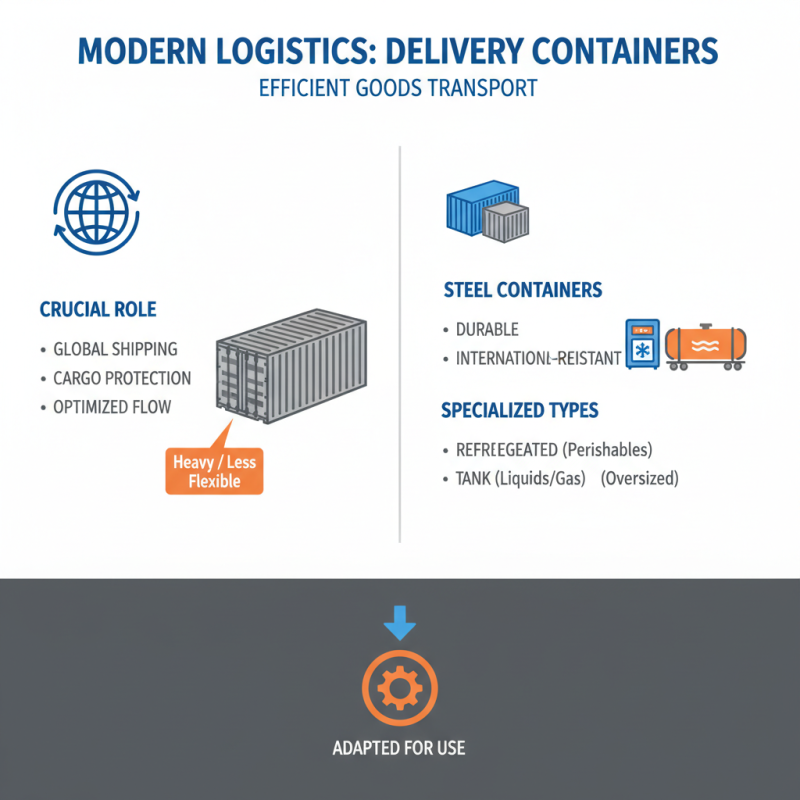
Delivery containers play a crucial role in modern logistics. They are designed to transport goods efficiently. Various types exist, each with specific specifications tailored for different uses. Steel containers are durable, ideal for international shipping. Their sturdy structure protects cargo from environmental hazards. However, they can be heavier and less flexible for smaller shipments.

Plastic containers are another option. They are lightweight and reduce transportation costs. Reports suggest that the global plastic container market is expected to grow significantly, driven by e-commerce expansion. These containers often feature stackable designs, optimizing space. Yet, they may not withstand extreme conditions as well as steel containers.

Refrigerated containers are vital for perishable goods. They maintain a controlled temperature, ensuring quality. According to recent industry studies, the refrigerated container market is projected to witness substantial growth. Nonetheless, operational costs are higher, which can deter some businesses. It's crucial to assess the balance between cost and efficiency when selecting delivery containers.

Key Technologies in Delivery Container Tracking and Management

Delivery containers are the backbone of global logistics. They ensure goods reach their destinations safely and efficiently. Effective tracking and management of these containers are vital for reducing delays and losses.

Key technologies are transforming this space. Internet of Things (IoT) devices enable real-time monitoring. Sensors track location, temperature, and humidity. This data helps optimize routes, but implementation can be challenging. Not all containers are equipped with such technology, leading to gaps in data.

Moreover, tracking software plays a crucial role. It gathers data from various sources for better visibility. However, it is often complex and requires training. Users sometimes struggle with navigation and operational issues. There’s a need for intuitive solutions that enhance user experience. Overall, while technology advances, the systems need continuous improvement to maximize efficiency.

Environmental Impact of Delivery Containers in Shipping and Transportation

Delivery containers play a vital role in shipping and transportation. Their environmental impact cannot be ignored. A recent report indicates that logistics contribute to 15% of global carbon emissions. This figure is alarming. It highlights the need for improved container management.

Containers are made from materials like steel and aluminum. Manufacturing these materials is energy-intensive. According to the World Economic Forum, around 30% of shipping containers are not fully utilized. This inefficiency adds to emissions and waste. Reevaluating container usage could yield significant benefits.

Tip: Consider using a returnable container system. This reduces waste and lowers emissions. Companies that adopt this system often see improvements in their carbon footprint.

Another issue is the disposal of damaged containers. Many end up in landfills. Recycling efforts are crucial but often overlooked. Only about 14% of containers are recycled effectively. It’s essential to foster better recycling practices to minimize environmental harm.

Tip: Engage in industry partnerships focused on sustainability. Collaboration can lead to innovative solutions for better container life cycles. Sharing resources might reduce waste and improve environmental efficiency.

Call Now Button