How to Effectively Ship Goods via Container: A Complete Guide
In today's global economy, effective logistics management is paramount for businesses engaged in international trade. Shipping via container has emerged as one of the most efficient ways to transport goods across vast distances, offering a reliable and cost-effective solution. According to the International Maritime Organization, approximately 90% of the world's trade is carried out by sea, underscoring the critical role that container shipping plays in facilitating global commerce. The ability to ship large volumes of goods in standardized containers not only streamlines the transport process but also reduces costs significantly.
Moreover, the World Trade Organization reports that the adoption of containerization has led to a 70% reduction in shipping costs over the past few decades, making it a favored option among businesses looking to optimize their supply chains. As trade volumes continue to rise, understanding the intricacies of shipping via container becomes essential for exporters and importers alike. This comprehensive guide aims to equip stakeholders with the knowledge necessary to navigate the container shipping landscape effectively, ensuring that they can leverage this method to enhance their operational efficiency and competitiveness in the market.

Understanding Container Shipping: Key Concepts and Definitions
Container shipping is a vital component of global trade, offering a standardized method for transporting goods across oceans and continents. To navigate this complex process, it’s essential to understand key concepts and definitions associated with container shipping. Containers are large, robust boxes designed to facilitate the safe and efficient movement of cargo, typically measuring 20 or 40 feet in length. Their uniform dimensions allow for easy stacking and handling, making them ideal for both land and sea transport.
One of the foundational aspects of container shipping is the term "TEU," or Twenty-foot Equivalent Unit, which is a standard measure used for capacity in container shipping. When cargo is loaded into a container, it is critical to consider the weight limits and the nature of the goods. Proper loading techniques are essential to prevent damage during transit. Additionally, understanding Incoterms – international commercial terms that define the responsibilities of buyers and sellers – is crucial for determining who is liable for shipping costs, insurance, and potential losses. By grasping these concepts, businesses can make informed decisions when planning their logistics and shipping strategies, ultimately ensuring a smoother shipping process.
Choosing the Right Container Type for Your Goods
Choosing the right container type for your goods is crucial in ensuring that your shipment arrives safely and efficiently. Different types of goods require different container specifications based on their size, weight, and unique handling needs. For instance, standard containers are typically suitable for general cargo, while refrigerated containers, or reefers, are essential for transporting perishable items. Understanding the specific characteristics of your goods will greatly influence your decision on the appropriate container type.
Additionally, consider the dimensions and weight restrictions of containers when planning your shipment. High-cube containers provide extra height for bulky items, while flat racks are ideal for transporting oversized goods that cannot fit into standard containers. Using the right container not only protects your cargo but also optimizes shipping costs and space utilization. By assessing the nature of your goods and aligning them with the advantages of each container type, you can enhance the efficiency of your shipping process and ensure that your products reach their destination in perfect condition.
How to Effectively Ship Goods via Container: A Complete Guide - Choosing the Right Container Type for Your Goods
| Container Type |
Dimensions (ft) |
Volume (CBM) |
Max Payload (kg) |
Best For |
| Standard Container |
20 x 8 x 8.5 |
33.2 |
22680 |
General cargo |
| High Cube Container |
40 x 8 x 9.5 |
76.4 |
30480 |
Bulky goods |
| Reefer Container |
40 x 8 x 9.5 |
76.4 |
30480 |
Perishable items |
| Flat Rack Container |
40 x 8 x 8.5 |
76.4 |
30000 |
Heavy machinery |
| Open Top Container |
40 x 8 x 8.5 |
76.4 |
26700 |
Cargo taller than standard height |
Preparing Goods for Container Shipping: Best Practices
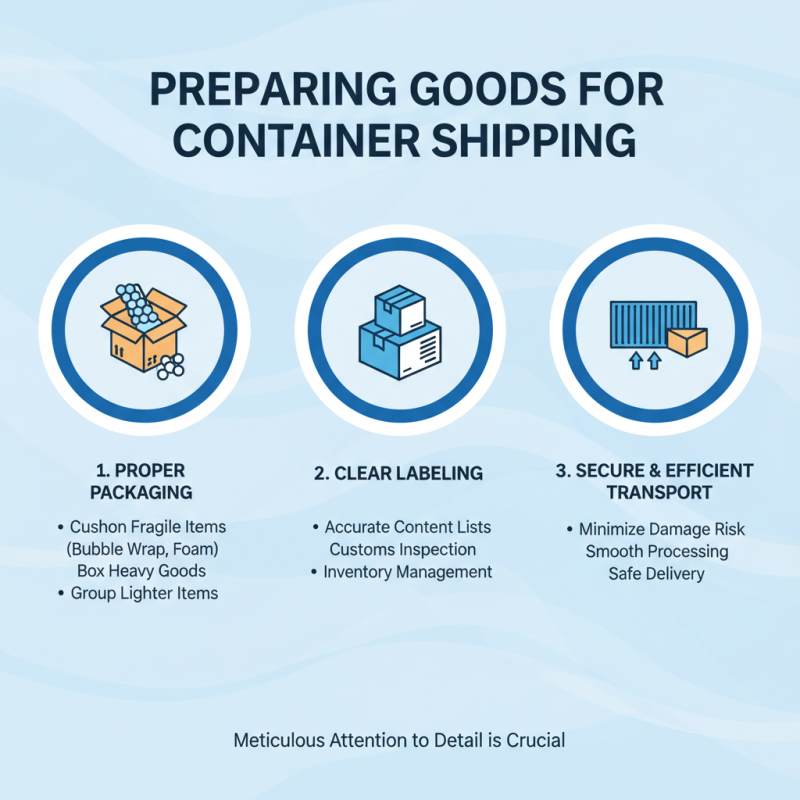
Preparing goods for container shipping requires meticulous attention to detail to ensure safe and efficient transport. The first step is to properly package the items. Use sturdy materials such as bubble wrap, foam, or packing peanuts to cushion fragile items. Heavy goods should be boxed for structural support, while lighter items can be grouped together to minimize the risk of damage. It’s also essential to label all packages clearly and accurately, including a detailed list of contents, to facilitate smooth customs inspections and easier inventory management.
Next, it's crucial to consider the weight and dimensions of the cargo. Overloading a container can lead to serious complications during transit, including potential damage to the goods and higher shipping costs. Weigh each package and calculate the total weight to ensure it stays within legal limits. Additionally, consider the arrangement of items within the container. Heavier packages should be placed at the bottom, with lighter items on top to maintain stability during transport. By following these best practices, you can significantly reduce the risk of damage and ensure that your goods arrive at their destination in optimal condition.
Navigating Customs and Regulations for Container Shipment
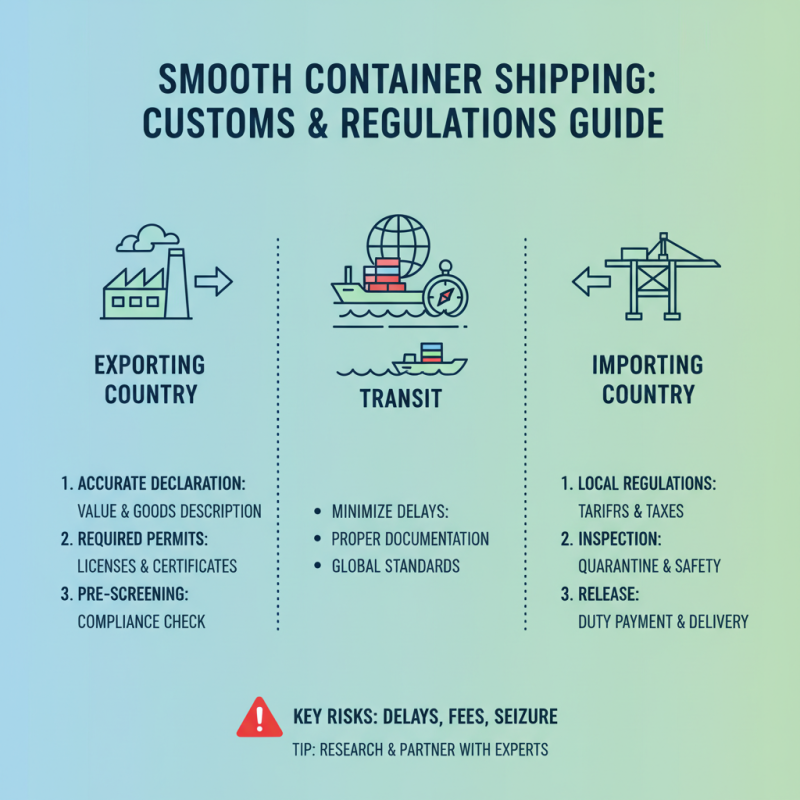
When shipping goods via container, understanding and navigating customs and regulations is crucial to ensure a smooth transit process. Customs regulations vary significantly from one country to another, and even minor discrepancies in documentation can lead to delays, additional fees, or even seizure of goods. It’s imperative to familiarize yourself with both the exporting and importing country’s customs procedures. This includes declaring the correct value of goods, providing accurate descriptions, and ensuring that all necessary permits are in place.
**Tips:** Always consult the customs guidelines on the official government website of both the exporting and importing countries. Additionally, consider working with a freight forwarder who can provide expertise on customs requirements and help you prepare the necessary paperwork. Keeping a close eye on deadlines will also prevent any unexpected issues during shipment.
Moreover, tariffs and taxes associated with container shipments can also affect the overall cost and should be taken into account when budgeting for your shipment. Be aware of applicable duties and how they may impact your financial planning. Understanding the tariff classifications relevant to your goods can facilitate easier clearance through customs.
**Tips:** Utilize online tariff lookup tools to get insights into potential duties and taxes prior to shipment. This preparation can help avoid surprises and ensure compliance with all shipping regulations, leading to a more efficient delivery process.
Tracking and Managing Your Shipment: Tools and Techniques
When shipping goods via container, effective tracking and management are essential for ensuring a smooth transportation process. With advancements in technology, various tools and techniques have emerged to help shippers monitor their shipments in real-time. Utilizing GPS tracking systems allows you to access precise location data, enabling you to estimate arrival times and address any potential delays proactively.
Tips: Implementing a logistics management software can significantly enhance your shipment tracking process. These platforms often integrate with various carriers, allowing for centralized management of shipments. Look for features that offer real-time updates, notifications, and analytics to keep your operations efficient.
Additionally, clear communication with your shipping partners plays a crucial role in managing your shipment effectively. Regular check-ins and updates can help to resolve any issues before they escalate. Establishing a consistent communication protocol ensures everyone involved in the shipping process is informed and aligned, from loading at the point of origin to unloading at the destination.
Tips: Set up automated alerts to stay informed about critical shipment status changes. Using these alerts can help you respond quickly to any unforeseen circumstances, minimizing disruptions and maintaining customer satisfaction. Adopting a proactive approach to monitoring and managing your shipments will ultimately lead to a more streamlined shipping experience.
Container Shipping Times by Destination