

Is Your Container Ready?

Get In Contact With Us Today

Is Your Container Ready?

Get In Contact With Us Today

How to Effectively Track Your Container Shipments with These Essential Tips

In today's globalized world, the efficiency of shipping operations is paramount for businesses that rely on the timely delivery of goods. One critical aspect of this process is the ability to effectively track your container shipments. With the rise of e-commerce and international trade, understanding where your containers are at any given moment can drastically optimize supply chain management and improve customer satisfaction.

To ensure a smooth shipping experience, it's essential to implement strategies that enhance visibility throughout the shipping journey. This means utilizing various tools and methodologies that empower businesses to monitor their shipments from port to port. By learning how to track your container effectively, you not only stay informed about your cargo's whereabouts but also anticipate any potential delays that could disrupt operations.

Consequently, this article presents essential tips that can help you master the art of tracking your container shipments. Whether you are a seasoned shipping professional or new to the logistics field, these insights will guide you in achieving greater control and efficiency in your shipping endeavors.

How to Effectively Track Your Container Shipments with These Essential Tips

Understanding Container Shipment Tracking Basics
How to Effectively Track Your Container Shipments with These Essential Tips

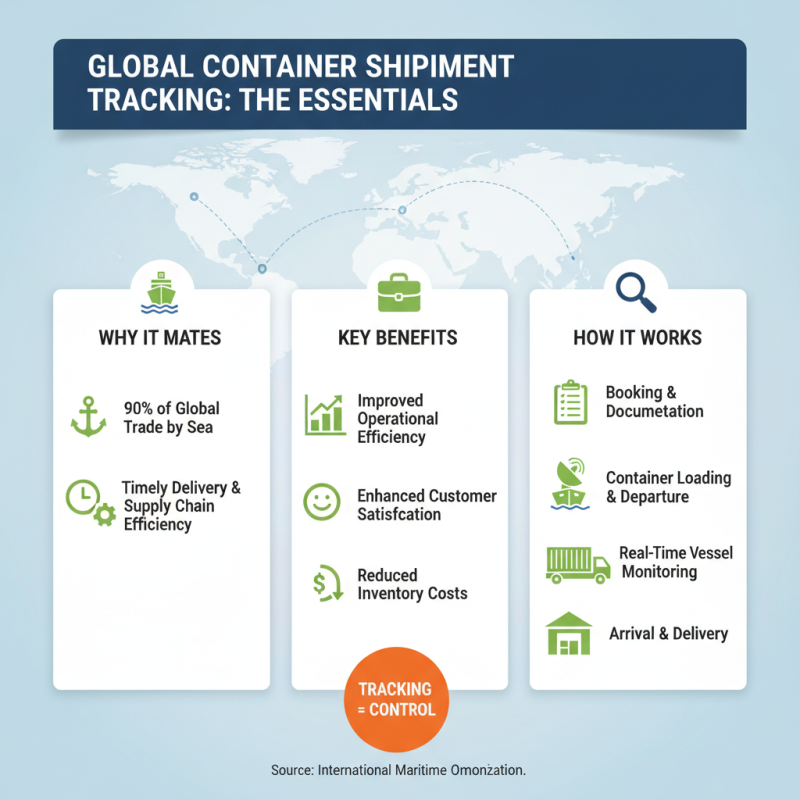
Understanding the basics of container shipment tracking is crucial for businesses involved in international trade. Effective tracking helps ensure that goods are delivered on time and enables businesses to manage their supply chains more efficiently. According to the International Maritime Organization, approximately 90% of the world's trade is carried out by sea, underscoring the importance of reliable tracking systems in the shipping industry. Businesses that implement robust tracking methods can improve their operational efficiency and customer satisfaction while reducing inventory costs.

At its core, container shipment tracking involves utilizing advanced technologies such as GPS and RFID to monitor the location and status of shipments in real time. Reports indicate that real-time shipment tracking can decrease supply chain disruptions by up to 30%, allowing companies to respond swiftly to any unforeseen delays. Moreover, data analytics can provide insights into shipment patterns and delivery times, helping companies optimize their logistics strategies. As the shipping industry continues to adopt digital solutions, understanding these basics of container shipment tracking becomes essential for staying competitive and ensuring the integrity of the supply chain.
Choosing the Right Container Tracking Tools for Your Needs

When it comes to tracking container shipments, choosing the right tracking tools is crucial for ensuring efficiency and peace of mind. The first step is to determine your specific needs based on the scale and complexity of your shipping operations. If you frequently manage multiple shipments, look for tools that offer real-time tracking capabilities and notifications for critical updates. These features will allow you to stay informed on the status of your containers at any moment and alert you to any potential delays.

Additionally, consider the user interface and integration capabilities of the tracking tools you explore. A user-friendly interface will simplify the process of monitoring your shipments, while integration with existing logistics systems can streamline workflows and reduce manual entry errors. Some tracking solutions also provide additional functionalities, such as document management and analytics, which can enhance your overall shipping process. By carefully evaluating these aspects, you can select the container tracking tools that best align with your operational goals and ensure smoother shipment management.

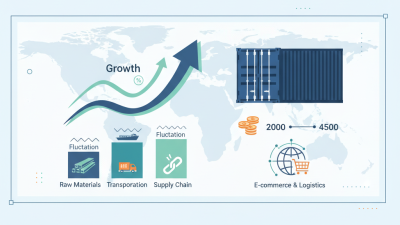
Container Shipment Tracking Performance

Setting Up Alerts and Notifications for Shipment Updates

Setting up alerts and notifications for your container shipments is crucial for staying informed about their status and ensuring smooth logistics management. Utilizing modern technology can streamline this process, allowing you to receive timely updates directly to your mobile device or email. By leveraging shipment tracking applications or platforms that offer push notifications, you can keep track of important milestones like departure, arrival, and any potential delays.

One effective tip is to customize your alert settings based on your specific needs. For instance, you may want to receive notifications when your shipment reaches certain checkpoints, such as port arrival or when it is out for delivery. This level of customization aids in planning and can help alleviate any unnecessary stress associated with unexpected changes in the shipment timeline.

Furthermore, consider integrating your shipment alerts with calendar applications to keep all relevant dates and deadlines in a single view. Having visual reminders about expected arrival times can enhance your efficiency in managing inventory and customer expectations. By taking these proactive measures, you can ensure that you remain informed and prepared for the various stages of your shipping process.

How to Effectively Track Your Container Shipments with These Essential Tips - Setting Up Alerts and Notifications for Shipment Updates

Shipment ID Container Number Departure Date Estimated Arrival Date Current Status Alerts Setup
SH123456 CNT987654321 2023-10-01 2023-10-15 In Transit Email Notifications Active
SH654321 CNT123456789 2023-09-25 2023-10-10 Arrived SMS Notifications Active
SH789012 CNT678901234 2023-09-15 2023-10-05 Delayed Push Notifications Active
SH345678 CNT987654321 2023-10-05 2023-10-20 Pending Email & SMS Notifications Active

Interpreting Tracking Information and Status Codes

When it comes to tracking container shipments, understanding tracking information and status codes is essential for ensuring a smooth logistics process. Each shipping line provides status updates that can help you keep tabs on your shipment’s journey. Familiarizing yourself with common status codes like "In Transit," "Arrived at Destination," and "Customs Clearance" can significantly reduce uncertainty and allow you to plan effectively.

To enhance your tracking experience, consider these tips: first, always check for the latest updates directly from your shipping provider’s website. This is where real-time changes are often reflected first. Second, take note of important milestones in the shipping process. For instance, knowing when your container arrives at the port of origin or reaches customs can help you anticipate any potential delays. Lastly, utilize tracking apps that aggregate information from various shipping lines, providing you with a centralized view of your shipment's status.

By employing these strategies, you can interpret tracking statuses more effectively and remain proactive in managing your container shipments. Understanding the codes that appear can help you address issues before they escalate, ensuring that your supply chain remains uninterrupted.

Best Practices for Monitoring and Managing Shipments Effectively

How to Effectively Track Your Container Shipments with These Essential Tips

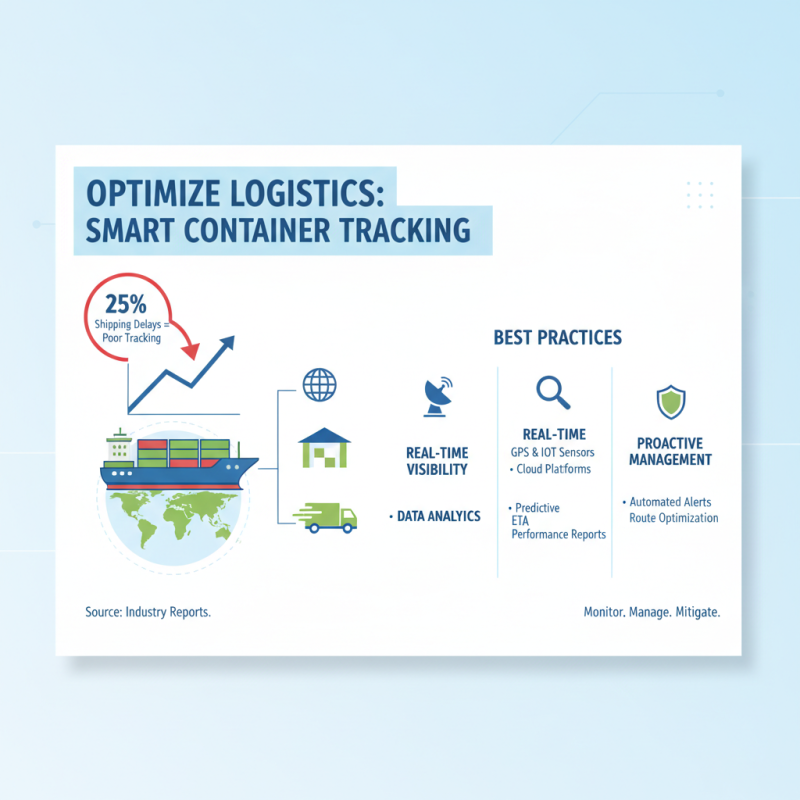
In the ever-evolving landscape of global trade, effectively monitoring and managing container shipments has become paramount for businesses aiming to optimize their logistics processes. According to recent industry reports, approximately 25% of shipping delays are attributed to inadequate tracking systems. To mitigate these issues, implementing best practices in shipment monitoring is essential.

One key practice is to utilize integrated tracking systems that provide real-time updates. This approach enhances visibility across the supply chain and can lead to a reduction in delays by up to 20%. By leveraging advanced technologies such as IoT devices and GPS tracking, companies can ensure that they have accurate information regarding the location and status of their shipments.

It’s also crucial to establish effective communication channels with all stakeholders involved in the shipment process. Regular updates and transparency can significantly improve coordination and response times. In fact, data suggests that businesses with strong communication strategies can see a 30% improvement in operational efficiency.

Tips for managing shipments include setting automated alerts for significant milestones in the shipping process, which can proactively address potential issues before they escalate. Additionally, encouraging feedback from partners on shipment performance can provide invaluable insights for continuous improvement. By incorporating these practices, businesses can enhance their shipment tracking strategies and achieve smoother logistical operations.

Call Now Button