

Is Your Container Ready?
Get In Contact With Us Today
Is Your Container Ready?
Get In Contact With Us Today
10 Essential Tips for Managing ISO Containers Effectively?
Managing ISO containers effectively is crucial in today's fast-paced logistics landscape. These containers are integral for transporting goods safely and efficiently across various modes of transport. With the rise of e-commerce and global trade, their importance cannot be overstated.
To utilize ISO containers properly, one must consider multiple factors. Awareness of container maintenance is vital. Regular inspections can identify potential issues early. Effective organization and tracking help minimize loss and improve operational efficiency. Training staff on best practices is another critical aspect. Employee knowledge can significantly reduce errors.
However, challenges exist in managing ISO containers. Weather conditions, unexpected delays, and miscommunication can complicate logistics. Reflection on these obstacles can lead to improved strategies. By acknowledging these challenges, businesses can enhance safety and efficiency in their operations. Careful management of ISO containers contributes to better supply chain outcomes.

Understanding ISO Containers: A Comprehensive Overview
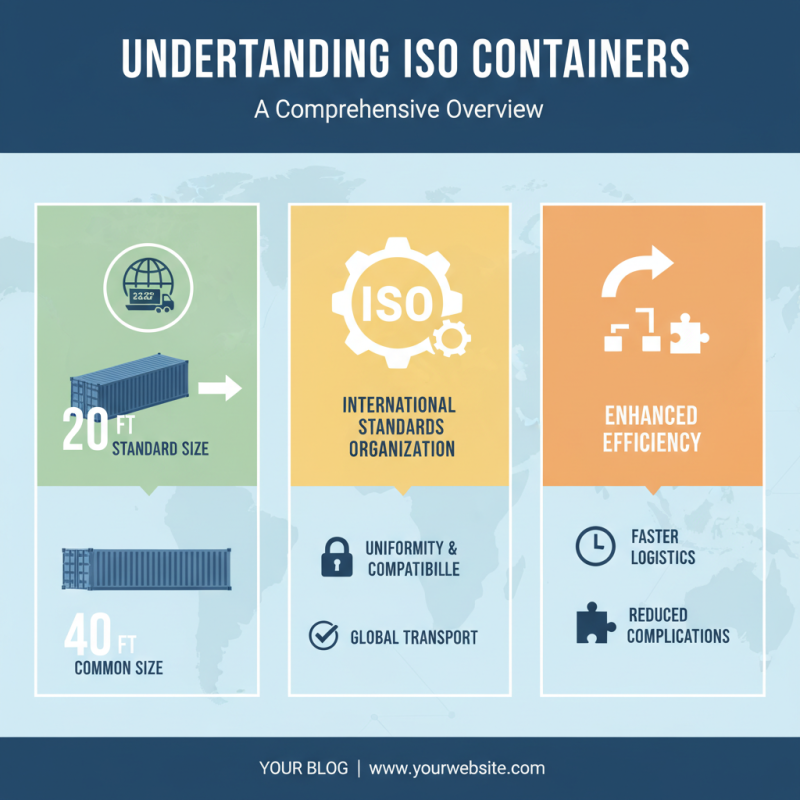
ISO containers are standardized shipping containers used globally for transporting goods. They come in various sizes, typically 20 or 40 feet long. Each container follows strict international standards, which ensures compatibility across different modes of transport. This uniformity enhances efficiency in logistics and minimizes complications during shipping.
Understanding the structure of ISO containers is crucial. They are designed for easy stacking and loading. Made from durable materials, they withstand harsh environmental conditions. However, improper use can lead to damage. For example, overloading a container can compromise its integrity. Regular inspections of containers help identify wear and tear and ensure safety standards are met.
Effective management involves knowing the right storage techniques. Positioning containers in designated areas prevents accidents. Keeping track of containers’ conditions and contents is essential for operational efficiency. However, miscommunication among teams can lead to errors. Establishing clear protocols for handling can mitigate these risks. Awareness and ongoing training foster a culture of safety and accountability in container management.
Key Benefits of Using ISO Containers in Supply Chain Management
ISO containers have transformed supply chain management with their efficiency and flexibility. According to a report by the International Organization for Standardization, container shipping is projected to grow by 4.3% annually, reflecting increasing reliance on these standardized units. Companies benefit by reducing logistics costs and improving transportation times. Their standardized sizes allow for modularity in shipping. This feature facilitates easier stacking and handling.
Effective management of ISO containers is crucial. One tip is to maintain accurate inventory records. Ensuring real-time tracking minimizes delays and maximizes utilization. Efficient container management can lead to a reduction in overall shipping time by up to 20%. Another key strategy is regular maintenance checks; this prevents issues that could lead to costly delays. Reports indicate that unplanned repairs can increase transport costs by 15%.
ISO containers also improve sustainability. They reduce the carbon footprint of shipping by optimizing space and minimizing waste. Employing energy-efficient handling equipment can further enhance this benefit. However, it's essential to continuously evaluate practices. Unaddressed inefficiencies can hinder potential savings and environmental goals.
Effective Strategies for Stacking and Storing ISO Containers
Effective stack management of ISO containers is crucial in logistics. According to a report by the International Organization for Standardization, improper stacking can lead to a 30% increase in operational costs. Therefore, a strategic approach to how containers are stored is essential.
Containers should be stacked by weight and size. It is recommendable to store heavier containers at the bottom. This minimizes risks of toppling. Additionally, adhering to a systematic layout can ensure easy access. Enforcing a uniform stacking pattern leads to optimized space usage, particularly in warehouses.
Regular audits are necessary for effective container management. They help identify potential hazards. This is crucial in maintaining safety, as incidents due to poor stacking can be both costly and dangerous. A recent study highlighted that 20% of workplace accidents are linked to inadequate storage practices. It’s clear that constant evaluation of stacking techniques is necessary.
Monitoring and Maintenance Practices for ISO Containers
Monitoring and maintaining ISO containers is vital for effective management. Regular inspections can prevent issues before they escalate. Start by checking the structural integrity of the container. Look for signs of rust or damage. A quick visual inspection can save significant costs later.
Temperature control is another critical factor. Using temperature monitoring devices helps ensure commodities are stored correctly. Additionally, utilizing humidity sensors is beneficial for perishable goods.
Regular checks on these systems alert managers to any fluctuations that could affect the contents.
Documentation is key. Keeping detailed records of inspections and maintenance schedules helps track the container's condition. It also provides valuable data for future reference. However, managing different containers can lead to inconsistencies in record-keeping. Creating a standardized template for documentation can improve reliability.
Regular training on monitoring equipment is also essential for all team members. Encourage a culture of awareness and responsibility among staff.
Navigating Regulations and Compliance for ISO Container Use
Navigating regulations and compliance when using ISO containers is paramount. Various international standards govern the use of these containers. Familiarizing yourself with ISO standards can prevent costly mistakes. Many facilities may overlook specific regulations during the transportation and storage of goods. Understanding safety protocols can mitigate risks tied to container handling.
Training personnel is essential for compliance. Employees should be aware of relevant regulations. Regular workshops can help reinforce this knowledge. Discussion of common pitfalls can lead to better adherence to standards. Remember, a single oversight can lead to severe penalties and legal issues. Keeping documentation organized is also crucial. Proper records ensure accountability and simplify audits.
Regular inspections of ISO containers are necessary. These checks help identify compliance issues early. Often, companies neglect this aspect, assuming containers are in good condition. Implementing a systematic inspection routine addresses this gap. Engaging in open dialogues with regulatory bodies can also build trust. Compliance is not just about following rules; it's about cultivating a culture of safety and responsibility. Adapting to changes in regulations is a continuous process that should not be underestimated.
10 Essential Tips for Managing ISO Containers Effectively
| Tip Number | Tip Description | Importance Level | Compliance Requirements |
|---|---|---|---|
| 1 | Develop a comprehensive ISO container management plan. | High | ISO 9001, ISO 14001 |
| 2 | Regularly train staff on ISO container handling and regulations. | Medium | OSHA Regulations |
| 3 | Implement a tracking system for container audits and inspections. | High | ISO 45001 |
| 4 | Ensure proper labeling of containers according to regulations. | High | GHS Guidelines |
| 5 | Perform risk assessments for the use of ISO containers. | Medium | ISO 31000 |
| 6 | Maintain records of container maintenance and repairs. | High | ISO 9001 |
| 7 | Establish emergency response protocols for container incidents. | High | ISO 14001 |
| 8 | Engage with stakeholders regarding ISO container standards. | Medium | ISO 26000 |
| 9 | Review and update policies as regulations change. | High | ISO 9001 |
| 10 | Leverage technology for efficient container management. | Medium | GDPR Compliance (if applicable) |
Related Posts
-
Top 10 Benefits of Using ISO Containers for Shipping and Storage Solutions
-
10 Essential Tips for Choosing the Right Sea Container for Your Needs
-
2026 How to Use ISO Containers for Efficient Shipping Solutions?
-

How to Ship Goods via Container in 2025 for Maximum Efficiency and Cost Savings
-
2026 Best Tips to Send Container Safely and Efficiently?
-

Top 10 Converted Container Ideas for Innovative Living Spaces?