

Is Your Container Ready?

Get In Contact With Us Today

Is Your Container Ready?

Get In Contact With Us Today

10 Essential Tips for Shipping with LCL Containers in 2026

In the evolving landscape of logistics, LCL containers have become vital for shipping worldwide. John Smith, a leading expert in the LCL container industry, emphasizes, "Understanding the nuances of LCL shipping can save businesses time and money." As companies transition to more efficient practices, knowing how to navigate LCL shipping becomes essential.

LCL, or Less than Container Load, allows businesses to share container space. This option is perfect for smaller shipments. For many companies, the challenge lies in understanding the complexities surrounding LCL container logistics. There can be pitfalls, such as unexpected fees or delays. Every shipment tells a story, and every choice impacts the outcome.

Attention to detail is crucial in LCL shipping. Accurate documentation can prevent serious headaches. However, many still overlook the importance of thorough preparations. Reflecting on failures might lead to better practices. As we approach 2026, embracing these lessons will reshape how we utilize LCL containers in the future.

10 Essential Tips for Shipping with LCL Containers in 2026

Understanding LCL Containers: Definition and Benefits for Shippers
10 Essential Tips for Shipping with LCL Containers in 2026

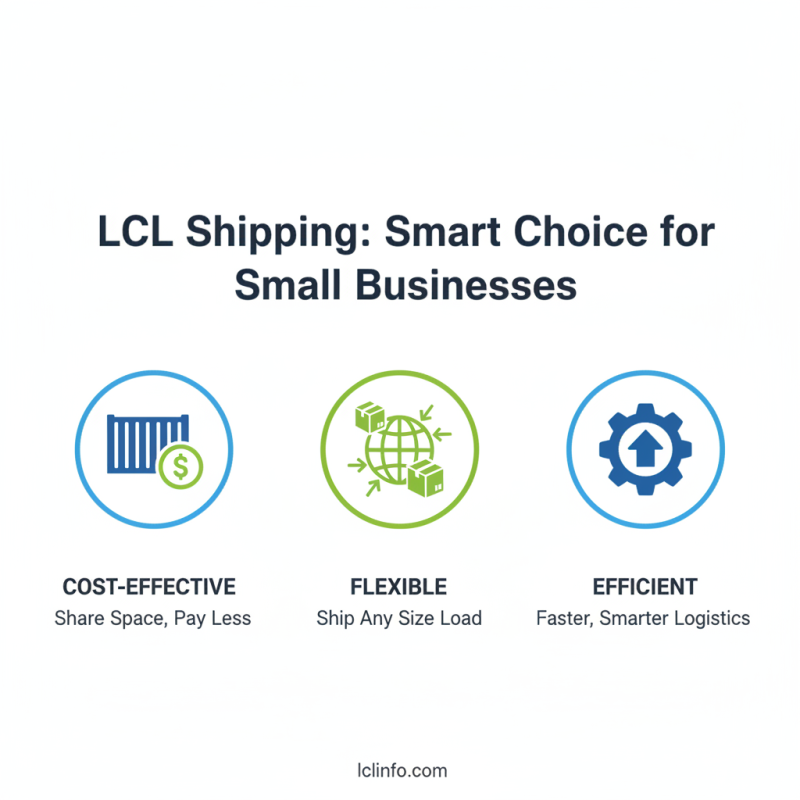
LCL containers, or Less than Container Load, provide an efficient option for shippers with smaller shipments. These containers allow multiple shipments from different clients to share space. This means reduced costs, as you only pay for the portion you use. For businesses that do not require a full container, this is a smart choice.

Understanding the benefits of LCL shipping can enhance your logistics strategy. One of the notable advantages is flexibility. Shippers can send smaller quantities without waiting to fill an entire container. This can shorten delivery times and help maintain inventory levels. However, it’s crucial to coordinate effectively with logistics providers. Delayed schedules can lead to unnecessary costs.

While LCL is generally cost-effective, there can be challenges. For instance, the risk of damage may increase due to handling by multiple parties. Ensuring proper packaging and labeling is vital. Furthermore, customs procedures can be complex. Each shipment must comply with regulations, adding to the risk of delays. Shippers should remain aware of these potential pitfalls and prepare accordingly.
Key Considerations for Choosing the Right LCL Shipping Provider

When selecting the right LCL shipping provider, several factors play a vital role. Transparency in pricing is paramount. In 2023, it was reported that nearly 30% of shipping costs were unexpected fees. Clear communication about all potential charges can save clients from surprises later.

Tip: Always ask for a detailed quote. This should include all fees for port handling, documentation, and customs clearance.

Another critical consideration is the provider's track record. Research customer reviews and ask for references. The best providers often have a client satisfaction rate of over 90%. Look for performance metrics, such as on-time delivery rates, which can significantly influence your supply chain efficiency.

Tip: Evaluate providers’ websites for updates on their service reliability.

Lastly, technology integration should not be overlooked. A report from the Shipping Industry Journal noted that companies using advanced tracking systems reduced delays by 25%. It’s essential to ensure your provider adopts the latest digital tools for real-time tracking and updates. Investing in a tech-savvy partner can enhance your shipping strategy significantly.

Essential Preparation Steps Before Booking Your LCL Shipment

When preparing for your LCL shipment, adequate planning is essential. Start by understanding the specific requirements of your cargo. Different goods have various shipping regulations. Assess whether your items are perishable, fragile, or oversized. Each type demands unique handling considerations.

Here are some tips that may help. First, ensure your products are well-packaged. Use strong cartons and ample cushioning materials. This can prevent damage during transit. Second, accurately calculate the dimensions and weight of your shipment. Overestimating or underestimating these can lead to additional costs or delays.

Another important aspect is communication. Before booking, clarify any concerns with your freight forwarder. Sometimes, misinterpretations lead to unexpected issues. Being proactive can save time and money. Lastly, review your documentation carefully. Missing or incorrect paperwork can create significant shipping hurdles. Proper preparation often distinguishes a smooth shipment from a problematic one.

Shipping Challenges and Preparation Tips for LCL Containers in 2026

Best Practices for Packing and Labeling LCL Goods Efficiently

10 Essential Tips for Shipping with LCL Containers in 2026

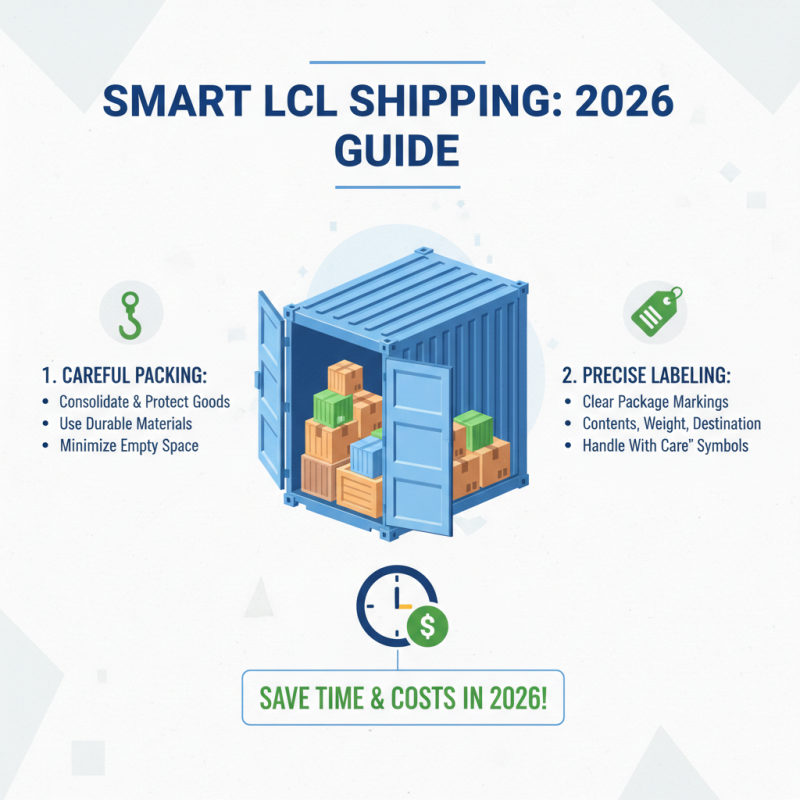
Shipping with LCL (Less than Container Load) containers requires careful packing and labeling. Proper techniques can save you time and costs in 2026.

When packing your goods, use sturdy boxes. Each box should be the same size to optimize space. Avoid overpacking, as this can lead to damage. Choose cushioning materials like bubble wrap or foam. These protect your items during transit. Also, consider the weight distribution in each box. It helps in maintaining balance during shipping.

Labeling is equally important. Use clear and concise labels. Ensure the destination and handling instructions are easy to read. Mistakes in labels can lead to delays. Don’t forget to include a packing list inside the container. It serves as a reference during customs inspections. Enhancing both packing and labeling practices can significantly improve your shipping efficiency.

Navigating Customs and Regulations for LCL Shipments in 2026

Navigating customs and regulations for LCL (Less than Container Load) shipments in 2026 requires precise planning. In recent industry studies, nearly 45% of shipments faced delays due to incomplete documentation. Understanding the necessary paperwork is crucial. Common documents include the bill of lading, commercial invoice, and packing list. Missing even one can cause significant setbacks.

It is vital to stay updated on changing regulations. According to the World Customs Organization, compliance rates are expected to drop by 10% in 2026. This could lead to more inspections and potential fines. Engaging with a customs broker may save time and prevent costly errors.

Communication with freight forwarders is key in this process. Many companies reported struggles with different customs requirements in various countries. In fact, a survey indicated that 62% of businesses experienced confusion over regional regulations. Developing a clear understanding of each destination is essential. Proper planning can ensure smooth delivery and minimize unexpected issues.

Call Now Button