Is Your Container Ready?

Get In Contact With Us Today

Is Your Container Ready?

Get In Contact With Us Today

How to Choose China Top Converted Container Suppliers?

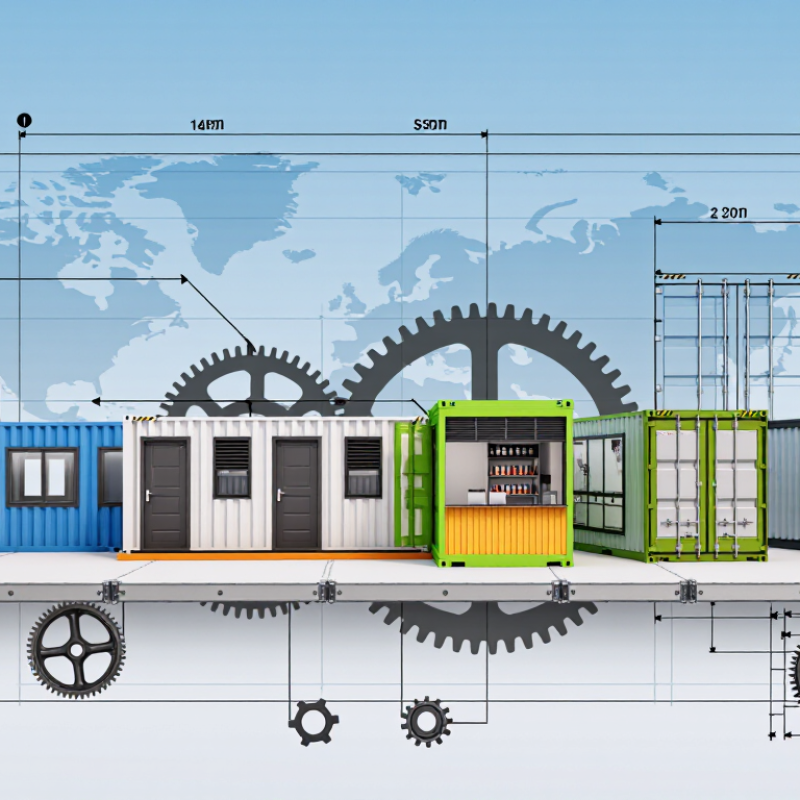
Choosing China’s top converted container suppliers requires more than comparing factory prices. A reliable buyer must examine engineering quality, material traceability, delivery records, and after-sales support. The term converted container covers offices, classrooms, retail units, accommodation, and specialist modular spaces. Each application demands different insulation, ventilation, fire protection, and structural controls.

UNCTAD’s Review of Maritime Transport reports that more than 80% of global merchandise trade moves by sea. This explains China’s strong container manufacturing base and broad supplier network. However, production scale does not guarantee conversion quality. ISO 668 and ISO 1496 provide essential reference points for container dimensions, corner fittings, and structural performance. Buyers should also request welding procedures, coating specifications, load calculations, and documented factory inspections.

John Fossey, Drewry’s container equipment and leasing specialist, offers a useful purchasing principle: “A container’s value depends on its condition, location, and future use.” This principle matters when selecting a converted container supplier. A low quotation can still become expensive after repainting, rewiring, transport delays, or repeated repairs. Look closely. Ask for photographs showing floor edges, roof seams, door alignment, and electrical panels. Request recent project references, not only polished brochures.

Container xChange market reports also show how equipment availability and pricing can change quickly across regions. Therefore, buyers should compare total delivered cost, conversion standards, warranty terms, and replacement-part access. No supplier is perfect. That is where evaluation becomes more honest. The strongest choice is usually the supplier that documents limitations clearly, communicates consistently, and can prove similar projects with measurable results.
How to Choose China Top Converted Container Suppliers?

Define Your Converted Container Project Requirements

Before contacting China’s top converted container suppliers, define what the container must do. Write its purpose: site office, retail kiosk, classroom, or secure storage unit. Record dimensions, internal layout, door positions, window sizes, insulation level, and target capacity. A rough sketch helps, but it may hide practical problems. Measure the delivery route, including gates, turning space, overhead cables, and ground conditions. Mention the local climate and expected use hours. These details prevent attractive quotations from becoming expensive revisions.

Set technical and commercial limits in a clear project brief. Specify steel treatment, floor loading, electrical points, plumbing, ventilation, fire safety provisions, and finish materials. Confirm compliance with applicable local building, electrical, and fire regulations. Ask for drawings, material specifications, inspection records, and a realistic production schedule. Clarify whether transport, crane unloading, installation, testing, and after-sales support are included. An experienced supplier should identify conflicts, such as a wide counter blocking an emergency exit. Do not accept vague phrases like “high quality.” Request measurable standards and approval samples. Still, your first brief will probably change. That is normal. Review it with an architect, engineer, or experienced site manager before ordering.

Tips: Prepare a room-by-room equipment list, with approximate weights and power ratings. Mark every opening on the sketch and show its distance from corners. Keep a contingency budget for drainage changes, uneven ground, and weather delays. Use dated revisions, because small wording changes can affect fabrication. Ask suppliers to confirm assumptions in writing. Clear requirements make fair comparisons possible and reveal competence early.

Research China’s Supplier Experience and Manufacturing Capabilities

Choosing China’s top converted container supplier requires more than comparing online photos. Research the factory’s real experience with similar projects. Ask how many units it has completed, where they were installed, and which climates they have handled. Request project drawings, production records, and recent customer references. Vague answers deserve caution.

Visit the workshop, in person or through a live video inspection. Check steel cutting, welding, insulation fitting, electrical assembly, and final sealing. Look for labeled materials and organized storage. A capable supplier should explain load calculations, fire-rated materials, drainage design, and corrosion protection clearly. Ask to see sample welds, coating thickness reports, and test results for doors, windows, and electrical systems. Manufacturing skill appears in small details.

Do not judge capability by machinery alone. Skilled workers, documented procedures, and quality inspections matter more. Confirm whether engineers review shop drawings before production begins. Check how the supplier manages design changes, defects, packaging, and installation guidance. I have found that fast replies can hide weak process control. That mistake is easy to make. A factory may have impressive equipment but limited experience with your intended use. Ask practical questions, compare evidence, and record every commitment in the contract. No supplier record is perfect, including the one you prefer.

How to Choose China Top Converted Container Suppliers? - Research China’s Supplier Experience and Manufacturing Capabilities

Supplier-neutral evaluation table based on internationally recognized container standards, manufacturing evidence, quality controls, and project-delivery capabilities

Evaluation Dimension Verified Industry Reference Evidence to Request from a Supplier Why It Matters for Converted Containers Suggested Weight Recommended Rating
Relevant Manufacturing Experience At least 3 years of documented experience in container conversion or modular steel fabrication is a practical screening threshold. Completed-project list, dated production photographs, factory inspection records, export documents, and references for projects of similar size and complexity. Experience reduces design errors involving structural openings, insulation, waterproofing, electrical routing, lifting, and transportation. 12% 1–5
Factory Production Capacity A capable facility should have dedicated areas for cutting, welding, surface preparation, assembly, electrical installation, testing, and final inspection. Factory layout, production-line photographs, equipment list, monthly capacity statement, workforce information, and an on-site or third-party audit report. Separated work areas improve process control and help prevent contamination between welding, painting, insulation, and interior finishing. 10% 1–5
Container Structural Compliance New or modified units should be evaluated against applicable requirements of ISO 668 and ISO 1496-1. Structural modifications must preserve safe lifting, stacking, and transportation conditions where required. Structural drawings, load calculations, welding procedures, material certificates, modification records, and inspection reports for doors, frames, corners, and openings. Uncontrolled cutting or welding can weaken corner posts, side rails, roof rails, and floor supports, creating safety and transport risks. 15% 1–5
Container Dimensions and Compatibility Common ISO container external lengths include approximately 6,058 mm for a 20-foot unit and 12,192 mm for a 40-foot unit; nominal width is approximately 2,438 mm. Dimensional inspection report, approved general-arrangement drawing, door-opening dimensions, floor loading data, and transport compatibility confirmation. Accurate dimensions are essential for shipping, stacking, site placement, crane handling, road transport, and connection to other modules. 8% 1–5
Welding and Fabrication Control Production should use qualified welding procedures, controlled welding parameters, trained operators, and documented inspection practices. Welding procedure specifications, welder qualification records, weld inspection checklist, non-destructive testing records when specified, and corrective-action reports. Sound welds are critical to structural strength, weather resistance, door alignment, and long-term service performance. 12% 1–5
Corrosion Protection and Coating Steel surfaces should be prepared and coated according to a documented paint system suitable for the intended environment, including coastal or high-humidity locations. Surface-preparation specification, coating technical data sheets, dry-film-thickness readings, adhesion-test records, salt-spray data where relevant, and final finish photographs. Converted units often contain new cut edges and welded areas that require additional corrosion protection beyond the original container coating. 10% 1–5
Insulation and Weatherproofing Insulation material, thickness, vapor control, thermal bridging treatment, and condensation management should be selected for the project climate and use. Insulation product data, thermal calculation, wall and roof section drawings, water-ingress test records, sealant specifications, and drainage details. Correct detailing improves indoor comfort and reduces condensation, mold risk, energy loss, and premature deterioration of interior finishes. 10% 1–5
Electrical and Plumbing Capability Electrical and plumbing work should follow the destination country’s applicable codes and be tested before shipment. Single-line diagrams, circuit schedules, component certificates, insulation-resistance test results, grounding test results, pressure tests, and commissioning records. Pre-tested systems reduce installation delays and help the buyer meet local approval, safety, and commissioning requirements. 10% 1–5
Quality Management System ISO 9001 certification is useful evidence of a documented quality-management system, but the certificate should be valid and cover the relevant manufacturing activities. Valid certificate, certification scope, latest surveillance or audit information, incoming-material inspection records, in-process checklists, and final inspection reports. A documented system improves traceability, consistency, nonconformity control, and accountability throughout production. 8% 1–5
CSC and Transport Readiness Units intended for international sea transport may require compliance with the International Convention for Safe Containers and applicable inspection or approval requirements. CSC-related documentation where applicable, container identification records, lifting-point inspection, gross-weight information, packing plan, and transport method statement. Transport documentation and handling data help prevent delays, unsafe lifting, port rejection, and damage during shipment. 8% 1–5
Customization and Engineering Support A strong supplier should be able to produce controlled shop drawings and coordinate architectural, structural, mechanical, electrical, and plumbing requirements. Sample approved drawings, revision-control procedure, 3D models or detailed fabrication drawings, bill of materials, and change-management records. Engineering coordination is especially important for multi-unit layouts, large openings, staircases, sanitary systems, and site connections. 7% 1–5
Inspection and Acceptance Testing A documented inspection plan should cover incoming materials, dimensions, welding, coating, waterproofing, utilities, doors and windows, interior finishes, and packaging. Inspection and test plan, factory acceptance test checklist, punch-list process, photographic records, dimensional report, and independent inspection option. Formal acceptance testing identifies defects before shipment, when correction is faster and less expensive. 5% 1–5
Lead Time and Delivery Reliability Lead time should be stated by project stage rather than as one broad promise: design approval, material procurement, production, testing, and dispatch. Production schedule, procurement plan, capacity allocation, on-time delivery history, export packing procedure, and contingency plan for material delays. Stage-based scheduling provides a more realistic view of delivery risk and helps coordinate foundations, permits, transport, and installation. 3% 1–5
After-Sales Service and Warranty A practical warranty should define coverage, exclusions, response times, spare-parts availability, remote technical support, and procedures for handling defects. Written warranty terms, service contact details, spare-parts list, installation manuals, maintenance schedule, and examples of completed after-sales cases. Clear support arrangements reduce downtime and provide a defined remedy for transport damage, installation issues, and manufacturing defects. 2% 1–5

Recommended use: shortlist suppliers that provide verifiable evidence for structural compliance, production controls, utility testing, transport readiness, and project-specific engineering. Do not rely on factory photographs, certificates, or production-capacity claims without checking validity, scope, and consistency with the proposed project.

Verify Product Quality, Materials, Certifications, and Customization

How to Choose China Top Converted Container Suppliers?

Choosing a leading converted container supplier requires more than comparing online prices. Start with product quality. Ask for recent production photos, inspection records, and clear details about welding, doors, windows, flooring, and waterproofing. A reliable factory should explain its process without vague promises. Request a sample inspection or appoint an independent inspector before shipment.

Materials deserve close attention. Confirm the container grade, steel thickness, insulation type, floor treatment, paint system, and electrical components. Ask whether materials are new, refurbished, or mixed. Small differences matter. Thin panels may reduce cost but weaken thermal performance and service life. Check structural calculations for modified walls, roof openings, lifting points, and added equipment. A polished sample can still hide weak welds.

Certifications must be verifiable. Request certificates showing the product scope, testing date, standard, and issuing organization. Contact the issuer when documents seem unclear. Certifications alone are not enough. Customization should be supported by drawings, load data, material lists, and revision records. Discuss climate, transport routes, installation conditions, and maintenance access early. A capable engineering team will identify conflicts before production. I have seen attractive layouts fail because drainage was ignored. That mistake is easy to prevent, but often discovered too late. Ask for a prototype review, factory acceptance test, and documented corrections before final approval.

Compare Pricing, Lead Times, Communication, and Export Services

Choosing a top converted container supplier in China requires more than checking the lowest quotation. Compare prices line by line, including insulation, flooring, electrical fittings, packaging, and inland transport. A cheap offer may exclude essential components. Ask for a detailed proforma invoice and recent project photos. I have found that clear specifications prevent costly changes later, although even experienced buyers can miss small installation details.

Lead time should include production, inspection, port handling, and shipping. Request a milestone schedule with dates for drawing approval, fabrication, testing, and loading. Communication matters just as much. A reliable supplier should answer technical questions clearly and report delays early. Test this before placing an order. Send several practical questions and observe the response speed, accuracy, and willingness to correct misunderstandings.

Tips: Ask whether export services include fumigation, packing lists, commercial invoices, customs documents, and container loading photos. Confirm the shipping term, destination port, insurance responsibility, and spare-parts policy. Request a pre-shipment inspection. Do not rely only on polished website images. A factory video call can reveal unfinished units, crowded storage areas, or weak quality control. Build a comparison sheet, but leave room for judgment; the cheapest and fastest supplier may not be the most dependable.

How to Choose China Top Converted Container Suppliers?

Indicative 2024–2025 benchmark values for anonymized China converted-container supplier profiles. Prices are typical FOB estimates for a 20ft converted container, excluding inland delivery, installation, taxes, and site preparation. Lower price, shorter lead time, faster communication, and higher export-service scores generally indicate stronger overall purchasing performance.

Evaluate Contracts, Inspections, Warranties, and After-Sales Support

How to Choose China Top Converted Container Suppliers?

A reliable supplier should provide a detailed contract, not only a low quotation. Define steel grades, insulation thickness, fire ratings, dimensions, delivery terms, and acceptance standards. Include drawings and approved material lists. The World Bank’s Logistics Performance Index 2023 evaluates 139 economies through customs, infrastructure, tracking, and timeliness. These same points belong in your purchase contract. Require milestone payments after document review, factory inspection, and loading approval. Avoid vague phrases like “standard quality.”

Inspection should combine records with physical checks. Request welding reports, coating measurements, electrical test results, and photographs of hidden assemblies. An independent inspector can check door alignment, roof sealing, floor loading, ventilation, and lifting points. Test the container in rain if possible. Small leaks become expensive disputes. UNCTAD’s Review of Maritime Transport 2024 states that shipping carries over 80% of global merchandise trade by volume. Delays and damage therefore affect more than transport costs. They can disrupt installation schedules and customer commitments.

Warranty terms need measurable remedies. Set coverage periods for structure, waterproofing, electrical systems, appliances, and corrosion. Ask who pays freight for defective parts. Confirm response times and spare-parts availability in writing. After-sales support should include remote diagnosis, manuals, replacement procedures, and technician access. Check the supplier’s previous export records, complaint handling, and reference projects. A polished showroom proves little. No checklist is perfect. I would still keep a retention payment until commissioning, because hidden defects often appear after the first heavy rain.

Call Now Button