What is an ISO Container and How Does It Work?
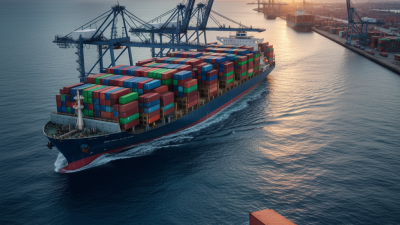
ISO containers are pivotal in modern logistics and transportation. According to a report by the International Maritime Organization, over 90% of global trade relies on container shipping. This statistic highlights the importance of ISO containers in ensuring efficient and reliable movement of goods. With standardized dimensions, ISO containers facilitate easy handling and stacking, improving shipping efficiency.
In recent years, the demand for ISO containers has surged, driven by e-commerce growth. The World Trade Organization estimates a 25% increase in containerized cargo from 2020 to 2025. However, challenges remain. Issues such as container shortages and fluctuating shipping costs pose risks for businesses relying on this method. Companies must adapt to these obstacles, ensuring their supply chains remain resilient.
The versatility of ISO containers extends beyond transportation. They serve as temporary storage units and even living spaces. This inherent flexibility makes them valuable in various sectors, including construction and emergency relief. While the benefits are clear, the industry must continuously innovate to address the complexities that arise. The future of ISO containers will depend on adapting to changing global dynamics and environmental considerations.

What is an ISO Container?
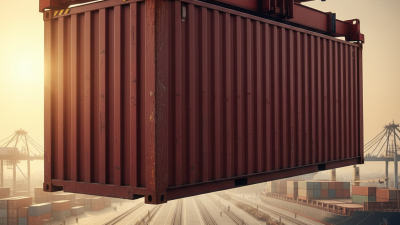
ISO containers are standardized shipping units used worldwide. They are designed to facilitate the transport of goods by sea, land, and air. These containers typically measure 20 or 40 feet in length. They are built from durable materials, primarily steel, which ensures they can withstand harsh conditions. This makes them reliable for global trade.
The versatility of ISO containers is impressive. They can be easily stacked and secured on ships, trucks, and trains. This stacking capability maximizes space efficiency during transport. The uniformity in size and design simplifies logistics for manufacturers and distributors.
However, despite their robustness, they do have limitations. Not every type of cargo fits well within a standard container. Items that are oversized or unusually shaped may require specialized solutions. Moreover, while ISO containers are generally secure, they can be susceptible to wear and tear.
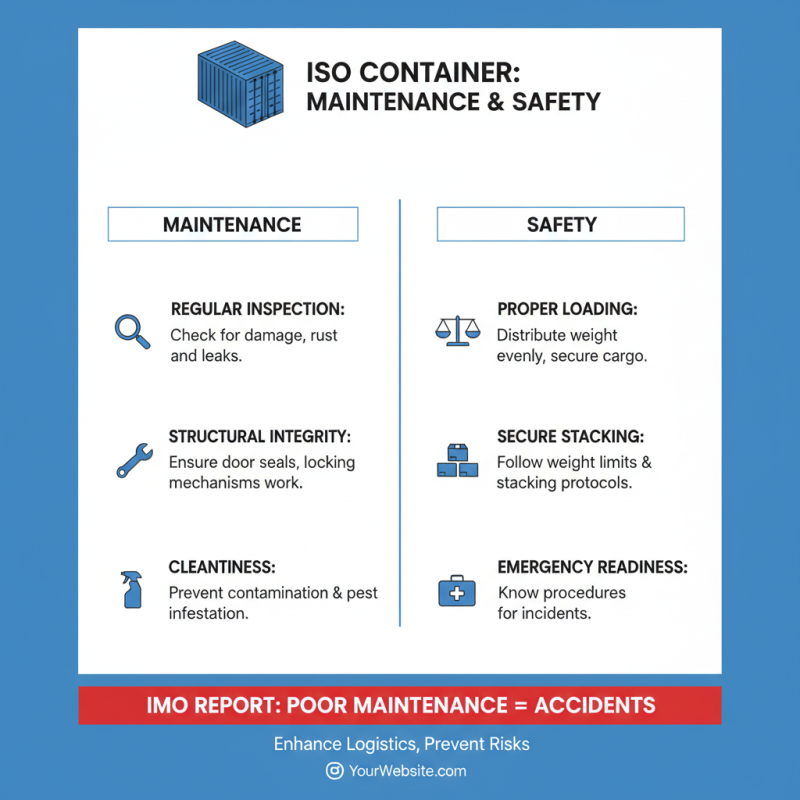
Over time, rust or damage can compromise their integrity. Regular inspections are essential to ensure they remain functional. Not all handlers prioritize these checks, affecting safety. This ongoing challenge highlights the need for continuous improvement in the systems surrounding container management. Addressing these issues is vital for maintaining supply chain reliability.
History and Development of ISO Containers
The concept of ISO containers has a rich history that dates back to the early 1950s. The shipping industry faced many challenges with different container sizes and shapes. This lack of standardization created inefficiencies in global trade. A visionary named Malcolm McLean introduced the idea of a standardized container to streamline the shipping process. His vision was not without challenges, including skepticism from some industry insiders.
In 1961, the International Organization for Standardization (ISO) adopted standards for containers. These standards ensured that containers would be uniform in size and design. The introduction of ISO containers significantly impacted international shipping. They allowed for efficient loading and unloading at ports. However, the transition was not immediate. Many shipping companies had to adapt their infrastructure to accommodate these containers.
As ISO containers gained popularity, they revolutionized supply chains worldwide. They reduced shipping costs and transit times. However, some critics pointed out issues regarding over-reliance on containerization. The process can lead to significant congestion at major ports during peak times. The history of ISO containers serves as a reminder of innovation's complexities in trade and logistics. It continually prompts industry professionals to reflect on the balance between efficiency and the challenges of modern shipping.
What is an ISO Container and How Does It Work? - History and Development of ISO Containers
| Feature |
Description |
History |
| Standardized Sizes |
ISO containers come in standardized sizes of 20ft, 40ft, and 45ft lengths, ensuring compatibility across various transportation methods. |
Introduced in the early 1960s, standardized sizes significantly improved global shipping efficiency. |
| Intermodal Transport |
ISO containers are designed for intermodal transport, making it easy to transfer goods between ships, trucks, and trains. |
The concept emerged in the 1950s, leading to the first modern shipping container used for intermodal transport. |
| Durability |
Made from COR-TEN steel, ISO containers are built to withstand harsh environmental conditions. |
The focus on durable materials has evolved from the need for robust transport solutions since their inception. |
| Security Features |
ISO containers often have locking mechanisms that provide enhanced security against theft and tampering. |
In the late 1990s, security enhancements became a priority due to increased concerns over cargo safety. |
| Reusability |
Once used for shipping, ISO containers can be repurposed for storage, housing, or other applications. |
The concept of reusing containers was popularized in the 2000s, promoting sustainability in shipping. |
Key Features and Specifications of ISO Containers
ISO containers are standardized shipping units used globally. These containers have specific features and dimensions that facilitate efficient transport and storage. Typically made of steel, they are designed to resist harsh weather conditions. Their robust construction ensures that cargo remains secure during transit.
The common sizes for ISO containers include 20-foot and 40-foot variants. Each type has a unique maximum cargo weight, which must be adhered to for safe shipping. The containers are also stackable, allowing for optimized space utilization at ports. Additionally, they come with various locking mechanisms to prevent unauthorized access.
One notable feature is the corner casting. This allows for easy handling with cranes and other equipment. However, not all containers are created equal. Variances in manufacturing can lead to structural differences. Over time, this may affect durability and performance. Regular inspections can help identify potential issues, yet they are often overlooked. It's crucial to remain vigilant about container conditions to ensure safety and efficiency in logistics.
ISO Container Dimensions and Capacities
This bar chart illustrates the volume capacities of different ISO container types, showcasing their sizes in cubic meters. The standard types include 20 ft, 40 ft, and high cube variations.
How ISO Containers are Used in Shipping and Logistics
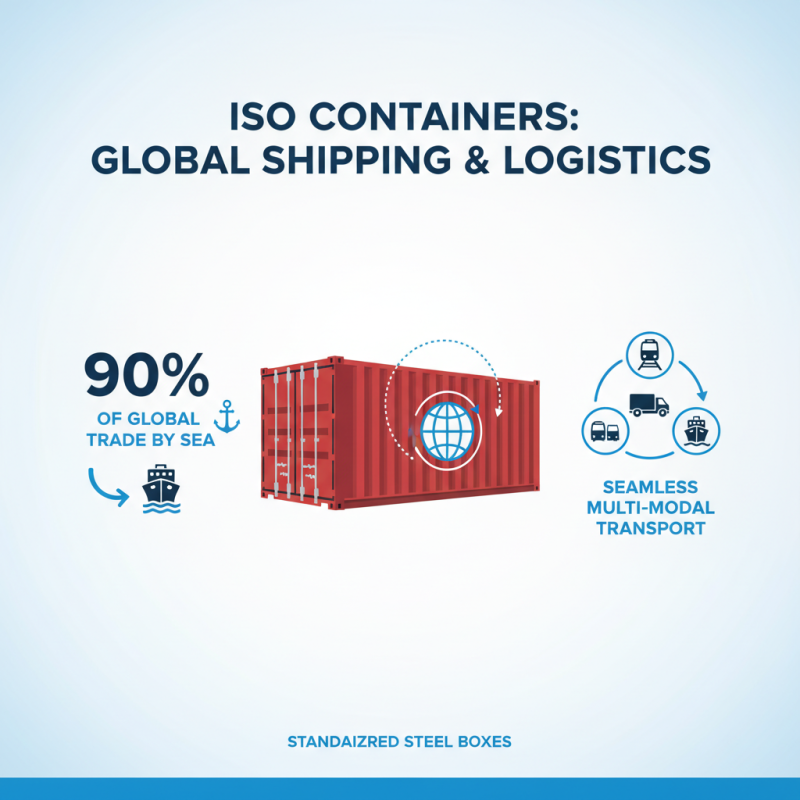
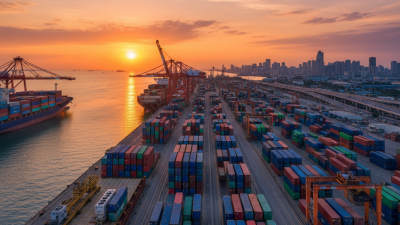
ISO containers are vital in global shipping and logistics. These standardized steel boxes simplify the transport of goods across various modes of transport. According to a report by the International Maritime Organization, over 90% of trade is carried by sea. ISO containers play a major role in this process.
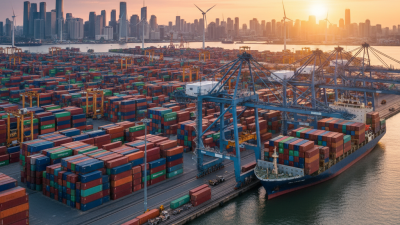
Shipping lines and freight forwarders rely on ISO containers for their efficiency. The containers are designed for easy loading and unloading, minimizing time spent in ports. Statistics reveal a rise in containerization, with over 1.8 billion TEUs (twenty-foot equivalent units) handled in recent years. This growth highlights the importance of standardization in streamlining international supply chains.
However, challenges persist. Not all ports are equipped to accommodate larger container ships, limiting accessibility. Additionally, varying customs regulations can slow down transport times. Industry experts suggest that improving infrastructure and harmonizing regulations could enhance the effectiveness of ISO containers even further.