What to Know About ISO Containers for Global Procurement?
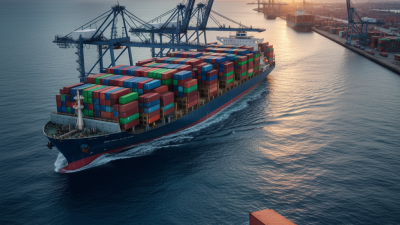
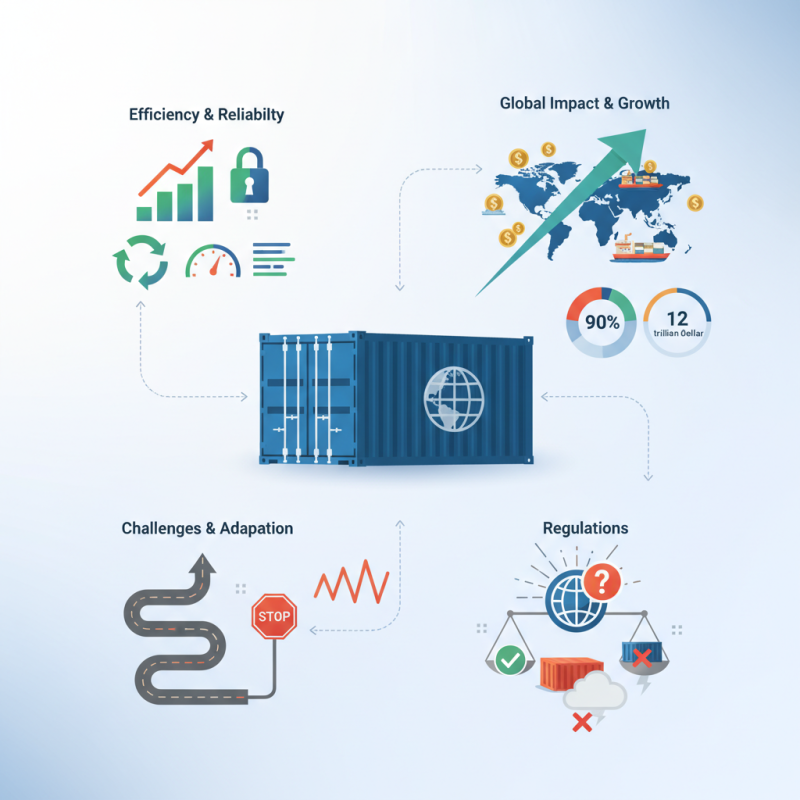
ISO containers have transformed global procurement, becoming essential for efficient logistics. According to a 2022 report by the International Container Shipping Association, over 90% of global trade is carried by sea, with ISO containers playing a pivotal role in this process. Industry expert Dr. Anna Liu emphasizes, "The reliability and standardization of ISO containers streamline supply chains, reducing costs and improving delivery times."
The growing demand for ISO containers is evident. In 2021, global container trade was valued at $12 trillion. As companies expand their reach, understanding the intricacies of ISO containers is crucial. These containers not only ensure the safe transport of goods but also contribute to sustainability by promoting reuse and recycling.
However, reliance on ISO containers is not without challenges. Delays at ports, fluctuating shipping costs, and varying regulations can complicate procurement strategies. As organizations adapt, it's important to assess both the advantages and potential drawbacks of using ISO containers in a global context.
Understanding ISO Containers: Definition and Purpose
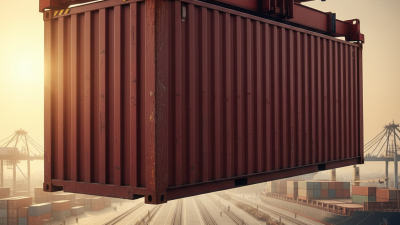
ISO containers are standardized shipping containers designed to transport goods globally. Their uniform size and structure ensure compatibility with ships, trains, and trucks worldwide. According to a 2023 report by the International Transport Forum, over 90% of non-bulk cargo moves in ISO containers, highlighting their global importance. These containers protect products from weather and theft during transit, reducing damage and loss risks.
The standard dimensions, such as 20-foot and 40-foot lengths, simplify logistics and stacking efficiency. This standardization helps companies reduce costs and improve supply chain predictability. However, certain challenges remain, like container shortages and uneven distribution, impacting delivery times. The World Shipping Council noted a 15% increase in container shipping delays caused by these issues in 2023.
Despite these flaws, ISO containers remain essential for global procurement. Businesses rely on their reliability and efficiency to move goods internationally. Understanding their purpose can help procurement teams better plan and adapt to supply chain disruptions. Still, the industry must address current bottlenecks to enhance container agility and availability.
Types of ISO Containers Used in Global Procurement
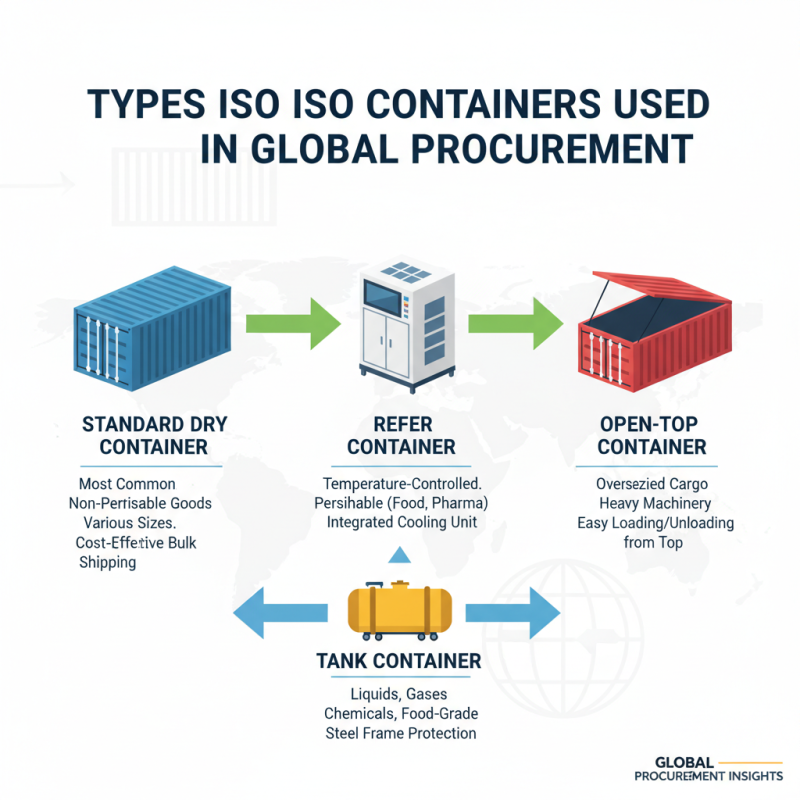
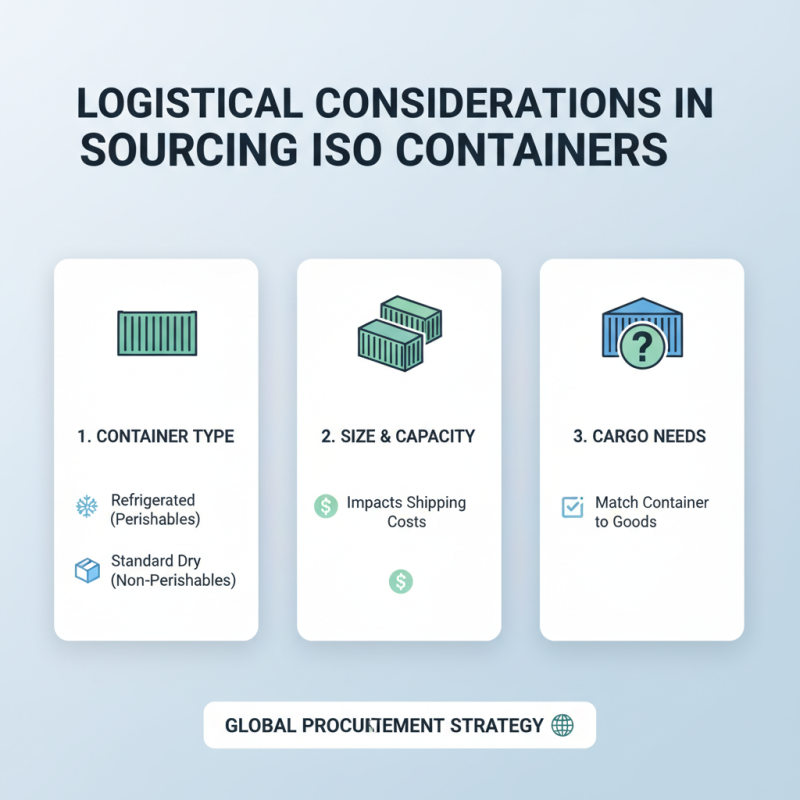
ISO containers are essential in global procurement, serving diverse needs in the shipping industry. There are several types, each catering to specific requirements. Standard dry containers are the most common, ideal for non-perishable goods. They come in various sizes and are cost-effective for bulk shipping.
Reefer containers are temperature-controlled. They are crucial for perishable items, maintaining freshness during transit. Consider insulation and power sources when selecting a reefer. Keep in mind that energy efficiency is vital for reducing costs.
For unique cargo, specialized containers are available. These include open-top, double-door, and flat-rack containers. They accommodate oversized or heavy goods. However, they can be more expensive and may require special handling. Always evaluate your specific needs before selection.
Tips: Always check container conditions before procurement. Inspect for damages and verify specifications. Regular maintenance can prevent unexpected costs. Understand that the logistics of container use can be complicated. Be prepared for challenges, as every shipment can vary.
Key Benefits of Using ISO Containers for Shipping
ISO containers are crucial for global procurement. They provide a standardized method for transporting goods across distances. Their robust design ensures that products are protected from environmental factors. This makes them ideal for a variety of commodities, from electronics to perishables.
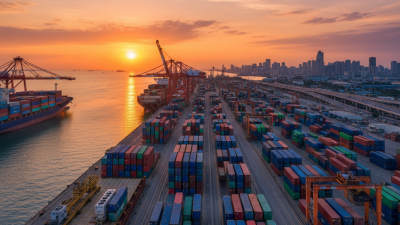
One major benefit of using ISO containers is their efficiency in loading and unloading. They fit seamlessly into shipping vessels, reducing congestion at ports. This speed can translate to lower costs and faster delivery times. Companies can track shipments in real time, enhancing visibility and accountability.
Tip: Always check the condition of the container before shipping your goods. Ensure it’s free from damage and clean, especially when transporting food items.
Another advantage is the sustainability aspect. ISO containers can be reused multiple times, reducing waste in the supply chain. Moreover, their uniform size optimizes space in shipping vehicles. This means fewer trips and a smaller carbon footprint over time.
Tip: Consider using recycled materials for packing inside the container. This adds an eco-friendly touch to your shipping efforts. Aim for a balance between efficiency and environmental responsibility.
Regulatory Compliance and Standards for ISO Containers
ISO containers are essential in global procurement. Regulatory compliance and standards for ISO containers ensure safety and efficiency. According to a 2021 report from the International Organization for Standardization (ISO), nearly 90% of the world's trade is conducted via container shipping. This statistic highlights the importance of adhering to international standards in logistics.
Each ISO container must meet specific criteria. This includes dimensions, durability, and safety features. Compliance with ISO standards reduces risks associated with damage and loss. Transporting goods across borders requires understanding local regulations. Variations may occur in safety inspections and loading protocols. Companies must stay informed about these changes to avoid costly fines.
**Tips:** Regularly train staff on compliance requirements. This improves operational efficiency. Review ISO standards periodically. They may evolve based on industry needs. Consider partnering with experts in logistics. This can streamline your procurement strategy. Ultimately, your understanding of ISO regulations matters greatly in enhancing supply chain resilience.