

Is Your Container Ready?

Get In Contact With Us Today

Is Your Container Ready?

Get In Contact With Us Today

What is an LCL Container and How Does it Work?

In the realm of shipping logistics, the term "LCL container" stands out. An LCL container, or Less than Container Load, is crucial for businesses that need to transport smaller shipments efficiently. According to renowned logistics expert John Smith, “Using an LCL container allows companies to save costs while maximizing their shipping efficiency.” This encapsulates the essence of using LCL services in modern freight processes.

LCL shipping has transformed the way small to medium-sized businesses operate. Rather than filling an entire container, companies can share space with others. This method not only reduces expenses but also minimizes waste. However, it's essential to recognize the challenges that come with LCL containers. Delays may occur due to shared logistics, and tracking can become complex.

Many businesses overlook these aspects in their rush to save costs. Understanding the intricacies of how LCL containers operate is vital. For a successful shipping experience, awareness of potential issues is key. Therefore, evaluating both the benefits and the drawbacks of using an LCL container is necessary for informed decision-making.

What is an LCL Container and How Does it Work?

What is an LCL Container?

LCL stands for Less than Container Load. It is a shipping term that refers to the transportation of smaller shipments that do not fill an entire shipping container. Businesses often use LCL when they have limited cargo. This option allows multiple customers to share space within a single container. According to industry reports, the global LCL market is expected to grow at a CAGR of over 8% from 2023 to 2030, indicating a rising demand.

When using an LCL service, freight is consolidated. This means that several shipments are packed into one container. Further, every shipment is typically charged based on the space it occupies, facilitating cost-effective solutions. However, it can lead to longer transit times due to the process of consolidation and deconsolidation in the port. Additionally, shippers must be aware of potential delays compared to Full Container Load (FCL) options.

Tips: Always plan your shipments in advance. Understand weight limits and dimensions to prevent oversize fees. Consider the timing as LCL may take longer than expected. Keep all documentation ready for a smooth process. Remember, not every shipment is suitable for LCL. Assess your needs carefully to ensure efficiency.
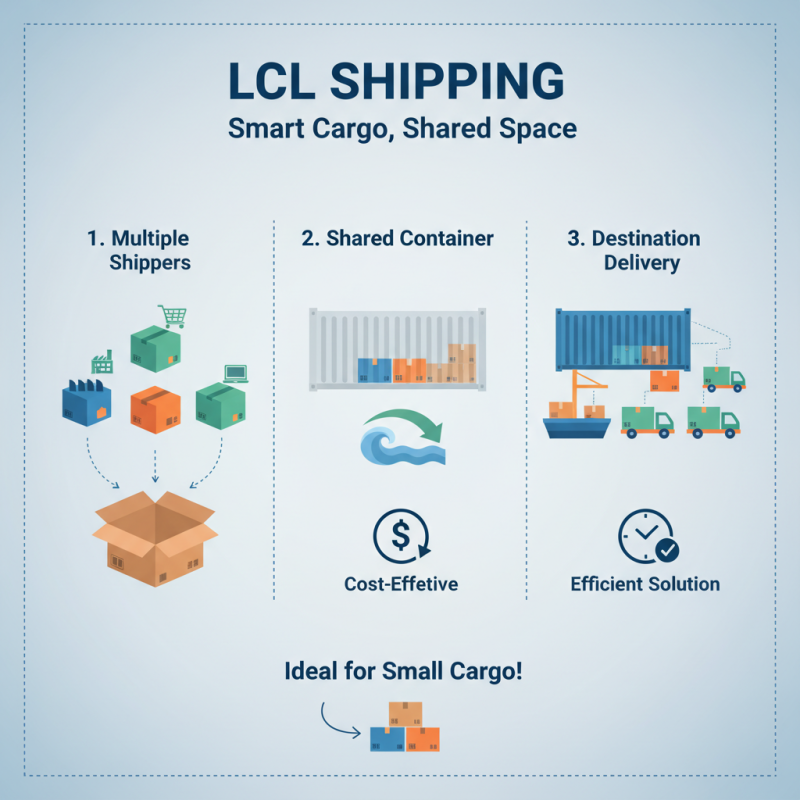
Understanding Less than Container Load (LCL) Shipping

What is an LCL Container and How Does it Work?

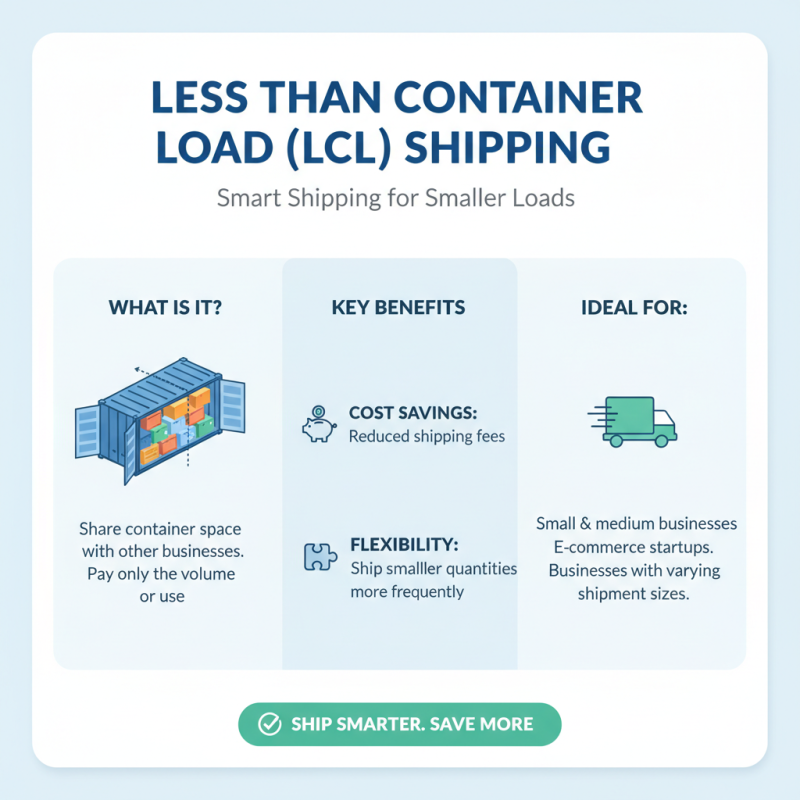
Less than Container Load (LCL) shipping is a popular solution for businesses that don’t need a full container. It allows multiple shipments to share space in one container. This greatly reduces costs for those with smaller loads. The benefits of LCL shipping are significant. You save money and only pay for the space you actually use.

However, there are challenges too. LCL shipments can take longer to consolidate. Multiple shipments must be coordinated, and it may create delays. Additionally, there may be risks of damages during handling. Smaller shipments can sometimes be more fragile. Thus, proper packing is essential to prevent issues.

Overall, LCL shipping is beneficial for many companies. It is cost-effective and flexible. Yet, careful planning is crucial. Understanding the trade-offs in costs and time is necessary. Ensure you weigh these factors before choosing LCL for your shipping needs.

How LCL Containers Function in Freight Transport

What is an LCL Container and How Does it Work?

LCL, or Less than Container Load, is a shipping method used for small cargo. It allows multiple shipments from different clients to share space in a single container. This approach is ideal for businesses that don’t have enough goods to fill an entire container. It’s a cost-effective solution for many shippers.

When it comes to LCL containers, efficiency is key. Freight forwarders consolidate different shipments. These are then packed into one container. Each shipment is carefully labeled and documented. Tracking becomes more challenging with multiple shipments. Errors can happen, leading to delays.

LCL service often involves several steps. Once the goods arrive at the port, they are unloaded. The freight forwarder then sorts them based on their destination. This process can be time-consuming. Sometimes, unexpected delays occur due to customs processing. Coordination is vital in this scenario. Overall, LCL containers provide access to global markets but require precise planning and communication.

Key Benefits of Using LCL Containers for Shipping

Shipping goods efficiently is crucial for businesses. LCL, or Less than Container Load, containers offer significant advantages. They allow companies to share container space with others, which reduces shipping costs, especially for smaller shipments. Reports indicate that LCL shipments can save businesses up to 30% on freight costs. This is especially beneficial for small to medium-sized enterprises.

The flexibility of LCL containers is noteworthy. They accommodate varying shipment sizes without requiring a full container. According to industry data, LCL shipping speeds up logistics timelines. This is essential for businesses that need faster delivery. However, LCL also comes with potential drawbacks. Transit times can be longer due to consolidation and deconsolidation processes. Additionally, the risk of damages may increase when goods are handled multiple times.

Another critical benefit is access to global markets. Companies can export goods without investing in a full container. A study by a logistics firm highlighted that 65% of businesses prefer LCL for international shipping. This preference is growing as e-commerce expands. Businesses are rethinking their shipping strategies. Cost and efficiency are becoming paramount in today’s competitive marketplace.

Common Uses and Scenarios for LCL Shipping Solutions

LCL, or Less than Container Load, is an ideal solution for many shipping needs. Businesses often utilize LCL shipping when they do not have enough cargo to fill an entire container. This method allows multiple shipments from different sellers to share a single container. It’s cost-effective and efficient. Companies can reduce costs while still sending goods internationally.

Common scenarios for LCL shipping include small manufacturers, online retailers, and e-commerce businesses. A small manufacturer may need to send a few pallets of products. Instead of waiting to accumulate a full container, they can opt for LCL shipping. An online retailer might also have frequent small orders. This way, they can ship goods without booking a whole container.

However, LCL shipping is not without its challenges. Transit times can be longer due to handling at various ports. Delays may occur while waiting for other shipments to consolidate. Additionally, there is a risk of damage during loading and unloading. Therefore, careful packaging is essential. Businesses must weigh these factors when considering LCL solutions. The benefits are clear, yet the drawbacks require careful thought.

Call Now Button