

Is Your Container Ready?

Get In Contact With Us Today

Is Your Container Ready?

Get In Contact With Us Today

Understanding LCL Container Shipping Benefits and Cost Savings for Your Business

In the ever-evolving landscape of global trade, businesses continuously seek efficient and cost-effective shipping solutions to optimize their logistics operations. One such solution gaining increasing attention is LCL container shipping, which stands for Less than Container Load. This method allows businesses to share container space, making it an ideal choice for smaller shipments that do not warrant an entire container. By leveraging LCL container services, companies can significantly reduce shipping costs while benefiting from increased flexibility and faster transit times.

Understanding the intricacies of LCL container shipping is essential for businesses looking to maximize their operational efficiency and minimize expenses. As organizations navigate the complex dynamics of international shipping, recognizing the advantages of LCL can empower them to make informed decisions tailored to their unique needs. This article will delve into the benefits and cost savings associated with LCL container shipping, providing valuable insights for businesses striving to enhance their supply chain strategies. Through a comprehensive understanding of LCL container shipping, companies can not only streamline their shipping processes but also unlock opportunities for growth in the competitive global market.

Understanding LCL Container Shipping Benefits and Cost Savings for Your Business

Benefits of LCL Container Shipping for Businesses

LCL (Less than Container Load) container shipping offers numerous benefits for businesses looking to optimize their shipping strategies. One of the primary advantages is cost efficiency. According to a report from the International Maritime Organization, LCL shipping can reduce overall shipping costs by approximately 20-30% compared to full-container load (FCL) shipping. This is particularly beneficial for small to medium-sized enterprises that may not have enough cargo to fill an entire container. By sharing container space with other shipments, businesses can significantly lower their freight expenses while still ensuring timely delivery of their goods.

Additionally, LCL shipping allows for greater flexibility in inventory management. A study from the World Bank highlights that LCL services enable businesses to respond more rapidly to market demands without the burden of holding excessive stock. This adaptability is crucial in today’s fast-paced business environment, where consumer preferences can change rapidly. By utilizing LCL shipping, companies can ship smaller quantities more frequently, aligning their inventory levels with actual sales patterns and reducing the risk of overstock and associated costs. The combination of cost savings and increased flexibility makes LCL an appealing option for businesses aiming to enhance their supply chain efficiency.
Cost-Effectiveness of LCL Shipping Compared to FCL

When considering shipping options, businesses often face the dilemma of choosing between Less than Container Load (LCL) and Full Container Load (FCL) services. LCL shipping is particularly appealing for companies that do not have enough cargo to fill an entire container. By allowing multiple shippers to share container space, LCL reduces overall shipping costs, making it a cost-effective solution for smaller shipments. This flexibility in shipping volumes means that businesses can optimize their supply chain without the burden of excess inventory or high shipping fees associated with FCL.

Cost-effectiveness is a key advantage of LCL compared to FCL. For businesses that frequently ship small quantities, the costs associated with renting an entire container can be prohibitive. LCL allows companies to pay only for the space they occupy within a container, rather than the fixed rate of a full container. This pricing structure can lead to significant savings, especially for seasonal or fluctuating demands.

Additionally, LCL shipping typically involves lower upfront costs and reduced storage needs, freeing up working capital that can be reinvested into the business. By leveraging LCL, companies can effectively manage their logistics while maintaining a competitive edge in the market.

Key Considerations When Choosing LCL Container Shipping

When considering LCL (Less than Container Load) container shipping for your business, various key factors can influence your decision-making process. One primary consideration is the overall cost-efficiency of utilizing LCL shipping services. According to a report by the International Maritime Organization, businesses that opt for LCL shipping can save upwards of 20-30% compared to full container loads, particularly for smaller shipments. This cost-effectiveness allows businesses to allocate resources more efficiently, which is crucial for maintaining competitive pricing and improving cash flow.

Another important aspect is the flexibility that LCL shipping offers. Unlike FCL (Full Container Load) shipping, LCL allows companies to ship smaller quantities, easing inventory burdens and minimizing warehousing costs. A survey by the Logistics Management Association highlights that around 45% of companies prefer LCL for its scalability, enabling them to adjust shipment sizes according to demand fluctuations without incurring hefty freight charges associated with underutilized full containers. Additionally, transit times can also play a role in decision-making, as expedited LCL services can meet urgent delivery timelines, aligning logistics operations with customer expectations. By evaluating these factors, businesses can make informed decisions that align their shipping strategies with overall operational goals.

How LCL Shipping Supports Flexible Supply Chain Management

Understanding LCL Container Shipping Benefits and Cost Savings for Your Business

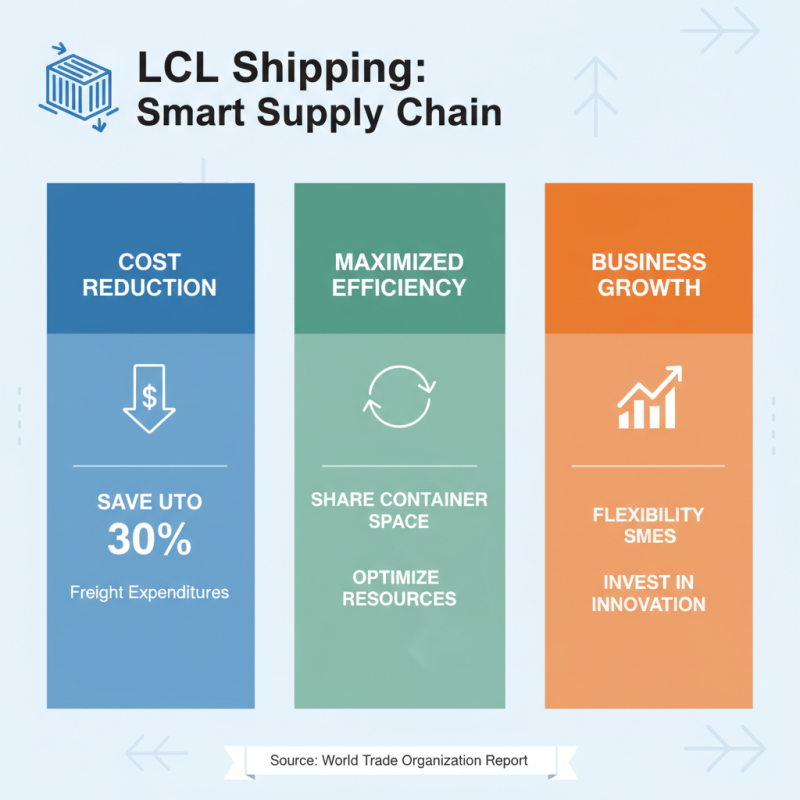
LCL (Less than Container Load) shipping is increasingly recognized as a flexible solution for businesses aiming to optimize their supply chain management. This approach allows multiple shippers to share container space, which not only reduces shipping costs but also maximizes efficiency. According to a report by the World Trade Organization, companies that utilize LCL services can cut their freight expenditures by up to 30%, particularly beneficial for small to medium-sized enterprises that may not have enough volume for full container loads. This cost-effectiveness enables businesses to allocate resources to other critical areas, such as inventory management and marketing initiatives.

Moreover, LCL shipping supports dynamic supply chains by facilitating just-in-time inventory systems. Businesses can receive smaller, more frequent shipments that align with demand fluctuations, thereby minimizing inventory holding costs. A study from the International Journal of Logistics Management underscores that companies implementing flexible shipping methods, including LCL, report a 15% increase in inventory turnover rates. This agility in logistics aids businesses in responding swiftly to market changes and customer demand, enhancing their competitive edge in an ever-evolving marketplace. By adopting LCL shipping, companies not only benefit economically but also adapt more readily to the complexities of modern supply chain dynamics.

Best Practices for Maximizing LCL Shipping Efficiency

Understanding LCL Container Shipping Benefits and Cost Savings for Your Business

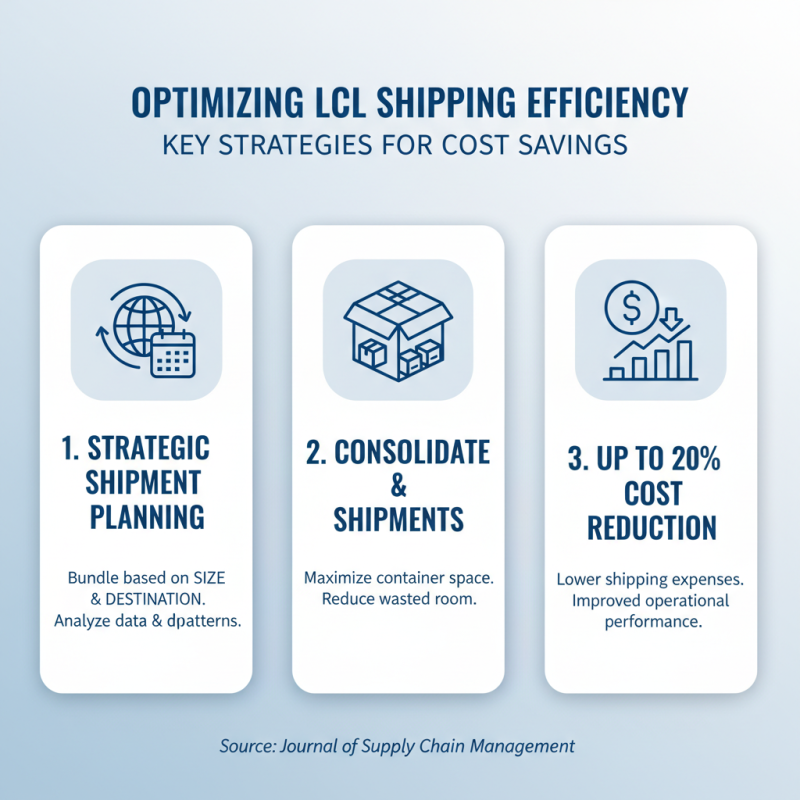
When it comes to optimizing LCL (Less than Container Load) shipping efficiency, businesses can adopt several best practices that not only enhance operational performance but also lead to significant cost savings. One key strategy is meticulous planning of shipments. According to a report by the Journal of Supply Chain Management, companies that strategically bundle shipments based on size and destination can reduce costs by up to 20%. By analyzing shipping data and understanding demand patterns, businesses can consolidate smaller shipments to make the most of LCL options, thereby minimizing wasted space in containers and lowering shipping expenses.

Moreover, leveraging technology for freight tracking and management can significantly enhance the LCL shipping process. A study by the International Freight Forwarders Association revealed that businesses using transport management systems (TMS) to monitor their shipments experienced a 15% increase in efficiency. These systems enable firms to keep track of shipment status in real-time, streamline communication with logistics providers, and adjust shipping strategies as needed. Additionally, utilizing predictive analytics can help companies forecast shipping needs more accurately, reducing last-minute shifts that can lead to higher costs and inefficiencies.

Finally, establishing strong relationships with logistics providers can lead to better rates and improved service levels. A collaboration report by Logistics Management highlighted that businesses that actively engage with their freight forwarders see a 17% improvement in shipping reliability. By negotiating terms and developing partnerships, businesses can gain insights on best practices and possible cost-saving opportunities, all of which contribute to a more efficient LCL shipping strategy.

Call Now Button