What is a Secure Shipping Container and How Does It Work
In an increasingly globalized economy, the importance of secure transportation of goods cannot be overstated. The demand for secure shipping containers has surged, driven by concerns over theft, damage, and loss during transit. According to a report by the International Maritime Organization, the number of cargo theft incidents has escalated, emphasizing the need for enhanced security measures in the shipping industry. Secure shipping containers are designed not only to transport goods but also to provide robust protection against potential threats that can compromise the integrity of shipments.
The functionality of secure shipping containers lies in their advanced locking mechanisms, reinforced structures, and innovative tracking technologies. These containers are built to withstand harsh environmental conditions, ensuring that the contents remain safe and secure throughout the shipping process. Current industry reports suggest that the adoption of secure shipping containers can reduce losses from theft and damage by up to 50%, providing a compelling argument for their implementation across logistics networks. As businesses continue to navigate the complexities of supply chain management, the role of secure shipping containers becomes increasingly critical in safeguarding assets and maintaining operational efficiency.

Definition and Purpose of Secure Shipping Containers
Secure shipping containers are specialized cargo containers designed to ensure the safety and integrity of goods during transportation. These containers serve a critical purpose in international trade, providing protection against theft, tampering, and environmental factors. The International Maritime Organization reported that in 2020, nearly 80% of global merchandise trade by volume was transported via shipping containers, highlighting the need for security measures in this pivotal sector.
The main features of secure shipping containers include reinforced locks, tamper-evident seals, and high-grade materials that resist unauthorized access. According to a report from the International Cargo Security Council, theft of cargo in transit can lead to losses exceeding $30 billion annually, emphasizing the importance of these secure solutions. Additionally, secure shipping containers are often equipped with tracking technology, which allows real-time monitoring of cargo during transit, thus reducing loss and ensuring accountability.
In summary, the design and purpose of secure shipping containers play a significant role in safeguarding assets in the global logistics chain. As various industries increasingly depend on the reliability of shipping solutions, the demand for enhanced security measures continues to grow, pushing innovations in container technology to meet the evolving needs of the market.
Key Features of Secure Shipping Containers
Secure shipping containers are essential for ensuring the safety of goods during transportation. One of the key features of these containers is their robust construction. Built from high-quality steel, secure shipping containers are designed to withstand extreme weather conditions, tampering, and physical impacts. This durability not only protects the contents inside but also ensures that the containers can be safely stacked and transported across various modes of transport.
Another significant feature is the advanced locking mechanisms employed in secure shipping containers. Most containers come equipped with heavy-duty locks and innovative security features, such as tamper-proof designs and integrated alarm systems. These mechanisms deter theft and unauthorized access, providing peace of mind to shippers and receivers alike. Additionally, many secure containers incorporate tracking technology, allowing real-time monitoring of their location, which enhances security and accountability throughout the shipping process.
What is a Secure Shipping Container and How Does It Work - Key Features of Secure Shipping Containers
| Feature |
Description |
Benefits |
| Robust construction |
Made from high-quality steel to resist tampering and weather conditions |
Prevents theft and damage, ensuring the safety of transported goods |
| Advanced locking systems |
Features high-security locks that are resistant to picking and forced entry |
Increases security against unauthorized access |
| Tracking technology |
Equipped with GPS and RFID for real-time tracking |
Enables monitoring of container location and status |
| Customizable interior |
Configurable space for different types of cargo |
Maximizes space usage and protects cargo efficiently |
| Weather resistance |
Designed to withstand severe weather conditions |
Protects contents from moisture, temperature fluctuations, and UV damage |
How Secure Shipping Containers Work Mechanically
Secure shipping containers are designed with various mechanical features that enhance their safety and integrity during transportation and storage. These containers often incorporate reinforced steel construction, tamper-resistant locks, and weatherproof seals. According to a report by the International Maritime Organization, nearly 90% of global trade is carried by ship, which emphasizes the importance of secure shipping solutions to protect cargo from theft and damage.
Mechanically, secure shipping containers utilize multi-layered locking systems that can withstand forced entry attempts. Many containers also feature built-in alarm systems that can alert users to unauthorized access. A study from the Logistics Management Journal indicated that transport-related thefts account for an estimated $30 billion annually, highlighting the need for robust security measures. Moreover, advanced technologies such as GPS tracking and remote monitoring systems are increasingly being integrated into shipping containers, providing real-time data on their location and status.
Tips: When selecting a shipping container for your logistics needs, ensure it is certified for international shipping standards. Regularly inspect the locks and seals for wear and tear, and consider investing in additional security options like tracking devices. Additionally, always keep an inventory list of your cargo for efficient management and verification during transit.
Security Features of Shipping Containers
Benefits of Using Secure Shipping Containers for Transportation
Secure shipping containers play a crucial role in the safe transportation of goods across various industries. One of the primary benefits of using these containers is their robust construction, designed to withstand harsh environmental conditions and potential security threats. Made from durable materials, secure shipping containers are resistant to corrosion, impact, and tampering, ensuring that the cargo within remains intact and protected during transit. This resilience not only safeguards the products but also reduces the likelihood of losses due to damage or theft.
Another significant advantage of secure shipping containers is their adaptability to different shipping modes, whether by land, sea, or air. This flexibility allows businesses to optimize their logistics operations, seamlessly transferring goods from one transport method to another without compromising security. Additionally, many secure containers come equipped with advanced locking mechanisms and monitoring systems, providing real-time data on their location and condition. This heightened level of security gives companies peace of mind, knowing that their valuable shipments are closely monitored and that they can respond quickly to any potential issues that may arise during transportation. Overall, utilizing secure shipping containers enhances safety, efficiency, and accountability in the supply chain.
Best Practices for Maintaining Secure Shipping Containers
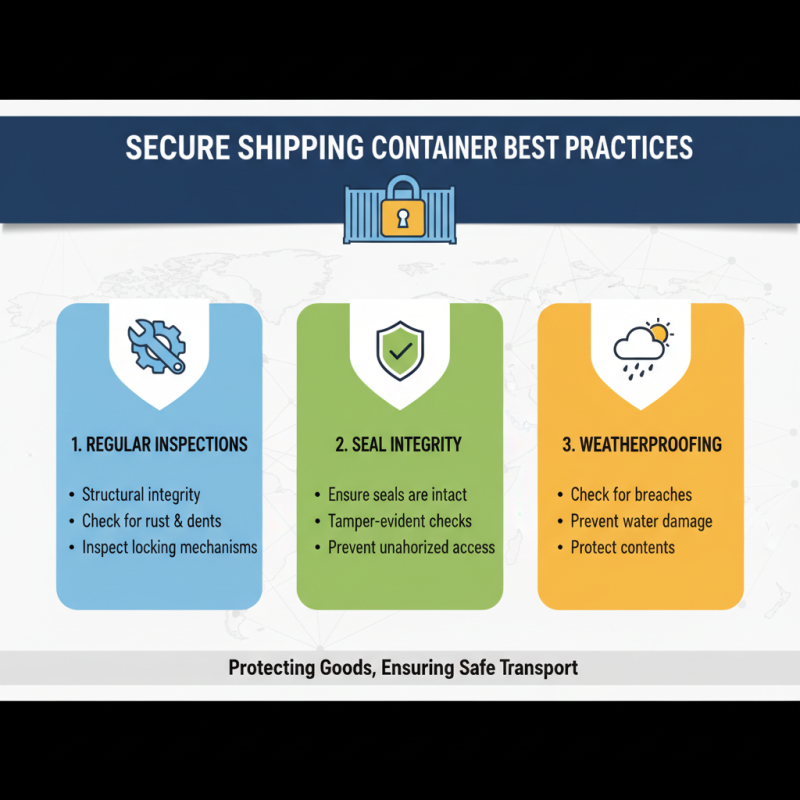
Maintaining secure shipping containers is essential for protecting valuable goods during transport and storage. One of the best practices is to conduct regular inspections of the container's structural integrity. This includes checking for any signs of wear and tear, such as rust, dents, or compromised locking mechanisms. Ensuring that seals are intact and that the container is weatherproof can help prevent any environmental damage to the contents inside.
Another crucial aspect of securing shipping containers involves implementing access control measures. Only authorized personnel should have access to the containers, which can be achieved by using robust locking systems and security seals. Additionally, employing surveillance technology, such as cameras and motion detectors, can further enhance the security of the shipping containers. Establishing a log system for all entries and exits can help track access and ensure accountability.
It is also beneficial to create a detailed inventory of all items stored within the container. This practice not only aids in identifying any discrepancies in stored goods but also streamlines the process in case an audit is necessary. By combining physical security measures with thorough documentation, organizations can effectively maintain secure shipping container environments, safeguarding their assets throughout the shipping process.