

Is Your Container Ready?
Get In Contact With Us Today
Is Your Container Ready?
Get In Contact With Us Today
Top Used Small Excavator Buying Guide for Global Buyers?
When considering a Used Small Excavator, buyers navigate a complex market. These machines are essential for various construction tasks. They offer versatility, efficiency, and cost-effectiveness. However, purchasing a used model can be daunting.
Potential buyers need to understand key factors. Quality matters significantly. Inspecting the equipment's condition is crucial. Look for signs of wear and tear. Maintenance records provide insight into its history. Additionally, verify the hours of operation. These details are essential in assessing value.
Many buyers overlook the importance of research. Understanding market prices is vital before making a purchase. It's wise to compare different brands and models. Some models may have a better reputation for durability. Buyers should also consider the availability of parts and service support. This knowledge can lead to a more informed decision. Making careful choices can avoid costly mistakes when buying a Used Small Excavator.
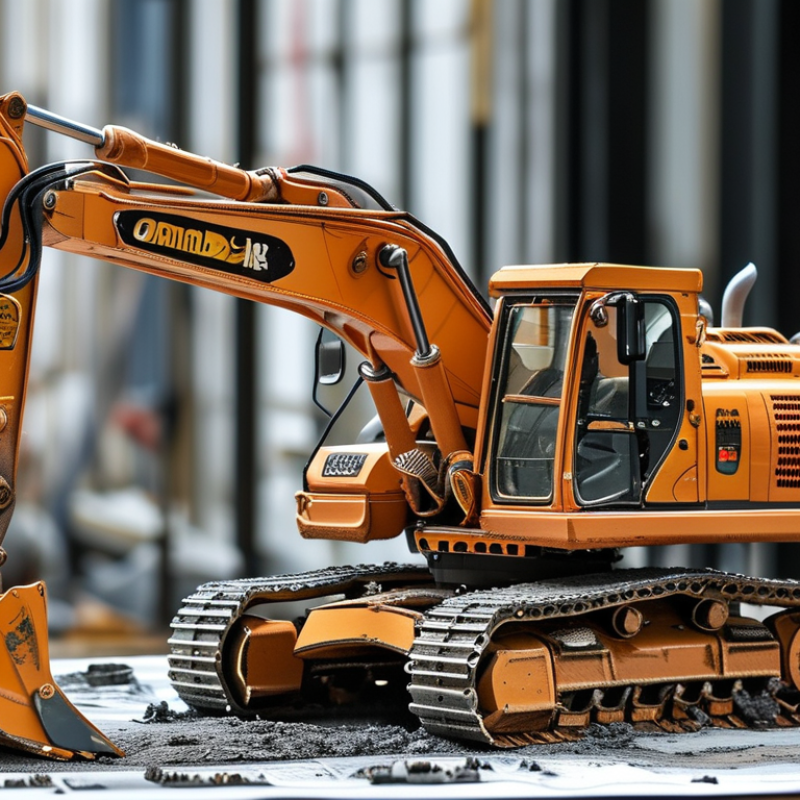
Understanding the Importance of Small Excavators in Construction Industry
Small excavators play a crucial role in the construction industry, providing flexibility and efficiency. Their compact size allows them to work in tight spaces where larger equipment cannot operate. According to a report by Technavio, the global small excavator market is expected to grow by 3.2% annually, indicating a rising demand for these versatile machines.
In urban construction projects, small excavators are indispensable. They can navigate narrow streets and work on delicate sites without disturbing surrounding areas. This adaptability is vital for tasks like trenching, grading, and landscaping. Notably, a study from Allied Market Research states that the demand for mini-excavators will exceed $3 billion by 2027. This surge reflects their importance in various applications, from residential projects to infrastructure development.
However, potential buyers should consider several factors. The operational capacity varies significantly across models, and selecting the right size is vital. Some buyers may overlook maintenance costs, which can affect long-term investment. Understanding these nuances is essential to make an informed decision. Adopting an analytical approach will help identify the most suitable equipment for specific project needs.
Key Features to Consider When Buying a Small Excavator
When considering the purchase of a small excavator, several key features are vital for making an informed decision. These machines are commonly used in construction, landscaping, and utility work. According to industry data, compact excavators with operating weights under 10,000 pounds are gaining popularity due to their versatility and ease of transport.
One essential feature to evaluate is the digging depth. Most small excavators typically offer a digging depth ranging from 6 to 12 feet. Understanding your project requirements helps in selecting the right model. Additionally, consider the machine’s horsepower. Higher horsepower machines often provide better performance, especially on challenging terrains.
Tip: Always assess the machine's maintenance history. A well-maintained excavator can save you money in the long run.
Another factor to think about is the hydraulic system. Efficient hydraulic systems can enhance productivity and reduce operational costs. Look for models that provide smooth controls and quick response times. However, not all machines offer these features, so do thorough research.
Tip: Don’t overlook operator comfort. A comfortable seat and easy-to-use controls reduce fatigue, leading to better performance.
The weight of the excavator also plays a crucial role. Heavier models can sometimes compromise maneuverability. Analyze your typical job sites and environment. These details ensure you select a small excavator that fits your specific needs perfectly.
Comparing Different Types of Small Excavators for Various Applications
When considering small excavators, understanding their various types is crucial. Mini excavators are popular for tight spaces. They excel in residential projects, landscaping, and small-scale construction. Many buyers appreciate their versatility. Compact excavators offer more power in a slightly larger frame. They are ideal for demolition and heavy-duty work where mini models fall short.
Crawler excavators provide excellent stability on uneven terrain. They're suitable for heavy lifting or challenging site conditions. Buyers might find them beneficial for agricultural tasks. Rubber tracks allow for minimal ground disturbance. Skid steer excavators bring a unique advantage. Their ability to maneuver in confined areas makes them ideal for urban projects. Operators should consider their attachment options for additional functionality.
Each type has strengths and weaknesses. Mini excavators may lack lifting capacity, while compact models can struggle in tight corners. It’s essential to assess your specific needs and job site requirements. A thorough evaluation can help avoid costly mistakes. Consider job duration and soil conditions, as these factors influence equipment performance. Understanding these details will lead to a more informed purchasing decision.
Budgeting for a Small Excavator: Tips for Global Buyers
When budgeting for a small excavator, it’s crucial to keep your specific needs in mind. Determine the scope of your projects. Will you use the machine for landscaping, construction, or demolition? Knowing your primary uses helps you gauge the required capabilities and limits. Allocating funds for essential features can significantly affect your choice and performance.
Consider not just the purchase price but also ongoing costs. Maintenance, fuel, and potential repairs can add up. Look for machines with good fuel efficiency. Additionally, explore financing options. Some buyers overlook the benefits of leasing versus buying outright. Each option has advantages, depending on your financial situation.
Used small excavators often come with hidden costs. A thorough inspection is vital before any purchase. Underrated problems can lead to expensive repairs. Seek advice from experts or experienced users. Their insights may reveal critical information that impacts your decision. A well-informed choice can save you money and frustration in the long run.
Top Used Small Excavator Buying Guide for Global Buyers
This chart displays the average specifications of small excavators, focusing on four important dimensions: Price Range (in dollars), Operating Weight (in pounds), Horsepower (in HP), and Bucket Capacity (in cubic yards). Understanding these key features can help global buyers make informed purchasing decisions.
Maintenance and Support: Ensuring Longevity of Your Small Excavator
Maintaining a small excavator is crucial for its longevity and optimal performance. Regular inspections are essential. Check the hydraulic fluids, engine oil, and filters frequently. Clean filters can enhance performance, yet many operators overlook this simple task. Neglecting these checks can lead to costly repairs down the line.
Another factor to consider is the maintenance schedule. Small excavators require routine servicing to function effectively. Following the manufacturer's recommendations for maintenance can prevent unexpected breakdowns. However, not all users adhere to these schedules, often underestimating the importance. Ignoring this can result in unnecessary wear and tear.
Operator training also plays a significant role. Proper training ensures that users know how to handle the excavator without causing damage. An untrained operator can unintentionally compromise the machine's performance. Investing in training can save time and money over the long term. Always prioritize safety and proper operation to extend your small excavator’s lifespan.
Top Used Small Excavator Buying Guide for Global Buyers - Maintenance and Support: Ensuring Longevity of Your Small Excavator
| Specifications | Importance | Maintenance Tips | Expected Lifespan (Years) |
|---|---|---|---|
| Operating Weight: 1.5-5 tons | Optimal for small construction sites | Regular oil changes | 5-10 |
| Digging Depth: Up to 3 meters | Essential for various excavation tasks | Inspections after heavy usage | 6-12 |
| Engine Power: 20-50 HP | Critical for performance efficiency | Keep air filters clean | 7-15 |
| Hydraulic System Pressure: 2000-3000 PSI | Key for effective digging and lifting | Check hydraulic fluid regularly | 5-10 |
| Fuel Type: Diesel | Fuel efficiency affects operational costs | Use recommended fuel types | 7-12 |


