Is Your Container Ready?
Get In Contact With Us Today
Is Your Container Ready?
Get In Contact With Us Today
Top Uses of Steel Containers for Storage and Shipping Solutions?
Steel containers have become a vital solution for storage and shipping. Their durability and adaptability make them an essential tool across various industries. These containers are specifically designed to withstand harsh conditions. They protect goods from damage during transport.
Many businesses utilize steel containers for efficient operations. Whether you require storage at a construction site or transporting goods overseas, steel containers deliver reliable performance. They can be modified to meet specific needs, enhancing their functionality. The versatility of these containers allows for creative solutions.
However, not every situation calls for a steel container. It's essential to evaluate the specific requirements of your storage or shipping needs. Factors like cost, weight, and environmental impact should be considered. This reflection can lead to better decision-making for your logistics strategy. Understanding these nuances ensures efficient and responsible use of steel containers.
Top Benefits of Steel Containers in Modern Storage Solutions
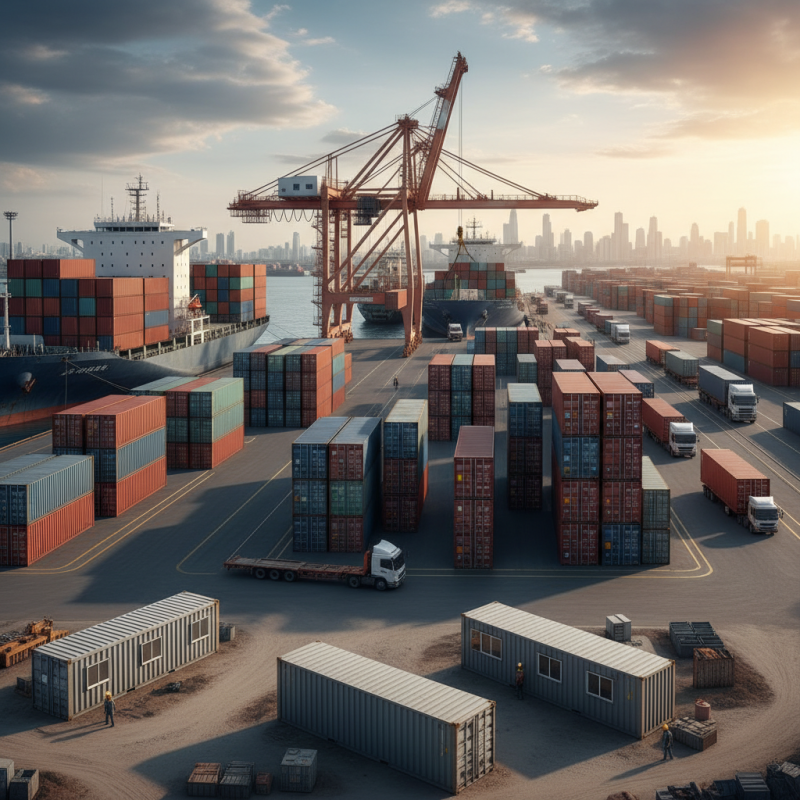
Steel containers have become invaluable in modern storage solutions due to their numerous advantages. Their durability is one of the primary benefits. Made from high-strength steel, they withstand harsh weather and physical impacts. This makes them ideal for both outdoor and indoor storage needs. Businesses often choose steel containers to safeguard their goods against theft and damage. They can hold various items, from industrial equipment to personal belongings.
Another significant advantage is cost-efficiency. Steel containers are reusable and require minimal maintenance over time. They help businesses reduce operational expenses. Moreover, the ability to stack containers safely optimizes space in warehouses and shipping facilities. This aspect is particularly beneficial for companies with limited storage areas.
Despite their many benefits, some challenges exist. Containers can become cumbersome if not managed properly. Mismanagement can lead to access issues or inefficient organization. Planning is essential to avoid these pitfalls. Introducing innovative solutions, like mobile shelving within containers, could enhance usability. Properly utilizing steel containers requires continuous evaluation and adaptation to meet evolving storage needs.
Key Specifications and Standards for Steel Shipping Containers
When it comes to steel shipping containers, understanding specifications is crucial. These containers adhere to strict standards that ensure their durability and safety. For example, the ISO 6346 standard specifies the identification and classification of containers. This includes dimensions, weight limits, and structural integrity. Complying with these standards guarantees that you receive a reliable product that meets global shipping requirements.
Another key specification is the material thickness. Most steel containers use Corten steel, known for its corrosion resistance. This prevents rust and extends the container's lifespan. They typically have a thickness of 1.5 mm to 3 mm. Some may require reinforcement for heavier loads. Understanding these details helps in choosing the right container for your needs.
However, not all containers are created equal. Some may not meet specific standards. It's essential to assess the condition of used containers carefully. Look for signs of wear, rust, or damage. These factors can affect performance. Investing time in this evaluation can prevent future issues and costly repairs.
Impact of Steel Containers on Global Trade and Logistics Efficiency
Steel containers play a critical role in global trade and logistics. Their durability ensures the safe transport of goods across vast distances. These containers withstand harsh environments, protecting items from damage. This reliability boosts efficiency in shipping operations, allowing businesses to meet delivery deadlines.
Moreover, steel containers are stackable and modular. This design maximizes space in shipping yards and on transport vessels. However, not all logistics companies utilize this space effectively. Some still rely on older methods, causing unnecessary delays. Embracing modern practices can streamline the process.
Yet, the challenge remains in standardizing workflows. Differing container sizes can complicate loading and unloading. This may create bottlenecks in busy ports. Companies must continually adapt to evolving market demands. Only then can they leverage the full potential of steel containers in global logistics.
Recycling and Sustainability: The Lifespan of Steel Containers
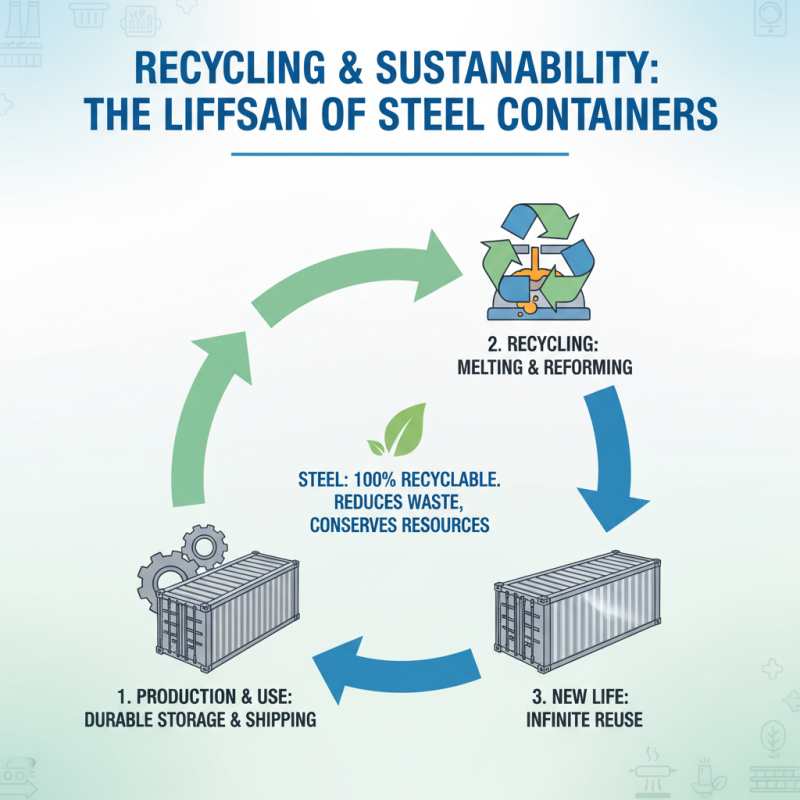
Steel containers are a strong choice for various storage and shipping needs. One critical aspect of these containers is their sustainability. Steel is highly recyclable. When a container reaches the end of its life, it can be repurposed many times without losing its quality. This recycling process significantly reduces waste and conserves natural resources.
Many industries utilize steel containers. Their durability ensures protection against environmental factors. This longevity contributes to less frequent replacements. However, one must reflect on where these containers end up after use. Effective recycling programs are essential to maximize their sustainability impact.
Tips for making the most of steel containers include performing regular inspections and maintenance. Minor repairs can extend their lifespan further. Moreover, consider participating in or supporting local recycling initiatives. This action helps increase awareness and reduces the carbon footprint associated with new container production. Remember, choosing sustainable practices today impacts future generations.
Cost Analysis: Steel Containers vs. Traditional Storage Methods
Steel containers offer a practical solution for storage and shipping. Their durability and efficiency make them a popular choice. When evaluating costs, steel containers often present clear financial benefits compared to traditional storage methods like wood or plastic options. The initial investment in steel is higher. However, these containers last substantially longer, reducing the need for frequent replacements.
Consider maintenance costs as well. Traditional storage solutions may require regular repairs. Steel containers, on the other hand, are built to withstand harsh conditions. They are resistant to rot, pests, and weather damage. This resilience often translates to lower long-term costs. Businesses can save money by choosing steel for their storage needs.
Using steel containers also supports sustainability goals. They are often made from recycled materials, contributing to eco-friendliness. This can enhance a company's reputation and appeal to environmentally conscious customers. Evaluating the total cost of ownership is crucial. Many find that steel containers provide a more reliable and cost-effective solution over time. However, the upfront cost might deter some businesses. Balancing initial expenses against long-term benefits requires careful consideration.
Top Uses of Steel Containers for Storage and Shipping Solutions
| Use Case | Container Size (ft) | Estimated Cost ($) | Traditional Method Cost ($) | Cost Savings (%) |
|---|---|---|---|---|
| Shipping Goods | 20 | 2500 | 3500 | 29% |
| On-Site Storage | 10 | 1500 | 2000 | 25% |
| Temporary Construction Site | 40 | 4000 | 6000 | 33% |
| Exporting Machinery | 40 High Cube | 4500 | 7000 | 36% |
| Custom Modifications (e.g., offices) | 20 | 2800 | 4500 | 38% |
Related Posts
-
How to Choose the Right Steel Container for Your Storage Needs
-

2025 Top Trends in Steel Container Usage and Innovation You Should Know
-

Essential Tips for Sourcing Steel Containers Effectively?
-
Top 10 Steel Container Suppliers in China You Should Know?
-
How to Choose the Right Side Load Shipping Container for Your Needs?
-
How to Choose the Best Refurbished Container for Your Needs?