


Is Your Container Ready?
Get In Contact With Us Today
Is Your Container Ready?
Get In Contact With Us Today
How to Ship a Container Successfully for Global Trade?
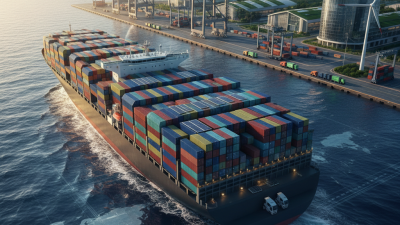
Global trade relies heavily on effective shipping methods. Shipping a container is a vital process for businesses aiming to expand internationally. According to the International Maritime Organization, over 80% of global trade by volume is transported by sea. This statistic highlights the importance of mastering container shipping strategies.
Experts like Sarah Thompson, a renowned logistics consultant, emphasize the challenges involved. She states, “Successful shipping requires meticulous planning and execution.” Inefficiencies in this process can lead to delays and increased costs. Many businesses often overlook details, such as accurate documentation and proper container packing. This negligence can have significant repercussions.
Logistics firms face pressure from ever-evolving regulations and client demands. Continuous improvement in shipping practices is essential. The industry must adapt to new technologies while ensuring reliability and efficiency. Only through a focused approach can companies navigate the complexities of shipping a container successfully. Achieving this goal is crucial for competitiveness in today’s global marketplace.
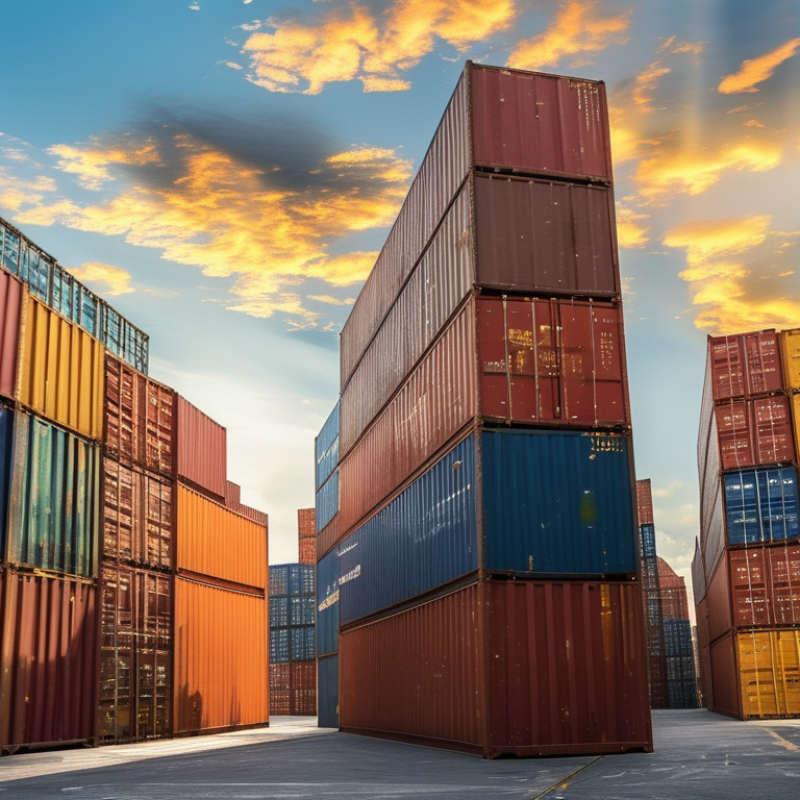
Understanding Global Trade and Container Shipping Basics
Understanding global trade and container shipping basics requires a grasp of some critical data points. In 2021, the global containerized trade volume reached 190 million TEUs (twenty-foot equivalent units), according to the World Trade Organization. This signifies a robust growth, with a projection to reach 245 million TEUs by 2030. Such numbers highlight the increasing demand for efficient container shipping solutions.
Container shipping involves various complexities. Shipping costs fluctuate based on several factors, including fuel prices and shipping routes. In recent times, the cost to ship a container has surged, with average rates increasing by over 300% from 2020 to mid-2021. This volatility can impact budgeting and planning for businesses engaged in international trade. Understanding these factors can help companies make informed decisions.
The logistics involved can be challenging. Container logistics encompass documentation, customs inspections, and tracking. Even slight errors can delay shipments. Hence, businesses must pay attention to every detail. The International Maritime Organization emphasizes the importance of timely and accurate documentation, as failure in this area can lead to hefty fines and delays.
How to Ship a Container Successfully for Global Trade?
| Aspect | Description | Best Practices |
|---|---|---|
| Container Type | Different types of containers available for various goods. | Choose the right container (e.g., dry container, refrigerated container) based on the cargo. |
| Documentation | Essential documentation required for shipping. | Ensure all paperwork (e.g., bill of lading, customs documents) is complete and accurate. |
| Shipping Regulations | Local and international regulations governing shipping. | Stay informed about trade regulations and compliance requirements in both origin and destination countries. |
| Insurance | Coverage for potential damage or loss during transit. | Obtain sufficient insurance coverage suited to the cargo value and shipping method. |
| Tracking | Monitoring the shipping process and location of the container. | Use tracking technology provided by shipping companies to monitor real-time updates. |
| Delivery Logistics | Arrangement for receiving the shipped container at the destination. | Plan for transportation and handling at the destination port in advance. |
Choosing the Right Container Type: Sizes and Specifications
When shipping containers globally, choosing the right container type is crucial. Different sizes and specifications cater to various needs. Standard dry containers are the most common type. They come in 20-foot and 40-foot lengths. These containers are suitable for general cargo. However, they cannot hold items that require temperature control. For perishable goods, reefer containers are necessary. They maintain specific temperatures during transit.
Another option is the open-top container. This type is ideal for oversized cargo that cannot fit through standard doors. It has a removable roof, allowing for easier loading. Flat-rack containers are also a choice for heavy or bulky items. They provide support without walls, but this means they cannot protect goods from the elements.
It's essential to assess your cargo properly. Consider weight, dimensions, and any special requirements. Shipping costs can rise significantly if the wrong container is selected. Underestimating the size can lead to needless expenses and delays. On the other hand, excessive space may waste resources. Finding that balance is key for efficient global trade.
Key Regulations and Documentation Required for Shipping Containers
Shipping containers play a crucial role in global trade. Complying with key regulations and documentation is essential for successful shipping. Each country has unique customs requirements. Understanding these can prevent costly delays. For example, the World Bank reports that trade barriers increase shipping costs by 15% on average.
Documentation is critical. The Bill of Lading serves as the primary contract between the shipper and carrier. Without it, goods may be held up at ports. You also need an Invoice and Packing List. Each document should be accurate to avoid complications. Errors can disrupt supply chains and affect delivery timelines.
Compliance with international standards is non-negotiable. The International Maritime Organization (IMO) has set guidelines for container safety and transport. Non-compliance leads to penalties and delays. Shipping companies must train staff on these regulations. Improving their understanding can lead to smoother processes. A lack of adherence can create logistical nightmares, emphasizing the importance of diligence in documentation and regulations.
Best Practices for Packaging and Labeling for International Trade
When shipping a container internationally, effective packaging and labeling are key. The right packaging ensures products remain intact. Use sturdy materials that can withstand long journeys. Consider the environmental conditions, such as humidity and temperature, which could affect your products. Packing fragile items requires extra care. Add cushioning materials like foam or bubble wrap to minimize movement.
Labeling is just as crucial as packaging. Clear labels help in quick identification during customs checks. Include essential information like destination, product contents, and handling instructions. Failing to provide this can lead to delays or misdirected shipments. Be aware of specific regulations for product labeling in different countries. Sometimes, the details may vary greatly.
Reflect on your previous shipping experiences. Have you faced challenges with packaging or labeling? Analyze what went wrong and how you can improve. Continuous improvement is essential in global trade. Striving for better practices can save time and reduce costs.
Shipping Container Packaging Practices for Global Trade
This chart illustrates the various packaging materials used for shipping containers in international trade, showcasing their respective usage percentages. Proper packaging helps ensure products are delivered safely and efficiently across borders.
Cost Management: Tracking Expenses and Avoiding Hidden Fees in Shipping
Managing costs in container shipping is critical for success in global trade. Hidden fees can quickly escalate expenses. It is essential to be transparent about all expected costs.
When partnering with a shipping company, ask for a detailed breakdown of charges. Ensure you understand what each fee covers. Often, unexpected surcharges arise from documentation errors or service exclusions. Being informed helps in negotiating better rates.
Regularly track your expenses. Keep all invoices and receipts organized. This practice helps identify patterns in spending. It also allows you to challenge questionable fees. Consider using software designed for expense tracking. This tool can simplify budgeting and highlight anomalies.
Always seek clarity in contracts. Some clauses might include additional costs. For example, charges related to port congestion or demurrage fees. Understanding these terms can prevent financial surprises. Cultivating a habit of thorough review can lead to smarter shipping decisions.
Related Posts
-
How to Ship Goods via Container in 2025 for Maximum Efficiency and Cost Savings
-
10 Essential Tips for Managing ISO Containers Effectively?
-
How to Choose the Right Sea Container for Your Shipping Needs
-

Top 10 Best Tips for Shipping a Container Efficiently
-
Why Are Cargo Shipping Containers Essential for Global Trade?
-
2026 Best Container Shipping Options for Efficient Global Trade