Ultimate Tips for Converting Shipping Containers into Stunning Living Spaces
The growing trend of transforming shipping containers into livable spaces has gained significant momentum in recent years, thanks largely to their affordability and adaptability. According to data from the Container Housing Industry Report 2022, the global market for converted container homes is projected to reach $73 million by 2025, reflecting an increasing acceptance of unconventional dwelling solutions. With the standard shipping container costing approximately $2,000 to $5,000 depending on its condition and type, it offers a cost-effective alternative to traditional housing, especially in the face of rising real estate prices and housing shortages.
Moreover, converted containers are not only financially appealing but also environmentally sustainable. The reuse of these structures plays a crucial role in reducing waste, as an estimated 500,000 shipping containers are abandoned each year worldwide. By repurposing these containers, we can alleviate some of the environmental pressures associated with construction and urban development, as confirmed by a 2021 report from the Global Waste Management Association. Thus, not only do converted containers provide an inventive approach to housing, they also contribute positively to sustainability efforts, making them an increasingly popular option for modern living.

Choosing the Right Shipping Container for Your Living Space Design
When considering the transformation of a shipping container into a livable space, selecting the right container is crucial. According to a report by Container360, the demand for shipping container homes has surged by over 35% in the past five years due to their versatility and affordability. However, not all containers are created equal. Factors such as size, condition, and insulation properties play significant roles in ensuring your design vision comes to life effectively.
One tip for choosing the right container is to assess its structural integrity. Opt for one-trip containers, as they have generally endured less stress and wear compared to older options. Additionally, consider the container's dimensions based on your design needs. A standard 20-foot container provides ample space for a compact living area, while a 40-foot version offers additional room for amenities or separate living zones. Insulating the container is vital for climate control, so consider containers that have been pre-equipped with insulation or plan to install it during the conversion process.
Another important aspect is the container's accessibility to utilities. Ensure you select a container that can easily accommodate water, electricity, and sewage connections. According to industry standards, proper access to these utilities can enhance sustainability and efficiency in living spaces. Be mindful of zoning and building regulations in your area; ensuring compliance will save you time and money in the long run, allowing you to focus on creating a stunning and functional living space.
Ultimate Tips for Converting Shipping Containers into Stunning Living Spaces
| Container Type |
Size (ft) |
Condition |
Cost (USD) |
Ideal Uses |
| Standard |
20 |
Used |
1,500 |
Studio, Office |
| High Cube |
40 |
New |
3,000 |
Home, Workshop |
| refrigerated |
20 |
Used |
2,000 |
Food Storage, Kitchen |
| Flat Rack |
40 |
Used |
1,800 |
Outdoor Living, Workshops |
Essential Tools and Materials Needed for Container Conversion
When embarking on a shipping container conversion project to create a stunning living space, it's essential to gather the right tools and materials to ensure a successful transformation. According to the Container Housing Report 2022, the demand for container homes has surged by over 50% in recent years, driven by their affordability and eco-friendly appeal. To kick off your project, you'll need fundamental tools such as a circular saw, an angle grinder, and a welder. These tools will enable you to cut and manipulate the metal container as needed. Additionally, a high-quality measuring tape and laser level are crucial for ensuring accurate dimensions and alignment throughout the construction process.
Beyond tools, selecting appropriate materials is vital for creating a comfortable and functional living environment. Insulation is one of the most important materials, as containers are often susceptible to extreme temperatures. Reports indicate that effective insulation can reduce energy consumption by up to 30%. Options like spray foam or rigid foam panels can provide excellent thermal performance. Moreover, considering ventilation systems like exhaust fans or operable windows is key to maintaining air quality. For interior finishes, plywood and drywall are popular choices, providing a warm aesthetic while ensuring durability. The combination of these essential tools and materials not only ensures structural integrity but also contributes to the overall comfort and livability of your newly converted space.
Essential Tools and Materials for Container Conversion
Step-by-Step Guide to Insulating Your Shipping Container
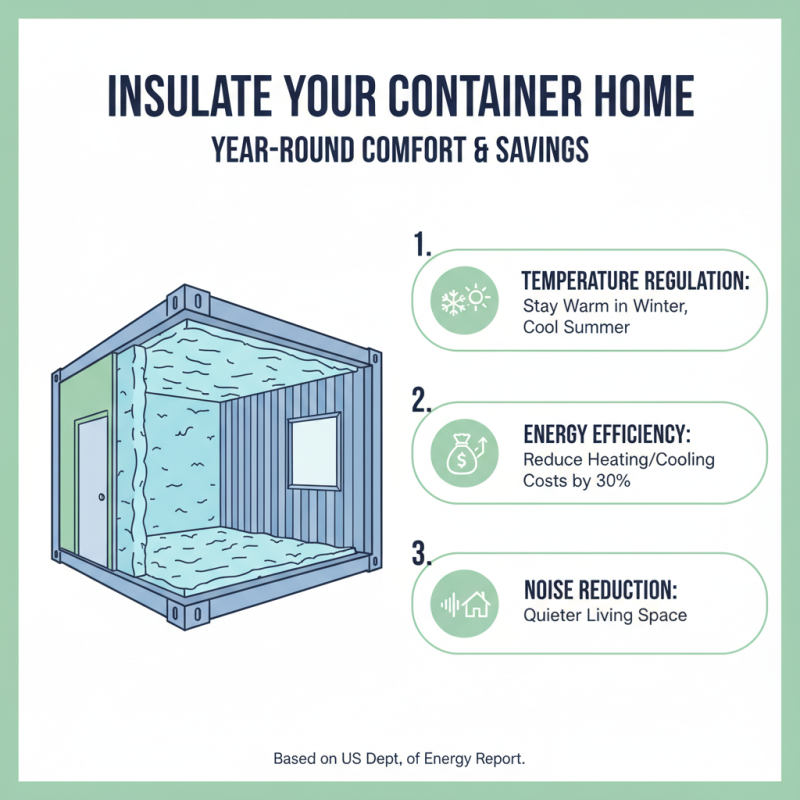
Insulating your shipping container is crucial for creating a comfortable living space that can withstand various weather conditions. According to a report by the U.S. Department of Energy, proper insulation can significantly improve energy efficiency, reducing heating and cooling costs by up to 30%. This is particularly important for shipping containers, which are made of steel and can experience extreme temperature fluctuations. Insulating the walls, ceiling, and even the floor can help regulate temperatures, making the container livable year-round.
To achieve effective insulation, consider using materials that provide high R-values while remaining lightweight. Rigid foam board insulation is an excellent option, offering superior thermal resistance and moisture control. Furthermore, spray foam insulation can also be applied, expanding to fill gaps and create a seal, which helps prevent air leaks. According to the International Energy Conservation Code, achieving an R-value of at least 13 in walls and 30 in ceilings is recommended for maximizing energy efficiency in living spaces. Following these tips not only enhances comfort but also contributes to energy conservation, aligning with sustainable living practices that are increasingly important in modern housing solutions.
Creative Interior Design Ideas for Maximizing Space Utilization
When it comes to converting shipping containers into stylish living spaces, maximizing space utilization is key. According to a report from the Container Home Market, the demand for alternative housing solutions has surged by 30% over the last five years, with many homeowners seeking innovative and efficient designs. Creative interior design strategies can transform the limited square footage of a shipping container into functional and appealing living areas.
One effective approach is to use multifunctional furniture that can adapt to various needs. For instance, a sofa that converts into a bed or a dining table that folds away can significantly enhance usability without overcrowding the space. According to a study by the American Society of Interior Designers, using modular furniture not only augments living space but also allows for more flexible arrangements, making small areas feel larger and more open.
Additionally, incorporating vertical storage solutions is crucial for maximizing space in container homes. Utilizing wall shelves, hanging racks, and tall cabinets can help keep the floor area uncluttered while offering ample room for belongings. A survey from the National Association of Realtors indicates that homeowners prioritize organized and efficient storage in small living spaces, and container homes can achieve this with savvy design choices. By focusing on innovative interior design ideas, converting shipping containers into stunning living spaces can become an enjoyable and rewarding project.
Understanding Building Codes and Regulations for Container Homes
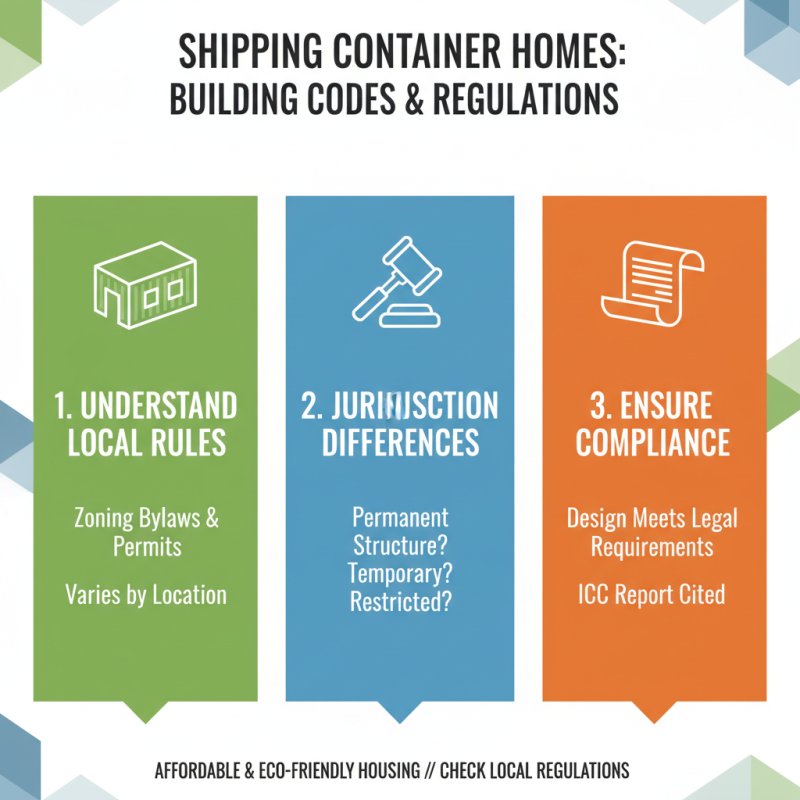
When transforming shipping containers into livable spaces, understanding and complying with building codes and regulations is paramount. Container homes can provide an affordable and eco-friendly housing solution, but local regulations can significantly impact the feasibility of such projects. According to a report by the International Code Council (ICC), jurisdictions vary widely in their treatment of container homes, with some areas recognizing them as permanent structures while others treat them as temporary or even restrict them altogether. Prospective builders should investigate their local zoning bylaws, permits, and construction codes to ensure their designs meet legal requirements.
Furthermore, the structural integrity of shipping containers is a specific concern when repurposing them for residential use. The American Society of Civil Engineers (ASCE) highlights that while containers are inherently durable, they must be inspected for compliance with local safety standards. This includes considerations for fire safety, insulation requirements, and proper foundation systems. Different regions may also dictate additional requirements related to energy efficiency and sustainable building practices, prompting container home builders to engage with professionals who can navigate these complexities. By being well-informed about local regulations and seeking the necessary professional guidance, homeowners can successfully turn shipping containers into stunning and legally compliant living spaces.