China Top Sideloader Container Suppliers for Global Buyers?
Choosing a reliable China top sideloader container supplier requires more than comparing factory prices. Global buyers need equipment that performs safely at ports, warehouses, construction sites, and remote delivery points. A well-designed sideloader container can load standard containers without a crane or forklift, reducing handling time on uneven ground.
Experienced suppliers usually provide detailed information about hydraulic lifting capacity, chassis compatibility, container dimensions, axle ratings, and control systems. Buyers should request drawings, loading videos, test records, and clear warranty terms before placing an order. Factory audits also matter. A clean welding area, organized parts storage, and documented quality checks often reveal more than polished product photos.
Not every supplier fits every project. Some manufacturers focus on heavy-duty trailers, while others customize compact units for narrow roads or regional regulations. Confirming road standards, braking requirements, electrical systems, and spare-parts availability can prevent expensive delays. Independent inspections may be worthwhile before shipment, especially for large orders.
Small details matter.
Ask how the hydraulic cylinders are protected from dust and water. Check whether operators receive practical training, not just a manual. Review communication speed during technical discussions, because after-sales support can become difficult across time zones. Supplier rankings may change, and online claims are not always complete. A careful comparison should combine factory evidence, customer references, compliance documents, and realistic delivery commitments. This article examines leading China sideloader container suppliers and the factors global buyers should consider before making a dependable, informed purchase.
What Are Sideloader Containers and How Do They Work?
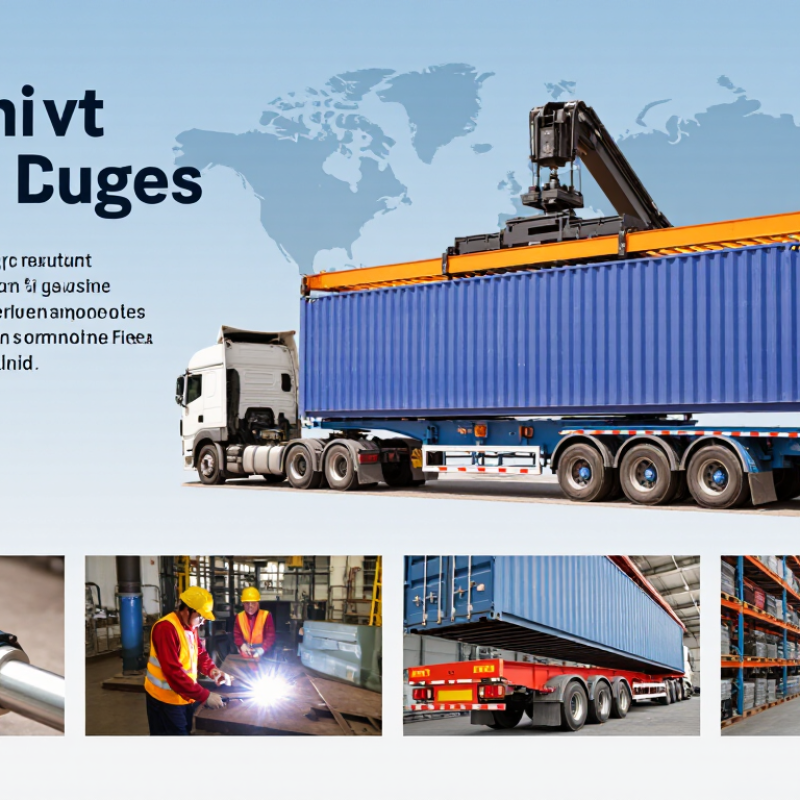
A sideloader container uses hydraulic lifting arms to load and unload a container from its own chassis. Unlike a rear-loading trailer, it does not require a crane or reach stacker. The container sits beside the truck during handling. This design helps when a site has limited equipment or uneven access.
During operation, stabilizing legs extend to support the vehicle. Two lifting arms then move under the container’s corner castings. Hydraulic cylinders raise it slowly, while guide rails control its position. The driver must park on firm, level ground. Small slopes can affect balance. The process looks simple, but poor positioning can create serious stress on the chassis and container.
For global buyers sourcing from China, supplier evaluation should include hydraulic testing, weld inspection, load records, and spare-parts support. Ask for lifting capacity under realistic conditions, not only the maximum advertised figure. Check whether hoses, valves, and control systems are easy to replace locally. Factory videos are useful, but they are not enough. An on-site or independent inspection can reveal uneven welds, oil leaks, or weak electrical protection. One practical limitation is road weight. A larger sideloader may carry more, yet reduce payload after chassis weight is counted. Buyers should compare the complete operating setup, including container size, terrain, maintenance skill, and local transport rules.
Key Features to Compare Among Chinese Sideloader Suppliers
When comparing Chinese sideloader container suppliers, buyers should examine engineering details before quoted price. A practical comparison starts with lifting capacity, container compatibility, chassis strength, and hydraulic performance. Ask for load charts, not only maximum-load figures. A 40-foot container can shift the center of gravity quickly.
The World Bank’s 2023 Logistics Performance Index assessed 139 economies through 4,090 logistics professionals. Its indicators highlight timeliness, tracking, and shipment reliability. These measures also matter when evaluating sideloaders. Suppliers should provide factory inspection records, hydraulic-cycle results, axle specifications, and documented delivery times. Check whether the trailer supports common 20-foot and 40-foot configurations. Confirm twist-lock quality, frame welding standards, emergency controls, lighting, and corrosion protection. Small omissions become expensive at busy depots.
Maintenance support deserves equal attention. Compare spare-parts availability, technician response time, warranty exclusions, and remote diagnostics. UNCTAD’s Review of Maritime Transport 2024 reported continued expansion in maritime trade, while disruption and delays remained significant operational risks. This makes service continuity more valuable than a low initial offer. Request evidence of testing under uneven yards, rain, dust, and repeated loading cycles. A supplier may provide impressive specifications, yet field performance can differ. Buyers should allow independent inspection before shipment. Some comparisons remain imperfect, because suppliers measure durability under different conditions. That uncertainty should be recorded, not hidden.
How to Evaluate Supplier Quality, Certifications, and Production Capacity
China Top Sideloader Container Suppliers for Global Buyers?
Choosing a sideloader container supplier requires more than comparing prices. Inspect welds, hydraulic fittings, locking points, and chassis alignment. Ask for recent load-test records, material certificates, and dimensional inspection reports. Quality should remain consistent across samples, not only in the showroom. A useful check is tracing steel heat numbers from purchase records to finished components.
Certifications need careful review. Confirm the issuing organization, certificate validity, and covered product scope. ISO 9001 can show process control, but it does not guarantee every container is excellent. For international shipments, request applicable safety and container certifications, including current inspection evidence. Ask whether testing was performed by an independent laboratory. Photos help, but signed reports are stronger. No audit is perfect. That limitation deserves honest discussion.
Tips
Visit the production site when possible. Count active assembly stations, welding bays, and testing equipment. Review monthly output, overtime practices, and realistic lead times. Ask how rejected parts are recorded and corrected. A supplier claiming unlimited capacity may deserve more questions. Request a pilot order before a large contract, then compare weld quality, hydraulic performance, paint coverage, and delivery accuracy. Keep every requirement in the purchase agreement, including inspection stages and acceptance criteria. Mistakes still happen, but clear records make them easier to identify and fix.
Ordering, Customization, and Shipping Options for Global Buyers
Choosing among China’s top sideloader container suppliers requires more than comparing online prices. Global buyers should request factory credentials, production photos, material specifications, and recent inspection records. Ask how steel grades, welding quality, paint systems, and lifting components are checked. A clear specification sheet prevents costly misunderstandings.
Ordering becomes easier when the request includes container size, payload, door configuration, color, locking hardware, and intended route. Suppliers may customize corner castings, ventilation, flooring, or warning labels. However, every change can affect weight, certification, lead time, and freight cost. I recommend approving a detailed drawing before production starts. Small details matter.
Shipping options usually include port delivery, door delivery, or arranged inland transport. Confirm the loading port, estimated transit time, insurance responsibility, and agreed Incoterm in writing. Consolidated shipments may reduce freight costs, while full-container loading can simplify handling. Before payment, use a pre-shipment inspection with photographs and dimensional checks. This is not perfect protection, but it catches avoidable defects. Buyers should also confirm destination import documents and local compliance requirements with a qualified customs professional. Supplier replies can sound confident, yet vague answers deserve another question.
China Top Sideloader Container Suppliers for Global Buyers
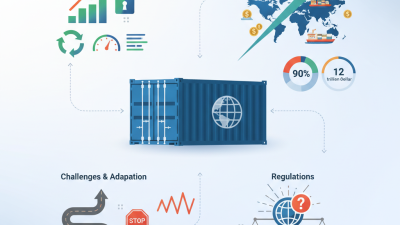
Ordering, customization, and shipping options should be evaluated against the container format, usable capacity, lifting requirements, and destination-port restrictions.
Ordering
Global buyers normally confirm container type, quantity, lifting method, destination port, required certifications, and Incoterms before requesting a quotation.
Customization
Common options include side-loading equipment, hydraulic systems, locking mechanisms, chassis configuration, paint finish, lighting, and regional compliance features.
Shipping Options
Typical arrangements include FOB, CIF, and DAP quotations, with delivery planned through container vessels, RoRo services, or multimodal inland transport.
Chart values show typical internal capacity references for common ISO container formats. Actual dimensions and payload can vary by manufacturer, door configuration, flooring, and applicable certification.
How to Select the Right China-Based Sideloader Container Supplier
China Top Sideloader Container Suppliers for Global Buyers
Choosing a China-based sideloader container supplier requires more than comparing prices. Study manufacturing history, production capacity, and export experience. Ask for drawings, load ratings, lifting reach, chassis compatibility, and hydraulic specifications. A reliable supplier should explain limitations clearly. Request recent factory photographs or arrange an independent inspection. Small details matter. Weld consistency, hose protection, locking pins, and emergency controls often reveal real build quality.
Tips: Send the same technical request to three suppliers. Compare warranty terms, spare-part availability, delivery schedules, and payment conditions. Ask for videos showing loading, unloading, and operation on uneven ground. Keep it practical.
Check whether testing documents match your destination’s safety and transport requirements. Verify certificates through suitable third parties when possible. Discuss corrosion protection, maintenance access, operator training, and after-sales response times before signing. A low quotation may exclude useful items, such as spare hydraulic hoses or reinforced fittings. I would not rely on polished factory videos alone. One supplier may communicate well but still lack consistent quality control. Another may offer excellent equipment but weak documentation. Review inspection records, sample units, and customer references carefully. Leave room for technical changes; container sizes, road conditions, and local regulations can expose assumptions later.