Top 10 Types of Shipping Containers and Their Costs?
Choosing a shipping container is rarely as simple as comparing two prices online. The real cost depends on container type, condition, size, location, transport, and intended use. A used 20-foot dry container may look inexpensive in a depot, yet delivery can add hundreds of dollars. A new refrigerated unit can cost many times more because it includes cooling machinery, insulation, and maintenance requirements.
This guide examines ten widely used types, including standard dry, high-cube, reefer, open-top, flat-rack, tank, side-door, insulated, half-height, and platform containers. It compares purchase prices, rental ranges, transport expenses, and practical applications. John Fossey, Drewry’s container equipment specialist, summarizes the market logic clearly: “Container prices reflect supply, demand, manufacturing costs, and equipment availability.” That principle matters when estimating the cost for a container.
Details matter.
A 40-foot high-cube container offers extra height, but it may cost more to move through restricted roads. A reefer can protect frozen goods, but electricity, servicing, and temperature monitoring increase operating expenses. Flat-rack units solve awkward cargo problems, though their availability may be limited in smaller ports. These differences can change the final invoice substantially.
Any simple price table can mislead. Regional shortages, seasonal freight demand, rust, flooring damage, and delivery distance often escape early estimates. Buyers should request recent quotations, inspect condition carefully, and confirm local transport access before committing. The figures in this guide are practical benchmarks, not promises. Prices move, sometimes quickly.
ISO 668 and CSC Standards: A Framework for 10 Container Types
ISO 668 provides the dimensional framework for Series 1 freight containers. It defines external lengths, widths, heights, corner fittings, and maximum gross mass. CSC requirements add safety controls, including structural examination, approval plates, and periodic inspection. Together, these rules help terminals, ships, railways, and trucks handle compatible units safely.
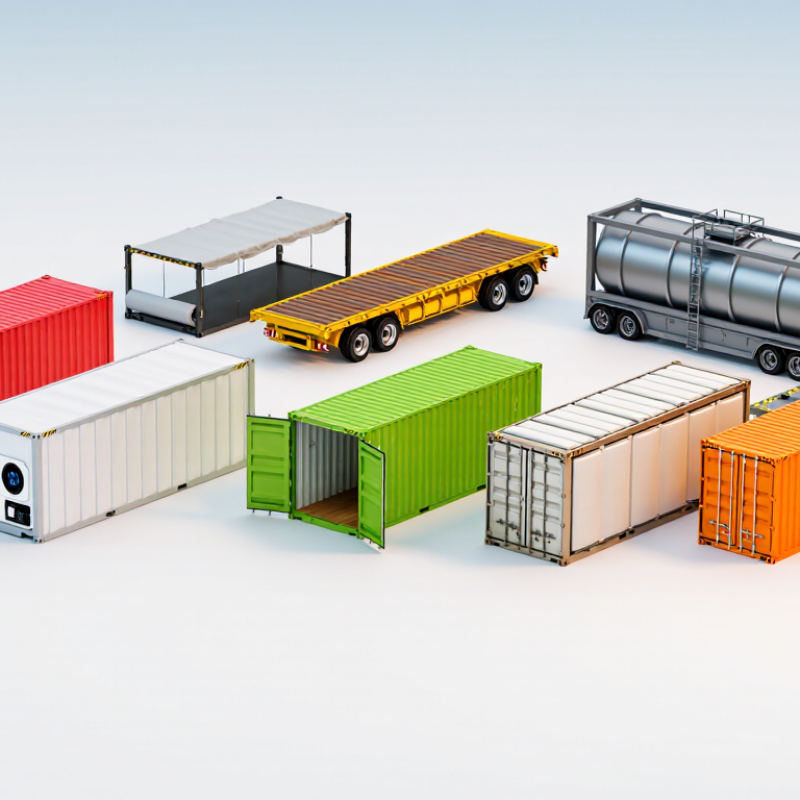
Ten common formats include standard dry, high-cube, refrigerated, insulated, ventilated, open-top, hard-top, flat-rack, platform, and tank containers. Their prices vary sharply.
Used standard units often cost about 1,500–4,000 US dollars. High-cube units may reach 5,000 dollars. Refrigerated, tank, and specialized open-sided units can exceed 10,000 dollars. Delivery, tax, certification, and local supply can change these figures substantially.
Inspect the corner castings, floor strength, doors, roof, and identification plate before purchase. A valid CSC plate supports compliance, but it does not prove every component is perfect today. An older container may pass a visual check yet require costly repairs. That detail is easy to miss. ISO 668 also does not set a universal selling price or define every commercial design. In practice, condition, inspection date, insulation performance, and regional demand often matter more than the label alone. Photographs are useful, but an experienced physical inspection remains more reliable.
Dry, High-Cube, and Ventilated Containers: Specs and Market Costs
Top 10 Types of Shipping Containers and Their Costs?
Dry, high-cube, and ventilated containers cover many everyday cargo needs. A standard 20-foot dry container usually offers about 33 cubic meters of capacity. A 40-foot high-cube unit provides roughly 76 cubic meters, with an extra 30 centimeters of internal height. Specifications vary slightly by manufacturer and production year.
Industry data needs careful reading. UNCTAD’s Review of Maritime Transport 2024 reports continued growth in the global container fleet, but equipment availability remains uneven by region. Container xChange market observations published in 2024 placed used 20-foot dry containers commonly near USD 1,500–3,500. Used 40-foot high-cube units often ranged from USD 2,000–5,000. Ventilated containers may cost about USD 2,500–6,000, depending on vents, age, flooring, and local supply. These are purchase estimates, not shipping charges.
A clean price comparison can mislead. I learned that inspection details often matter more than the advertised figure. Check door seals, corner posts, floor condition, ventilation openings, and the latest inspection plate. High humidity can damage sensitive cargo, even with ventilation. Tips: request dated photographs, confirm internal dimensions, and price inland transport separately. A cheaper container may need repairs. That assumption is easy to miss.
New, Used, and Leased Units: Comparing Prices with Container xChange Data
New, used, and leased containers can differ sharply in price, even when their dimensions match. Container xChange market data indicates that a new 20-foot dry container often costs about US$2,000–3,000. Used units commonly sell for US$1,000–2,000, depending on age, certification, and depot location. A new 40-foot high-cube unit may reach US$3,500–5,000. Used examples usually cost less, but floor corrosion can change the calculation.
The ten common types include standard dry, high-cube, reefer, open-top, flat-rack, tank, side-door, double-door, insulated, and half-height containers. Reefer units can cost US$15,000–30,000 because cooling machinery requires testing and maintenance. Flat-racks and tank containers also command higher prices. Leasing may reduce upfront spending, with indicative daily rates around US$1–3 for standard dry units, according to container leasing market comparisons. Drewry’s container research shows that freight and equipment conditions remain sensitive to trade routes, repositioning, and port congestion. Prices are not universal. I would question any unusually cheap quote.
Tips: Compare total landed cost, not only the purchase price. Request recent photos, CSC documentation, inspection records, and the container’s exact depot location. For used equipment, inspect door seals, corner posts, roof patches, and floor strength. A small repair can quietly erase the saving. Lease terms also deserve scrutiny; delivery, damage liability, insurance, and early-return fees may outweigh a lower monthly rate.
Top 10 Types of Shipping Containers and Their Costs? – New, Used, and Leased Units: Comparing Indicative Market Prices
| Container Type |
Typical Size |
External Dimensions
(L × W × H) |
New Purchase Price
(USD) |
Used Purchase Price
(USD) |
Estimated Monthly Lease
(USD) |
Approx. Maximum Payload |
Common Applications |
| 20 ft Standard Dry |
20 ft |
6.06 × 2.44 × 2.59 m |
$2,000–$3,000 |
$900–$1,800 |
$50–$100 |
Approximately 28,200 kg |
General cargo, machinery, packaged goods, storage |
| 40 ft Standard Dry |
40 ft |
12.19 × 2.44 × 2.59 m |
$3,000–$4,500 |
$1,200–$2,500 |
$70–$130 |
Approximately 26,700 kg |
High-volume general cargo and international freight |
| 40 ft High Cube Dry |
40 ft High Cube |
12.19 × 2.44 × 2.90 m |
$3,200–$4,800 |
$1,400–$2,700 |
$75–$140 |
Approximately 26,500 kg |
Bulky cargo, furniture, retail goods and additional-volume loads |
| 20 ft Refrigerated |
20 ft Reefer |
6.06 × 2.44 × 2.59 m |
$25,000–$40,000 |
$8,000–$20,000 |
$500–$900 |
Approximately 27,000 kg |
Food, pharmaceuticals and temperature-sensitive products |
| 40 ft High Cube Refrigerated |
40 ft High Cube Reefer |
12.19 × 2.44 × 2.90 m |
$45,000–$70,000 |
$18,000–$40,000 |
$800–$1,400 |
Approximately 29,000 kg |
Large-volume chilled and frozen cargo |
| 20 ft Open Top |
20 ft |
6.06 × 2.44 × 2.59 m |
$3,500–$5,500 |
$1,800–$3,500 |
$120–$220 |
Approximately 28,000 kg |
Over-height cargo, scrap metal, stone and bulk materials |
| 40 ft Open Top |
40 ft |
12.19 × 2.44 × 2.59 m |
$5,000–$8,000 |
$2,500–$5,000 |
$160–$300 |
Approximately 26,000 kg |
Large machinery, construction materials and tall cargo |
| 20 ft Flat Rack |
20 ft |
6.06 × 2.44 × 2.59 m |
$4,500–$7,000 |
$2,000–$4,000 |
$150–$300 |
Approximately 27,000 kg |
Heavy machinery, vehicles, steel and oversized cargo |
| 40 ft Flat Rack |
40 ft |
12.19 × 2.44 × 2.59 m |
$7,000–$12,000 |
$3,500–$8,000 |
$250–$500 |
Approximately 38,000 kg |
Large industrial equipment and project cargo |
| 20 ft Tank Container |
20 ft ISO Tank |
6.06 × 2.44 × 2.59 m |
$20,000–$35,000 |
$10,000–$25,000 |
$500–$1,000 |
Typically 24,000–26,000 kg |
Liquid chemicals, food-grade liquids and other bulk liquids |
Pricing note: The figures are indicative global market ranges for standard units and may vary by location, age, certification, condition, availability, delivery distance, taxes, inspection requirements and lease term. Purchase prices generally exclude inland transportation, modifications and other local charges.