Top 5 Tips for Sourcing Sea Containers Effectively?
When it comes to sourcing sea containers, mastering the process is essential for businesses. "Finding the right sea container can make or break your logistics strategy," says John Smith, a seasoned expert in the shipping industry. His insight highlights the importance of careful selection in this competitive market.
Effective sourcing requires more than just picking a container. It involves understanding your specific needs and knowing where to look. Every detail counts. For instance, consider the size, condition, and intended use of the sea container. Visualizing your shipping requirements can streamline your decision-making process.
Many companies encounter challenges when sourcing containers. They may overlook crucial details or settle for less. Learning from past mistakes can lead to better outcomes. Firms must reflect on their experiences to enhance sourcing strategies. The complexities of the sea container market demand focused attention and informed choices.

Understanding the Different Types of Sea Containers Available in the Market
When sourcing sea containers, understanding the different types available is crucial. There are standard containers, refrigerated units, and special purpose containers. Each serves a unique function. Standard containers are the most common, designed for general cargo. There's a significant demand for them, with approximately 19 million units in circulation globally.
Reefers, or refrigerated containers, maintain temperature-sensitive goods. The market for these units has grown by 5% annually, reflecting increased perishables trade. Special containers, such as tank containers or flat racks, cater to specific needs. While these are less common, they play a vital role in certain industries. Insights from industry reports indicate that flexibility in container type significantly impacts logistics efficiency.
Analyzing container specifications is essential. High Cube containers, which offer extra vertical space, are often more expensive. However, they maximize shipping capacity. Understanding these details helps in making informed decisions. It is also important to consider local suppliers. Not all suppliers provide the same quality, and the price can vary significantly.
Analyzing Cost-Effectiveness: Comparing New vs. Used Sea Containers
When evaluating the cost-effectiveness of sea containers, both new and used options present distinct advantages and challenges. According to industry reports, new containers generally come with a price tag ranging from $3,000 to $5,000, depending on size. These containers are more reliable and often come equipped with warranties. On the other hand, used containers can cost between $1,500 and $3,500, providing a budget-friendly solution for many businesses. However, buyers must consider potential repairs or maintenance.
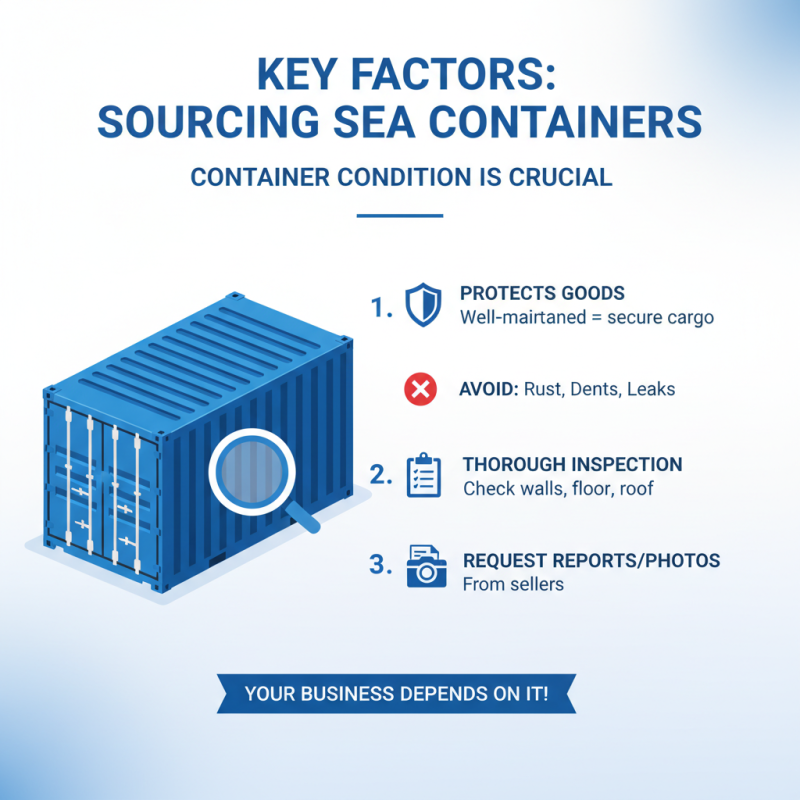
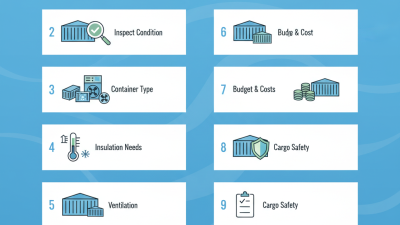
Tip: Always check the container’s condition and history. This practice can help you avoid hidden costs. Inspect for rust, structural integrity, and past usage.
Additionally, the demand for eco-friendly solutions drives many to purchase used containers. Data shows that around 25% of all used containers are recycled for various purposes, which promotes sustainability. Although used containers may present wear, the financial savings can be appealing, especially for startups or small businesses.
Tip: Factor in delivery costs when sourcing containers. These can significantly impact your overall budget. Comparing quotes from different suppliers can reveal unexpected savings.
With careful research, you can make informed decisions that align with your operational needs. Balancing new and used options often leads to optimal outcomes tailored to your financial strategy.
Cost-Effectiveness of New vs. Used Sea Containers
Best Practices for Negotiating Pricing and Terms with Container Suppliers
Negotiating pricing and terms with container suppliers requires a strategic approach. The global shipping industry, valued at $8 trillion, indicates how vital efficient sourcing is. Utilize data insights to benchmark prices based on current market trends. Knowing the average price per container can empower your negotiation. According to industry reports, container prices have fluctuated by as much as 300% in recent years.
When approaching suppliers, focus on building relationships. A strong rapport can lead to favorable pricing arrangements. Trust is essential; suppliers are more likely to offer discounts to reliable clients. Consider requesting volume discounts for larger orders. Companies that leverage bulk purchasing can often secure better rates, as indicated by procurement analyses.
Be clear about your terms. Establish payment timelines and delivery schedules upfront. Suppliers value transparency and may be willing to adjust prices for clients who communicate their needs clearly. Include clauses that address potential delays or changes in pricing. This safeguards your interests, making negotiations smoother. Effective communication can significantly enhance your negotiating power, ultimately leading to cost savings.
Top 5 Tips for Sourcing Sea Containers Effectively
| Tip |
Description |
Considerations |
Average Cost (USD) |
| Understand Your Requirements |
Determine the size, type, and condition of the container needed. |
Different types serve varying purposes, e.g., refrigerated vs. standard. |
$1,200 - $5,000 |
| Research Suppliers |
Identify multiple suppliers and compare offerings. |
Check reviews and ratings for suppliers. |
Varies by location |
| Negotiate Terms |
Discuss pricing, delivery, and payment terms effectively. |
Be open to long-term contracts for better deals. |
$100 - $500 discount possible |
| Inspect Containers |
Always inspect containers physically or via detailed photos. |
Check for rust, leaks, and structural integrity. |
Inspection costs: $50 - $300 |
| Finalize the Contract |
Ensure all agreed terms are written and validated. |
Review penalties, warranties, and delivery timelines. |
Legal review fee: $200 - $800 |