Is Your Container Ready?

Get In Contact With Us Today

Is Your Container Ready?

Get In Contact With Us Today

Why You Need to Track Your Container for Efficient Shipping?

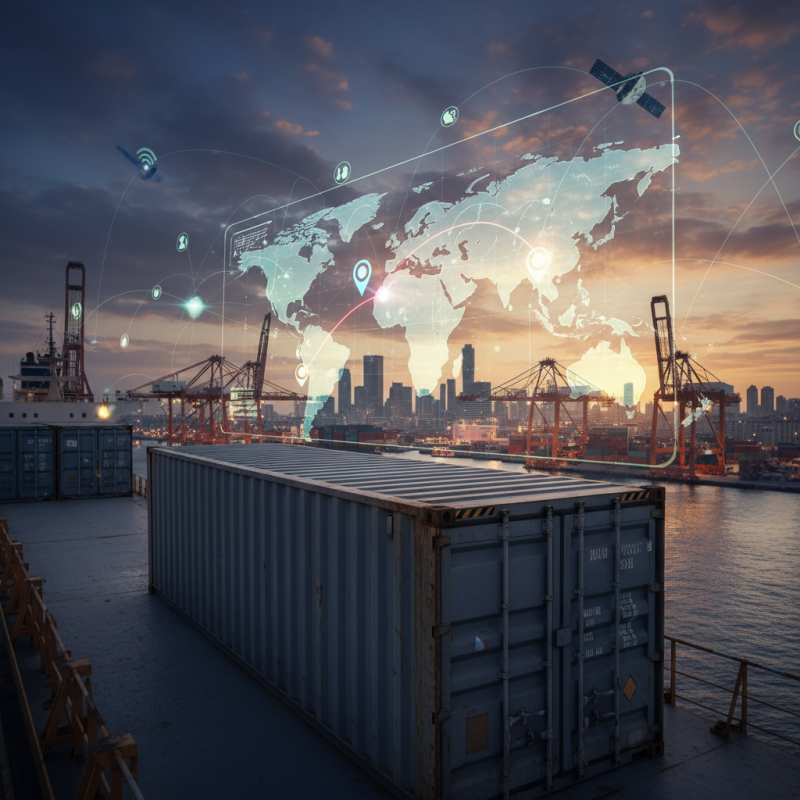
Efficient shipping is crucial for businesses today. To achieve this, one must track your container throughout its journey. Knowing the location of your shipment reduces anxiety and improves planning. Imagine waiting for a delivery without knowing where it is. The uncertainty can disrupt logistics and customer satisfaction.

Tracking technology lets you monitor your container in real-time. This visibility allows for timely decision-making. If delays occur, you can adapt your operations quickly. Yet, many overlook this essential step. They fail to realize that a small oversight can lead to significant issues later on.

Containers can be lost or damaged. Tracking your container helps mitigate these risks. You can address problems immediately, ensuring a smoother process. Relying on outdated methods might seem easier but can lead to frustrations. Innovations in tracking technology should not be ignored. Embracing these advancements is essential for any shipping strategy.
Why You Need to Track Your Container for Efficient Shipping?

Understanding the Importance of Container Tracking in Shipping
Why You Need to Track Your Container for Efficient Shipping?

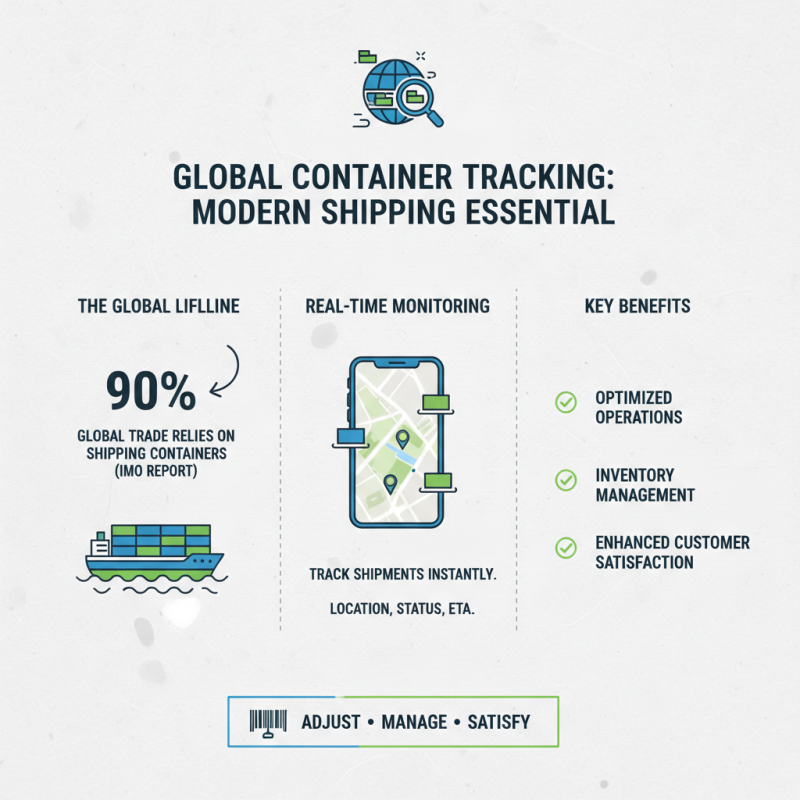
Container tracking has become essential in modern shipping. It enables businesses to monitor their shipments in real-time. According to a report by the International Maritime Organization (IMO), about 90% of global trade relies on shipping containers. When shipments are tracked efficiently, stakeholders can adjust their operations, manage inventory, and enhance customer satisfaction.

An untracked container can lead to significant delays. The World Shipping Council estimates that shipping delays can cost businesses up to $2 billion annually. Inadequate tracking often results in lost shipments, missed delivery windows, and unhappy customers. Yet, many companies still adopt outdated methods. They rely on manual checks or sporadic updates, leading to increased anxiety for both shippers and receivers.

Effective tracking systems provide timely updates on container locations. They integrate GPS, RFID, and IoT technologies. Some studies show that companies using advanced tracking solutions see a 20% improvement in logistics efficiency. However, many businesses face challenges adopting these technologies. Budget constraints and lack of expertise can hinder progress. This reflects a broader hesitation in the industry to fully embrace digital transformation.

Advantages of Real-Time Monitoring for Container Shipments

Real-time monitoring of container shipments provides valuable advantages. Industry reports indicate that over 30% of shipping delays stem from poor tracking systems. Efficient tracking can significantly reduce these delays. With accurate updates, companies can better manage supply chains.

A study shows that firms using tracking technology can boost operational efficiency by up to 25%. This technology helps to pinpoint issues quickly. If a container is delayed, stakeholders are notified instantly. This allows for proactive measures, leading to a smoother shipping process.

However, not all companies utilize these systems effectively. Many still rely on outdated methods, missing critical data. This reliance on traditional practices may lead to unexpected costs. Investing in real-time monitoring is essential to avoid potential pitfalls. It’s clear that proper tracking is not just a luxury but a necessity for successful shipping.

Key Technologies Used in Container Tracking Solutions

In today’s shipping industry, container tracking is essential for efficiency. Various technologies make this possible. RFID tags are commonly used. They allow real-time tracking of containers. This helps avoid delays and misplaced cargo. Companies can locate their shipments within seconds.

GPS technology plays a critical role too. It provides precise location data. However, reliance on GPS can be problematic. Signal loss may occur in remote areas. Situations like these require backup systems. Some companies also use IoT devices. They monitor container conditions, such as temperature and humidity. These sensors help ensure cargo safety but can introduce additional costs.

While these technologies offer significant benefits, they aren’t flawless. Data accuracy can be an issue. Outdated systems can lead to incorrect information. Without regular updates, tracking remains unreliable. Stakeholders need to reflect on their systems continually. Finding the right balance between technology and practical needs is crucial. An effective tracking solution minimizes risks and maximizes efficiency.

Container Tracking Efficiency Over Time

This chart illustrates the efficiency of container tracking technology over a span of 12 months. The data reflects the percentage of shipments tracked accurately each month, showcasing the advancements in tracking technologies and their impact on shipping efficiency.

Challenges Faced Without Proper Container Tracking

Without proper container tracking, businesses face significant challenges. A report from the International Maritime Organization estimates that approximately 10% of containers are lost or damaged during shipping. This can lead to severe financial losses and disrupted supply chains.

Mitigating these issues requires detailed visibility. Poor tracking can result in delays of up to 20%. These delays often stem from miscommunication among logistics partners. Trust is eroded when containers go missing. Moreover, research shows that lost containers can cause a ripple effect, impacting the entire delivery process.

The financial impact can be staggering. Studies indicate that inefficient shipping processes can inflate costs by as much as 30%. This inefficiency often arises from a lack of real-time updates. Without regular tracking, companies risk overstocking or understocking, both of which are problematic. Clear data may not always be available to make informed decisions, leading to confusion.

Why You Need to Track Your Container for Efficient Shipping? - Challenges Faced Without Proper Container Tracking

Challenge Impact Solution
Loss of Container Increased shipping costs and delays Implement a robust container tracking system
Inefficient Routing Longer transit times and higher fuel consumption Use real-time tracking to optimize routes
Lack of Visibility Difficulty in managing inventory and logistics Adopt GPS-enabled tracking solutions
Compliance Issues Fines and penalties Ensure all containers are tracked to meet regulations
Theft and Damage Financial losses and disruptions Implement secure tracking to monitor container safety

Best Practices for Effective Container Tracking and Management

In the world of shipping, effective container tracking is crucial. Knowing the location of your shipments is essential for timely deliveries. Implementing a reliable tracking system can greatly improve efficiency. Many companies still rely on outdated methods, leading to delays and confusion. It’s important to avoid these pitfalls.

Using technology is a game-changer. GPS and RFID tags provide real-time updates. This helps in monitoring the status of your containers. However, not all tracking systems are user-friendly. Some may offer too much data without clear insights. Choosing the right technology is key to successful tracking.

Communication is often overlooked but vital. Keep your teams updated about container statuses. This reduces misunderstandings and ensures everyone is on the same page. Regularly reviewing your tracking processes can highlight areas for improvement. Engaging with your logistics partner can also enhance your tracking strategy. Adapting to changing needs will make your shipping more efficient.

Call Now Button