

What Is a Shipping Container Used For?
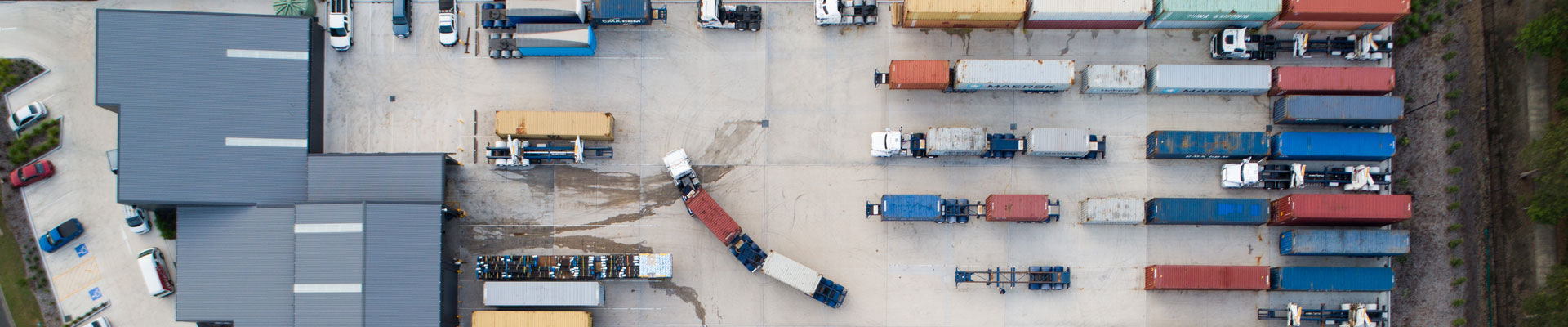
A shipping container is more than a steel box moving between ports. It is a standardized transport unit designed for ships, trains, and trucks. The same container can leave a factory in Vietnam, cross the Pacific, and reach a warehouse in California without unloading its cargo.
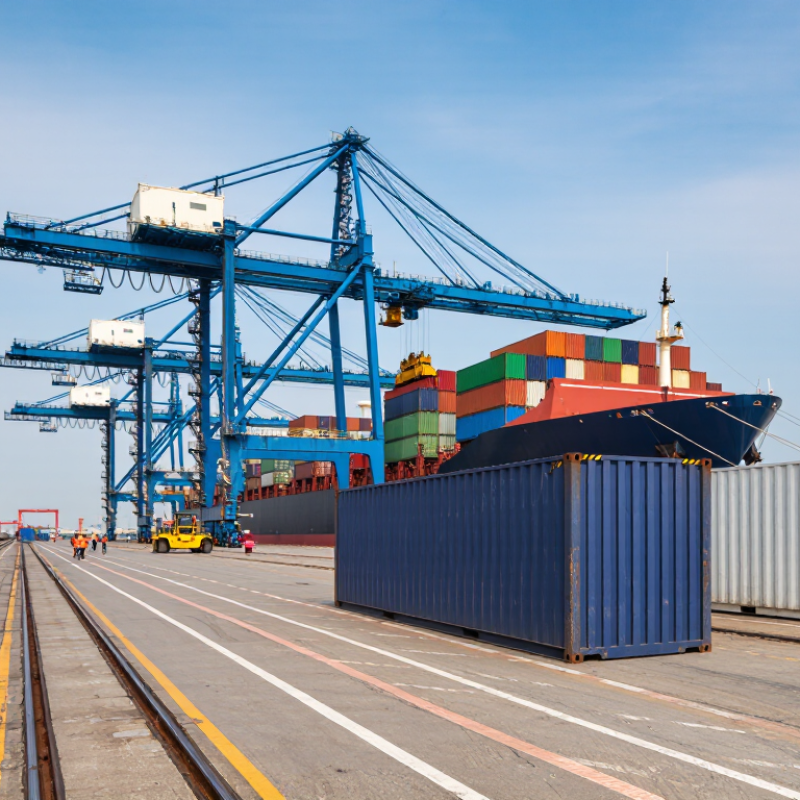
UNCTAD reports that more than 80% of global merchandise trade by volume travels by sea. Its Review of Maritime Transport also tracks containerized trade in millions of TEUs, showing the system’s enormous scale. A standard 20-foot container may carry furniture, machinery, packaged food, or retail products. Refrigerated containers protect seafood, fruit, pharmaceuticals, and other temperature-sensitive goods. Empty space still costs money. Poor packing can damage products and increase transport emissions.
The uses extend beyond international freight. Companies use containers for temporary storage, mobile workshops, site offices, classrooms, and disaster-response facilities. Their steel walls provide strength, weather protection, and predictable dimensions. However, conversion requires ventilation, insulation, electrical planning, and structural checks. A container is not automatically a safe building.
Economist and author Marc Levinson captured its wider importance: “The container made shipping cheap enough to change the world economy.” That statement remains powerful, though it simplifies a complicated story. Ports, railways, customs systems, labor, and digital tracking also make container logistics work. The shipping container is efficient, but never perfect. Delays, congestion, repositioning empty units, and maintenance still shape its real cost. Understanding these practical limits explains why one durable box supports modern trade, storage, and temporary infrastructure.
Shipping Containers Explained: ISO Sizes, Standards, and Core Specifications
What Is a Shipping Container Used For?
Shipping containers protect cargo during long journeys by ship, rail, and road. Their steel walls resist rain, wind, handling impacts, and repeated lifting. Most containers carry packaged goods, machinery, furniture, or construction materials. They are not simple storage boxes.
ISO sizes make international transport more predictable. A standard 20-foot container measures about 6.06 meters long, 2.44 meters wide, and 2.59 meters high externally. A 40-foot container has a similar width and height, but doubles the length to about 12.19 meters. Internal dimensions are smaller because of wall thickness, doors, and floor structure. Small differences matter.
The ISO 668 standard defines key dimensional categories, while ISO 1496 addresses performance and testing requirements. A compliant unit normally includes corner castings, locking doors, a load-bearing floor, and identification markings. Its maximum gross mass includes both the container and cargo. Payload capacity depends on tare weight and the specific design. Check the plate.
The Container Safety Convention requires safety approval for containers used in international transport. Inspectors examine structural condition, door operation, roof damage, corrosion, and floor strength. A container may later serve as a temporary warehouse, workshop, or site office, but conversion changes its original purpose. Ventilation, drainage, insulation, and local building rules then become important. This part is often underestimated. Dimensions look exact on paper, yet real loading plans can fail when pallets, door clearance, or uneven weight are ignored.
What Is a Shipping Container Used For? Shipping Containers Explained: ISO Sizes, Standards, and Core Specifications
| Data Dimension | Typical Specification or Value | Technical Details | Common Uses |
|---|---|---|---|
| Standardized Purpose | Intermodal freight transport | Designed to move cargo by ship, rail, and road without unloading the goods from the container. | International and domestic cargo movement |
| ISO Classification | ISO Series 1 freight container | The ISO system defines container dimensions, ratings, testing requirements, handling features, and identification practices. | Global logistics and multimodal transport |
| Common External Width | 2,438 mm (8 ft) | The standardized external width allows containers to be handled by compatible ships, rail equipment, chassis, and lifting systems. | General cargo, machinery, packaged goods |
| Common External Heights | 2,591 mm or 2,896 mm | The first dimension is commonly associated with standard-height units; the second is commonly associated with high-cube units. | Standard cargo or increased internal volume |
| 20-Foot Standard Container | 6,058 × 2,438 × 2,591 mm | Approximate external dimensions. Internal dimensions are typically about 5,900 × 2,350 × 2,390 mm, depending on construction details. | Dense, heavy, or compact cargo |
| 40-Foot Standard Container | 12,192 × 2,438 × 2,591 mm | Approximate external dimensions. Internal dimensions are typically about 12,030 × 2,350 × 2,390 mm. | General cargo with greater floor space |
| 40-Foot High-Cube Container | 12,192 × 2,438 × 2,896 mm | Provides approximately 305 mm of additional external height compared with a standard-height unit, increasing usable internal volume. | Lightweight, bulky, or high-volume cargo |
| 20-Foot Internal Volume | Approximately 33 m³ | Actual capacity varies with wall thickness, floor construction, door design, and the specific container configuration. | Palletized goods, steel products, equipment |
| 40-Foot Standard Internal Volume | Approximately 67 m³ | Offers roughly twice the internal volume of a 20-foot standard container, although payload limits may be reached before the space is filled. | Furniture, cartons, consumer goods, textiles |
| 40-Foot High-Cube Internal Volume | Approximately 76 m³ | The extra height provides additional cubic capacity while maintaining the same standard external width and length as a 40-foot unit. | Large-volume and low-density cargo |
| Maximum Gross Mass | Commonly up to 30,480 kg | Maximum gross mass includes the container tare mass and its cargo. The permitted value depends on the container rating, transport mode, and local regulations. | Cargo planning and regulatory compliance |
| Payload Capacity | Approximately 26,000–28,000 kg | Payload is calculated by subtracting the empty container mass from the maximum gross mass. Actual limits vary by container type and tare weight. | Weight-based loading decisions |
| Container Tare Mass | Approximately 2,200–4,000 kg | The empty weight varies according to length, height, steel thickness, flooring, doors, and special equipment installed. | Freight costing and payload calculations |
| Floor Construction | Heavy-duty marine-grade plywood over steel cross-members | The floor is designed to withstand concentrated loads and repeated handling, but cargo weight must still be distributed appropriately. | Pallets, crates, machinery, and general freight |
| Primary Structural Material | Corrosion-resistant weathering steel | The steel frame and corrugated panels provide strength, weather resistance, and compatibility with lifting and stacking equipment. | Long-distance transport and outdoor storage |
| Corner Fittings | Eight standardized corner castings | Corner castings are used for lifting, stacking, securing, and connecting containers with compatible handling equipment. | Cranes, spreader beams, rail transport, vessel stacking |
| Stacking Capability | Vertical stacking through corner posts and fittings | Containers are engineered to transfer stacking loads through their corner structures rather than through the roof or side panels. | Ship decks, container yards, rail terminals |
| Weather Protection | Wind- and watertight when properly maintained | Door gaskets, roof panels, welds, and corner areas must remain in good condition to limit water ingress and protect cargo. | Temporary storage and weather-sensitive freight |
| Door Configuration | Rear double doors with locking bars | The full-width rear opening supports loading and unloading. Door clearances are smaller than the external container dimensions. | Forklift loading, pallet access, and cargo inspection |
| Ventilation | Passive ventilation openings | Small vents help reduce condensation and equalize air pressure, but they do not provide active temperature or humidity control. | General dry cargo and limited moisture management |
| Cargo Securement | Lashing points, blocking, bracing, and dunnage | Cargo must be secured against movement caused by vessel motion, braking, acceleration, vibration, and handling operations. | Machinery, vehicles, crates, and palletized freight |
| Refrigerated Container | Integrated refrigeration unit | Refrigerated units, often called reefers, control temperature for chilled or frozen cargo and require an external power supply during operation. | Food, pharmaceuticals, flowers, temperature-sensitive goods |
| Open-Top Container | Removable roof or flexible cover | Allows cargo to be loaded from above when it cannot pass through standard doors because of height, shape, or lifting requirements. | Heavy machinery, timber, scrap, and oversized cargo |
| Flat-Rack Container | Strong end walls with open sides | Provides a platform for cargo that exceeds standard width or height limits. Cargo usually requires specialized securing and route planning. | Construction equipment, pipes, vehicles, and project cargo |
| Tank Container | Tank vessel fitted within an ISO frame | Used for bulk liquids, gases, and certain powders. The tank must be compatible with the cargo and meet applicable safety and pressure requirements. | Chemicals, food liquids, and industrial liquids |
| Dry Storage Container | Enclosed, non-refrigerated container | The most widely used type for general cargo. It protects goods from normal outdoor exposure but does not replace specialized climate control. | Household goods, retail cargo, tools, and materials |
| Non-Transport Applications | Modified storage and modular structures | Containers may be adapted for workshops, site offices, storage rooms, kiosks, and temporary buildings, subject to structural, fire, electrical, and planning requirements. | Construction sites, farms, events, and emergency storage |
| Identification System | Unique container identification code | A standardized code generally identifies the owner or operator category, equipment type, serial number, and check digit for tracking and documentation. | Inventory control, customs records, and shipment tracking |
| Compliance Consideration | Safety approval and periodic inspection requirements | Containers used in international transport must meet applicable safety standards and remain fit for service, including sound corner posts, floors, doors, and structure. | Safe loading and international movement |
Related Posts
-
How to Choose a Cargo Shipping Container in 2026?
-
China Top 10 Shipping Container Manufacturers?
-
2026 Best Cargo Shipping Container for Global Buyers?
-

What is a Secure Shipping Container and How Does It Work
-

What is the cost of 20 shipping containers in today's market?
-
10 Essential Tips for Choosing a Seaworthy Container for Shipping