Is Your Container Ready?
Get In Contact With Us Today
Is Your Container Ready?
Get In Contact With Us Today
What Is a Conex Container and What Is It Used For?
A conex container is more than a large steel box. It is a standardized, reusable unit designed to move cargo efficiently between ships, trains, and trucks. Its corrugated walls, locking doors, and reinforced corner posts allow it to withstand demanding transport conditions. Some models also support on-site storage, workshops, offices, and carefully planned modular spaces.
Marc Levinson, a transportation economist and author of The Box, famously observes, “The container made the modern world.” His point reflects a major shift in global logistics. A conex container reduces repeated loading and unloading, helping protect goods from weather, handling damage, and unnecessary delays. It can hold construction materials, machinery, furniture, packaged products, and many other lawful items.
The term is useful, though not perfect.
In everyday conversation, “conex container” often means a used shipping container. However, condition, size, floor strength, ventilation, and door design can vary greatly. A weathered 20-foot unit may suit tools, but it may need repairs before long-term storage. A 40-foot container offers more capacity, yet requires greater access space and stronger ground preparation.
This guide explains what a conex container is, how it works, and where it fits best. It also considers practical issues, including inspection, placement, moisture control, maintenance, and local requirements. Real-world decisions are rarely as simple as choosing the cheapest box. A container can be durable and versatile, but poor planning still creates problems.
What a Conex Container Is: ISO 668’s Standardized Intermodal Steel Unit
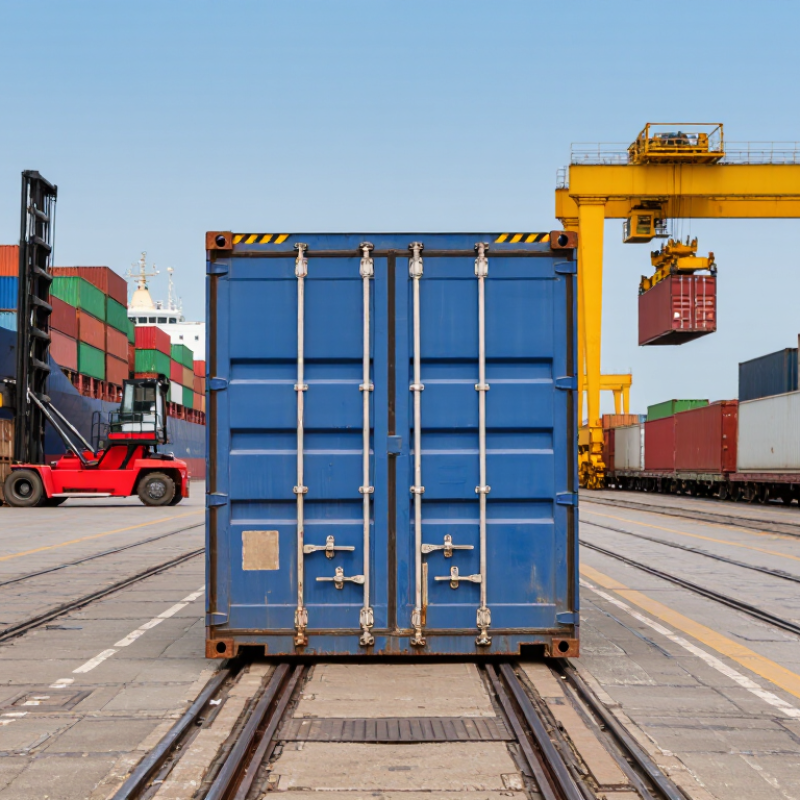
A Conex container is a standardized intermodal steel unit built for moving cargo between ships, railways, and trucks. The term comes from “Container Express,” but modern units follow the international framework of ISO 668. This standard defines container classifications, external dimensions, corner fittings, and related handling requirements. Common lengths include 20 feet and 40 feet. Their reinforced corners allow cranes and lifting equipment to move them safely without opening the cargo space.
In practical work, a Conex container protects boxed goods, machinery, tools, and palletized materials from rain, dust, and repeated handling. Its steel walls are strong, but they are not maintenance-free. Condensation can form inside when warm air meets cold metal. Floors may also weaken after years of moisture exposure. A careful inspection should check door seals, locking bars, corner posts, flooring, and visible corrosion. ISO sizing improves compatibility, yet it does not guarantee identical interior conditions or equipment quality.
Tips: Measure the cargo before choosing a unit. Leave room for ventilation and safe loading. Use moisture control for sensitive goods. Do not assume an older container remains weatherproof without testing its seals.
What Is a Conex Container and What Is It Used For?
A Conex container is a standardized intermodal steel unit defined by ISO 668. Its standardized dimensions allow cargo to move efficiently between ships, railways, and trucks without unloading the goods.
The chart compares nominal external dimensions. Standard 20-foot and 40-foot containers share the same width and standard height, while a 40-foot high-cube container provides additional vertical clearance.
Common Conex Sizes: 20-Foot and 40-Foot Models with 8-Foot Widths
A Conex container is a strong, reusable steel box designed for cargo transport and practical storage. The common choices are 20-foot and 40-foot models, both usually measuring about 8 feet wide externally. Their standard height is close to 8 feet 6 inches, although taller versions are also available. These containers move efficiently by truck, rail, or ship.
A 20-foot container offers roughly 160 square feet of floor space. It suits smaller construction sites, workshops, equipment storage, and household moves.
A 40-foot model provides nearly twice the length, with about 320 square feet of floor space. It can hold pallets, tools, furniture, or seasonal inventory.
However, usable interior space is smaller because of wall thickness, door frames, and corner posts.
Measure twice. Space disappears quickly.
Interior dimensions vary by manufacturer, age, and container type. A standard 20-foot unit may provide about 19 feet 4 inches of internal length. A 40-foot unit may offer around 39 feet 5 inches. These figures are useful estimates, not promises.
I recommend checking the actual unit before planning shelving or machinery. Leave airflow around stored items, and inspect the roof, floor, door seals, and locking bars. A clean exterior can hide moisture damage inside. The 8-foot width also deserves attention; it may fit a driveway, but turning space, overhead clearance, and delivery access can still cause problems.
Conex Capacity and Ratings: Up to 30,480 kg Gross Container Weight
A Conex container is a steel shipping unit used for transporting, storing, and protecting cargo. Its design supports repeated handling by cranes, trucks, and lifting equipment. However, its capacity is not defined by interior space alone. The rating plate matters more than appearance.
Some Conex containers have a maximum gross container weight of up to 30,480 kg. Gross weight includes the empty container, cargo, pallets, blocking materials, and installed equipment. It does not mean the container can carry 30,480 kg of cargo. For example, if the container weighs 3,800 kg empty, the theoretical cargo limit is about 26,680 kg. Always confirm the actual tare weight.
The rating plate usually lists maximum gross mass, tare weight, and payload information. These figures should guide every loading plan. A container may have enough volume but still exceed its weight rating. Uneven cargo can also overload the floor or create unsafe lifting conditions. I would recheck the numbers before loading, especially with dense machinery or metal parts. Road limits, terminal rules, axle limits, and lifting gear may reduce the practical allowance. The 30,480 kg figure is useful, but it is not permission to ignore local requirements. Mistakes happen when people trust a familiar container more than its current certification.
How CSC Plates Certify Conex Containers for International Transport
A Conex container is a steel intermodal box designed for repeated handling by ships, trains, and trucks. Its real value depends on more than strong walls and corner fittings. The CSC plate is the key safety document attached to the container.
Under the International Maritime Organization’s International Convention for Safe Containers, a valid CSC plate confirms that the unit passed required structural tests. It normally shows the maximum gross weight, stacking load, racking test value, identification number, approval country, and examination dates.
A container may look sound, yet its plate can be missing, unreadable, or expired. That is a serious warning. Inspectors should check the plate before loading, not after the box reaches a terminal.
The next examination is generally required within 30 months after the initial inspection, unless a continuous examination program applies.
Demand makes these checks more important. UNCTAD’s Review of Maritime Transport 2024 reported that global maritime trade grew by 2.4% in 2023. The same report highlighted continued expansion in container shipping capacity.
More boxes move through busy yards, where small maintenance failures can create major delays. A bent corner casting, cracked weld, or damaged door gasket deserves attention.
CSC approval does not guarantee perfect weather protection or safe cargo packing. It certifies the container’s structural suitability at inspection. Human judgment still matters. Sometimes, a quick visual check is not enough.
Major Conex Uses: Shipping, Storage, Construction, and Modular Facilities
A Conex container is a standardized steel unit designed for repeated handling, stacking, and transport. Most common models measure 20 or 40 feet long. Their corner fittings allow cranes, ships, railcars, and trucks to move them efficiently. The United Nations Conference on Trade and Development reports that more than 80% of global trade by volume moves by sea. That figure explains the container’s central role in international shipping. However, cargo protection still depends on correct loading, weight distribution, ventilation, and regular inspections.
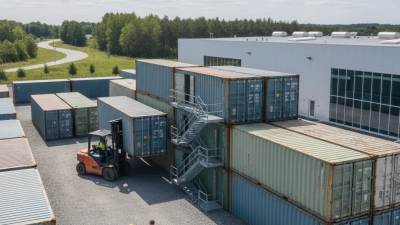
Storage is another major use. A Conex unit can hold tools, machinery, records, or seasonal inventory beside a warehouse or jobsite. Steel doors, raised floors, and lockable openings provide practical protection. Water can still enter through damaged seals. Small details matter. Operators should check floors, roof seams, rust, and airflow before placing valuable goods inside. Storage use often looks simple, but poor placement can create heat, condensation, or unsafe access.
Construction teams also convert containers into offices, workshops, guard rooms, classrooms, and temporary accommodation. The McKinsey Global Institute has reported that modular construction can reduce project schedules by 20% to 50% in suitable conditions. A container’s structural frame supports fast modification, yet it is not automatically a safe building. Insulation, fire protection, electrical systems, foundations, and local approvals require professional design. Modular facilities can be efficient, though rushed conversions may cost more later. The overlooked question is durability. A fast installation is not always a long-term solution.
| Use Category | Typical Purpose | Common Container Type | Typical Capacity or Size | Main Advantages | Important Considerations |
|---|---|---|---|---|---|
| International Shipping | Transporting packaged goods by sea, rail, or road using standardized intermodal equipment. | 20-foot or 40-foot dry cargo container | 20-foot units generally provide about 33 m³ of internal volume; 40-foot units provide about 67 m³. | Compatible with container ships, rail cars, chassis, and lifting equipment. | Cargo must be secured, weight must be distributed properly, and maximum payload varies by container design and transport regulations. |
| On-Site Storage | Storing tools, building materials, machinery, furniture, inventory, and seasonal equipment. | Standard dry container or high-cube container | Common external footprints are approximately 6.1 m × 2.44 m for 20-foot units and 12.2 m × 2.44 m for 40-foot units. | Lockable, weather-resistant, movable, and suitable for temporary or long-term storage. | The unit should be placed on a stable, well-drained foundation with adequate access and ventilation. |
| Construction Sites | Providing secure space for job-site equipment, tools, materials, and temporary offices. | 20-foot container, 40-foot container, or modified container | A 20-foot unit is often easier to position on constrained sites; a 40-foot unit offers more storage area. | Improves site organization and can reduce the need for separate temporary storage structures. | Cutting, welding, electrical work, and structural modifications should be assessed by qualified professionals. |
| Modular Offices | Creating temporary offices, meeting rooms, guard stations, ticket booths, or site administration areas. | Modified 20-foot or 40-foot container | Interior area depends on the original container size and the space used for insulation, walls, utilities, and fixtures. | Fast deployment, relocatability, and a durable steel shell. | Insulation, heating, cooling, lighting, fire safety, accessibility, and local permits may be required. |
| Modular Facilities | Building classrooms, workshops, medical rooms, accommodation units, kitchens, or welfare facilities. | Single container or multiple connected containers | Several units can be arranged side by side or stacked when engineering and local regulations permit. | Modular layout, repeatable construction, and potential for future expansion or relocation. | Openings and connections may require structural reinforcement, professional design, and inspection approval. |
| High-Volume Storage | Storing bulky, lightweight goods that benefit from additional interior height and volume. | 40-foot high-cube container | Approximately 30 cm more external height than a standard container; internal volume is commonly around 76 m³. | More vertical clearance and storage volume without increasing the footprint. | Higher overall height may affect transport clearance, placement, and local planning requirements. |
| Specialized Conversion | Supporting applications such as workshops, laboratories, battery rooms, retail kiosks, or technical enclosures. | Modified dry container or purpose-designed container module | Size is selected according to equipment dimensions, access requirements, ventilation, and service clearances. | Provides a transportable enclosure that can be adapted to specific operational needs. | Fire protection, ventilation, electrical systems, hazardous-material controls, and code compliance must be designed for the application. |
Related Posts
-
How to Calculate Cost of Storage Container for Your Business?
-
What to Know About ISO Containers for Global Procurement?
-
How to Send Container Efficiently for Global Procurement?
-
2026 Best Cargo Shipping Container for Global Buyers?
-
10 Essential Tips for Choosing the Right Sea Container for Your Needs
-
Top Benefits of Using Refurbished Container for Your Storage Solutions?