Is Your Container Ready?
Get In Contact With Us Today
Is Your Container Ready?
Get In Contact With Us Today
Why Is a Seaworthy Container Essential for Global Buyers?
For global buyers, a seaworthy container is more than a clean steel box. It is a controlled part of the supply chain. Its condition can affect cargo safety, delivery reliability, insurance discussions, and customer trust. Richard Brough, a respected container inspection specialist and former technical director at IICL, has stated, “A container is only as strong as its weakest structural component.” That warning remains practical today.
A reliable inspection should examine the corner posts, rails, roof, floor, doors, hinges, locking bars, and door gaskets. Small defects can become serious during ocean transport. A bent door may admit rainwater. A damaged floor may fail under concentrated cargo weight. Rust around a corner casting can suggest deeper structural weakness. Buyers should also verify the container number, inspection records, and valid CSC safety plate. Photos help, but they cannot replace a physical inspection. Moisture, odors, hidden cracks, and poor repairs often escape a quick review.
Experience shows that low prices can conceal higher operational costs. Repacking, cargo damage, port delays, and rejected equipment may follow. Still, no checklist is perfect. Human judgment can miss details, especially under time pressure. That is why buyers should use qualified inspectors and clear acceptance standards. A seaworthy container does not promise an effortless voyage. It provides a stronger, more measurable foundation for one. For global purchasing teams, that foundation supports safer cargo handling and more dependable international trade.
Definition and Core Standards of a Seaworthy Container
Why Is a Seaworthy Container Essential for Global Buyers?
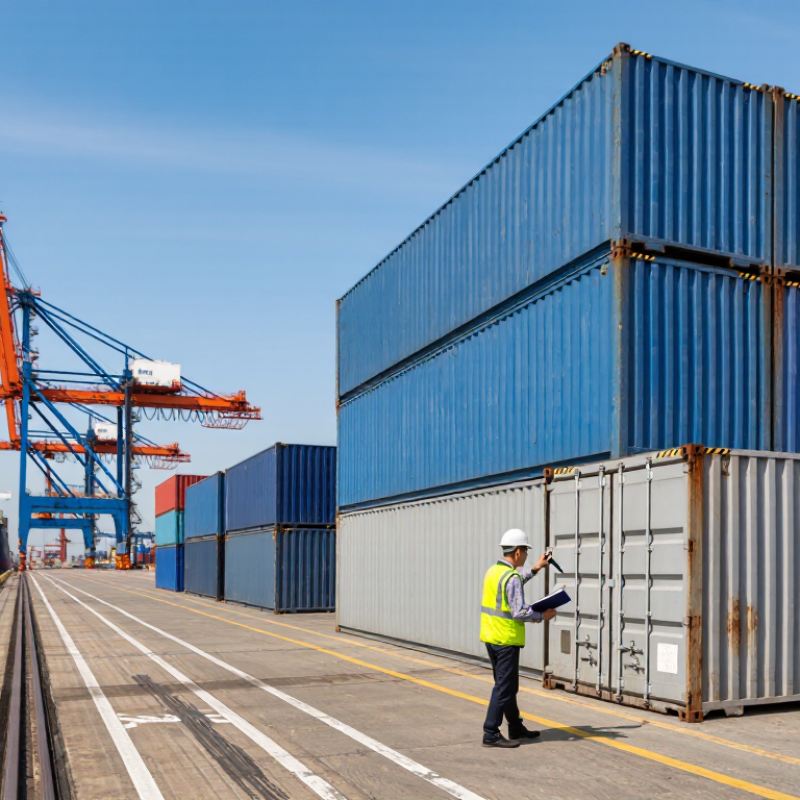
A seaworthy container is a cargo unit fit for safe ocean transport. It must withstand lifting, stacking, vibration, salt air, and changing weather. A valid CSC safety plate supports its international use, but it is not the only requirement. The container also needs sound corner posts, straight rails, secure doors, and a stable floor. Small defects matter. A bent door may admit rain during a long voyage.
In practical loading work, inspectors examine the roof, side panels, locking bars, hinges, and welds. They check for holes, heavy corrosion, chemical odors, loose flooring, and water stains. The door gasket should press evenly against the frame. A simple hose test can reveal leaks, although it cannot replace a complete inspection. The interior should be dry, clean, odor-free, and suitable for the planned cargo.
No hidden damage.
Cargo weight must remain within the container’s rating and distribute evenly across the floor. Heavy goods need proper blocking, bracing, and lashing. Poor weight distribution can strain the frame during crane handling or rough seas. Buyers should request recent inspection records, clear photographs, the container number, and the maximum gross mass. Documents can still contain errors. A careful physical check remains essential. Even experienced teams sometimes miss floor damage beneath protective boards.
Structural Features That Determine Container Seaworthiness
Why Is a Seaworthy Container Essential for Global Buyers?
Structural Features That Determine Container Seaworthiness
A seaworthy container begins with a strong load-bearing frame. Corner posts and corner castings transfer lifting forces during cranes, trucks, and vessel handling. They should remain straight, firmly welded, and free from serious distortion. Small defects matter. A damaged corner can affect the entire structure.
The floor also deserves close attention. Sound cross members should support heavy cargo without excessive deflection. Wooden or composite boards must stay fixed, dry, and free from deep rot. Inspectors often walk across the floor and check for soft areas. This simple step can reveal hidden weaknesses. However, floor condition alone cannot prove overall seaworthiness.
Doors should close evenly, lock securely, and maintain a continuous seal. Bent hinges, worn gaskets, or twisted frames may allow water to enter during long voyages. The roof needs careful inspection for pinholes, sagging, and poorly repaired patches. Rust is not always dangerous, but deep corrosion around welds or structural joints requires technical judgment. The container’s approval plate and inspection records should match its physical condition. Paperwork can be outdated. Look closely. A practical inspection should include measurements, photographs, and attention to previous repairs, because rushed repairs sometimes conceal rather than solve structural problems.
Inspection and Certification Before International Shipment
Why Is a Seaworthy Container Essential for Global Buyers?
Inspection and Certification Before International Shipment
A seaworthy container protects cargo from water, impact, contamination, and handling damage. Global buyers should request an inspection before loading, not after problems appear. A qualified inspector examines the container’s roof, walls, floor, doors, seals, locks, and corner castings. Small defects can create expensive delays.
The inspection should record the container number, condition, photographs, and inspection date. The floor must remain firm, dry, and free from strong odors or chemical residue. Door gaskets need to close evenly. Light entering through a closed door often signals a sealing problem. Dents near structural points deserve careful attention. A clean appearance can mislead.
Certification should come from a competent, independent inspection body. Depending on the shipment and route, documents may include a valid safety approval plate and a formal inspection report. The buyer should compare these records with the booking details. Names, numbers, dates, and cargo descriptions must match. One missing detail can weaken a claim later.
Practical teams also check loading conditions. The container should be dry before cargo enters. Wooden pallets, blocking materials, and straps must suit the cargo weight. Uneven loading can shift goods during rough handling. A checklist helps, but it is not magic. Inspectors can overlook hidden floor damage or rushed door tests. Buyers should ask clear questions, review photographs, and keep signed records. That extra scrutiny may feel excessive until a wet carton reaches the destination.
Why Is a Seaworthy Container Essential for Global Buyers? - Inspection and Certification Before International Shipment
| Inspection Dimension | What Should Be Verified | Acceptance Benchmark | Evidence or Record | Shipment Risk if Not Confirmed |
|---|---|---|---|---|
| CSC safety approval | Check that the Container Safety Convention plate is securely attached, legible, and applicable to the container. | A valid CSC safety approval plate must be present before the container is used for international transport. | Clear photographs of the CSC plate, including the next examination date or approved continuous examination information. | Possible refusal by the carrier, terminal, or competent authority. |
| Structural condition | Inspect corner posts, corner castings, top and bottom rails, cross members, and side-wall supports for deformation, cracks, or serious corrosion. | No structural damage that could affect safe handling, stacking, lifting, or cargo protection. | Completed inspection checklist and photographs of all external sides, roof, underframe, and corner fittings. | Lifting failure, unsafe stacking, cargo damage, or rejected equipment. |
| Floor and load-bearing capacity | Examine the floorboards, cross members, and load distribution areas for broken boards, excessive wear, contamination, or water damage. | The floor must be clean, dry, stable, and capable of supporting the planned cargo and handling operations. | Floor photographs, repair records where applicable, and confirmation of cargo weight distribution. | Collapsed flooring, cargo instability, puncture damage, or loading delays. |
| Doors, locking bars, and gaskets | Open and close both doors; test hinges, locking rods, handles, cams, retainers, and rubber seals. | Doors must close squarely, lock securely, and provide a weather-resistant seal without abnormal gaps. | Door-operation test, seal inspection, and photographs showing closed-door alignment. | Water ingress, unauthorized access, seal failure, or inability to load the cargo. |
| Weather-tightness | Check roof panels, side panels, end walls, welds, seams, and vents for holes, cracks, loose components, or visible daylight. | No openings or defects that permit rainwater, spray, dust, or light to enter under normal transport conditions. | Interior light test, exterior condition photographs, and written inspection result. | Moisture damage, corrosion, mold, packaging deterioration, or rejected claims. |
| Cleanliness and contamination control | Inspect the interior for residue, odors, oils, chemicals, pests, loose materials, and previous-cargo contamination. | Interior must be clean, dry, odor-free, pest-free, and suitable for the cargo being shipped. | Interior photographs, cleaning certificate if required, and contamination check record. | Cargo rejection, health or phytosanitary concerns, odor transfer, and customs delays. |
| Dimensions and usable capacity | Confirm container type, external identification, internal dimensions, door opening, maximum gross mass, and payload against the booking and cargo plan. | Container characteristics must match the shipment requirements and the declared cargo weight and volume. | Equipment inspection report, container data plate, packing plan, and loading photographs. | Overweight condition, failed loading, cargo deformation, or additional transport charges. |
| Cargo securing and weight distribution | Review blocking, bracing, lashing, dunnage, center of gravity, axle-load considerations, and prevention of cargo movement. | Cargo must remain stable during lifting, road transport, rail movement, vessel loading, and unloading. | Packing plan, securing photographs, load distribution calculation, and signed loading checklist. | Shifting cargo, damaged goods, container imbalance, or safety incidents. |
| Verified Gross Mass (VGM) | Obtain the total gross mass of the packed container using an approved weighing method under the SOLAS requirements. | A verified gross mass must be submitted to the carrier and terminal before vessel loading; without it, the container may not be loaded. | Signed VGM declaration, weighing ticket, method used, date, and responsible party. | Loading refusal, declaration discrepancies, penalties, or vessel-planning problems. |
| Container identification | Compare the container number, check digit, size/type code, and markings with the booking, shipping instructions, photographs, and transport documents. | All identification details must be consistent and clearly readable on the equipment and documents. | Photographs of identification markings and cross-checked shipping documentation. | Documentation mismatch, cargo misrouting, customs queries, or release delays. |
| Seal application | Apply the agreed security seal after loading and record its number in the shipping documents. | Seal must be intact, correctly fitted, and match the recorded seal number at handover and destination checks. | Close-up seal photograph, seal number record, and signed handover report. | Evidence of tampering, cargo shortage disputes, and security investigations. |
| Final release decision | Review all nonconformities and confirm that corrective actions are completed before dispatch. | Release only when the container is structurally sound, weather-tight, clean, correctly identified, properly secured, and documented. | Signed pre-shipment inspection certificate, corrective-action record, and final photo dossier. | Unplanned repairs, delivery interruptions, claims, and loss of buyer confidence. |
Risks of Using an Unseaworthy Container for Global Trade
Why Is a Seaworthy Container Essential for Global Buyers?
Risks of Using an Unseaworthy Container for Global Trade
A seaworthy container protects cargo during lifting, stacking, ocean transit, and inland delivery. In daily shipping work, small defects often create expensive problems. Rust around roof seams can allow rainwater inside. Loose door gaskets may fail during rough weather. Cargo can arrive with stained cartons, swollen wood, or damaged labels.
An unseaworthy container also threatens loading safety. A weak floor may crack under concentrated weight. Damaged corner posts can affect stacking stability. Doors may jam after loading, trapping workers or delaying release. These failures can cause missed connections, storage fees, inspection delays, and difficult insurance discussions. Buyers may also face customer complaints when delivery quality falls below expectations.
A careful pre-loading inspection should examine the floor, roof, doors, locking bars, corner posts, and interior odor. Look for daylight, fresh dents, sharp metal, oil marks, and signs of previous water entry. Photographs help, but one photograph never proves everything. This is where experience matters. A clean interior can still hide corrosion beneath the floor. I have seen checklists completed too quickly, while a damaged door seal received little attention. That mistake deserves reflection. Buyers should request inspection records, confirm the container’s fitness, and match its condition with the cargo’s weight and sensitivity. Reliable documentation supports practical decisions, though it cannot replace a physical inspection.
Why Is a Seaworthy Container Essential for Global Buyers?
Risks of Using an Unseaworthy Container for Global Trade
The number of containers lost at sea fluctuates significantly from year to year. Unseaworthy containers, structural damage, improper packing, and inadequate securing can increase the risk of cargo loss, delays, claims, environmental damage, and supply-chain disruption. Selecting containers that are structurally sound and fit for ocean transport is therefore essential for global buyers.
Source: World Shipping Council, “Containers Lost at Sea” annual reports. Figures represent containers lost at sea worldwide.
How Buyers Can Verify Container Quality and Compliance
A seaworthy container is not merely clean or freshly painted. Buyers should verify its structure, documentation, and inspection history before payment. Under the CSC Convention, a container needs an initial examination within five years, followed by inspections at intervals not exceeding 30 months. Check the CSC Safety Approval Plate carefully. Match its serial number, tare weight, maximum gross mass, and examination dates with the seller’s documents. ISO 668 and ISO 1496 also define key dimensions and structural requirements.
UNCTAD’s Review of Maritime Transport 2024 reported about 12.3 billion tonnes of seaborne trade in 2023. Small defects can therefore travel across several climates and ports.
Inspect the container in daylight, not only through photographs. Look for bent corner posts, cracked welds, deep rail corrosion, soft flooring, damaged door seals, and water stains. Open and close both doors fully. They should meet without force. Ask for dated inspection records, repair details, and recent internal photographs. An independent survey is sensible for high-value cargo.
The World Shipping Council’s 2024 Containers Lost at Sea Report recorded 576 containers lost at sea in 2023, approximately 0.0002% of the 250 million transported. The risk is small, but consequences can be serious.
No checklist is perfect. Photos may hide underside corrosion or poorly repaired welds. When documents and physical evidence disagree, pause the purchase and request a direct inspection.
Related Posts
-
How to Send a Shipping Container Overseas?
-
China Top Steel Container Manufacturers for Global Buyers
-

What are the Benefits of Using a Delivery Container?
-
What is a Delivery Container and How Does It Work?
-
Top 10 Sea Container Suppliers in China for Global Buyers?
-
Best Freight Container Options for Global Buyers Today?