Is Your Container Ready?

Get In Contact With Us Today

Is Your Container Ready?

Get In Contact With Us Today

7 Best Sideloader Container Suppliers for Global Buyers

A sideloader container can make loading and delivery more flexible, especially where cranes are unavailable or space is tight. But the right choice depends on more than lifting capacity. Buyers should compare chassis compatibility, payload, side-shift range, maintenance access, operator visibility, and the support available after delivery. A specification sheet helps. It does not show every real-world constraint.

For this guide, container-handling specialist Alex Morgan puts the buying principle this way: “Choose the sideloader for the route, site, and load—not for the brochure headline.” A narrow yard, uneven ground, or frequent container transfers can change which features matter most. Small details count. So does service access.

The seven suppliers featured here are considered through practical questions: What equipment do they offer? Can they provide clear technical documentation? How do they handle parts, commissioning, and customer support across regions? Global buyers should verify these points directly and compare like-for-like configurations. Supplier claims can sound alike; delivery timelines and after-sales coverage may not. This guide is a starting point, not a substitute for checking the actual site conditions. Even a well-matched machine can disappoint when the operating plan is incomplete.
7 Best Sideloader Container Suppliers for Global Buyers

What Is a Sideloader Container?

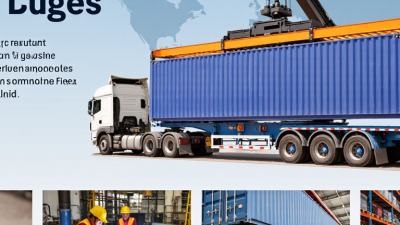
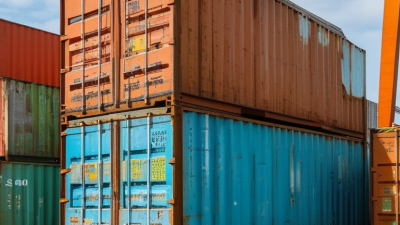
A sideloader container is usually a standard shipping container transported and positioned by a sideloader vehicle. The vehicle uses hydraulic lifting arms mounted along its sides to raise the container from the ground and place it onto the trailer. No overhead crane is usually needed. That can help at depots, construction sites, or smaller facilities without lifting equipment.

The name can be confusing. A sideloader is the vehicle, not necessarily a special container design. It is also different from a side-opening container, which has doors along one or both long walls. In many cases, ordinary containers can be handled by a sideloader if their corner fittings, size, and weight match the vehicle’s limits. Always confirm compatibility with the transport provider.

There are practical details to check. The vehicle needs firm, level ground and enough space beside the container to extend its lifting arms and stabilizing legs. A narrow driveway or soft shoulder can cause problems. Overhead clearance matters, too. The setup is useful, but not effortless. Buyers sometimes focus on container dimensions and overlook delivery access; that small oversight can delay placement. Provide the supplier with the delivery address, site photos, and intended container size before booking.

What Is a Sideloader Container?

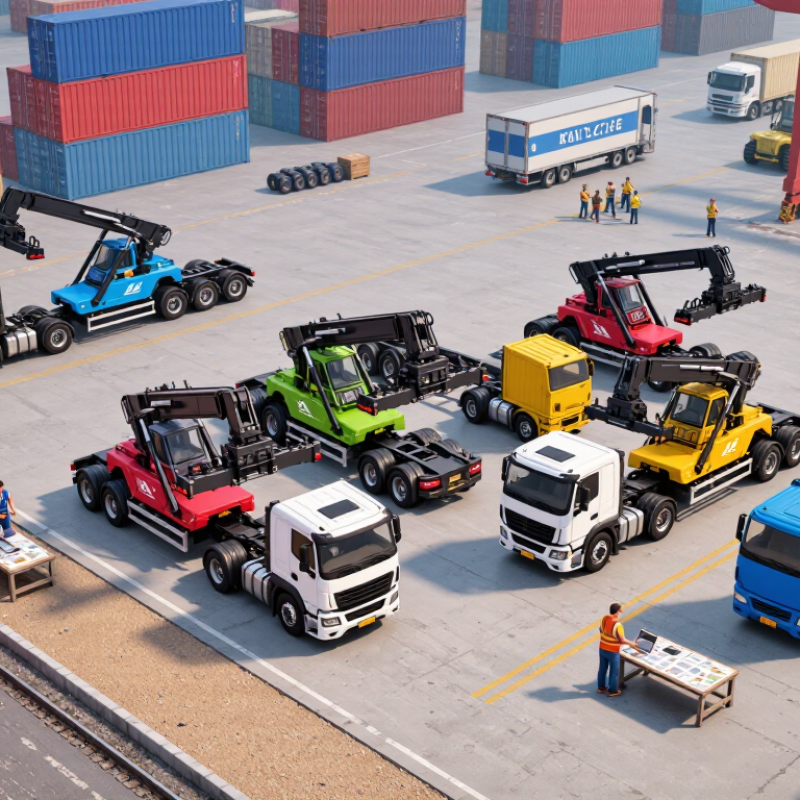
A sideloader is a vehicle or trailer fitted with cranes that lift containers on and off the vehicle. It can handle standard shipping containers; the chart compares the nominal external lengths of two common sizes.

Approximate nominal external lengths: 20-foot container — 6.06 m; 40-foot container — 12.19 m. Actual specifications can vary slightly by container design.

How Sideloader Containers Are Used in Global Logistics

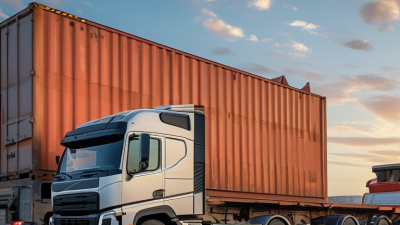
In global logistics, a sideloader trailer can lift a standard shipping container from the ground and place it directly on its chassis. Hydraulic lifting arms make this useful at factories, depots, and delivery sites without an overhead crane. A truck can collect a loaded container, carry it inland, and set it down near a loading door. Fewer handling steps can simplify a transfer. But the ground must be firm and level, and the load must stay within the equipment’s rated capacity.

The scale of container movement makes these handoffs important. UNCTAD’s Review of Maritime Transport 2024 reports that global container-port throughput reached about 858 million TEUs in 2023, up 2.4 percent from 2022. The World Bank’s Logistics Performance Index 2023 puts average end-to-end shipment time at 44 days. These figures do not measure sideloader use, but they show why reliable inland transfers matter. A sideloader can help where lifting equipment is scarce; it cannot fix congestion or poor scheduling. It is not magic. Even a short transfer may be delayed by uneven ground, tight access, or a container’s weight being recorded incorrectly. That assumption can fail. Companies should check site conditions, load details, and operator procedures before dispatch.

Key Factors for Evaluating Sideloader Container Suppliers

When comparing sideloader container suppliers, check more than price and delivery promises. Ask for drawings, rated lifting capacity, axle loads, and test records for the exact configuration offered. A unit that handles a standard box on level ground may behave differently on a sloped yard or uneven pavement. Small details matter: stabilizer footprint, hose routing, locking points, and access to service components can affect daily operation.

Standards and traceability are practical checks. Confirm container dimensions against ISO 668 and structural test documentation against applicable ISO 1496 requirements. Request serial-number-linked inspection records, material specifications, and clear warranty exclusions. UNCTAD’s Review of Maritime Transport 2024 reports that seaborne trade grew 2.4% in 2023, underscoring the scale of equipment moving through global supply chains. That figure does not prove a supplier’s quality; it does explain why delays and poor handling can carry real costs.

Evaluate after-sales support with the same care as engineering. Ask where replacement parts are stocked, how quickly technicians respond, and whether remote diagnostics are available. Get service coverage and lead times in writing. Then speak with operators who use comparable equipment, ideally in similar weather and yard conditions. Paperwork can look perfect. Real-world references may still reveal gaps. A supplier’s honest limits are worth noting, though buyers should verify every claim independently.

7 Best Sideloader Container Suppliers for Global Buyers

Key Factors for Evaluating Sideloader Container Suppliers

Buyer’s guide: Compare suppliers against these seven verifiable factors. This is an evaluation checklist, not a ranked list of companies.

Evaluation Factor What to Check Evidence to Request Why It Matters to Global Buyers
1. Rated lifting capacity Confirm the sideloader’s rated lifting capacity and the conditions under which that rating applies, including load position and operating configuration. Model-specific load charts, technical specifications, and written confirmation that the equipment suits the buyer’s container weights and handling plan. Capacity varies by model and operating conditions. A stated maximum should not be treated as the safe capacity for every lift.
2. Container and chassis compatibility Check supported container lengths, lifting points, chassis configuration, and any restrictions on container type or load distribution. Compatibility documentation, dimensional drawings, lifting diagrams, and confirmation for the buyer’s intended container sizes. Container dimensions and fittings follow international standards, but the sideloader’s supported configurations remain model-specific.
3. Safety and regulatory compliance Review the applicable machinery, vehicle, lifting-equipment, and road-transport requirements in the destination market. Declarations and certificates applicable to the exact model, safety instructions, inspection requirements, and road-registration documentation where relevant. Approval requirements differ by country and by whether the equipment is used on public roads, at a port, or on private premises.
4. Product quality and testing Ask how the frame, hydraulic system, lifting components, and controls are inspected and tested before delivery. Factory inspection records, test procedures, quality-management documentation, and the inspection checklist for the supplied unit. Documented quality controls help buyers assess manufacturing consistency and identify the checks completed before shipment.
5. After-sales service and spare parts Establish service coverage, technician availability, response arrangements, and the availability of critical replacement parts in the operating region. Written warranty terms, service contacts, parts lists, estimated parts lead times, and details of local service partners, if any. Equipment downtime can affect deliveries and terminal operations; support arrangements should be confirmed before purchase.
6. Export, delivery, and documentation Clarify the delivery scope, shipping method, export packing, delivery schedule, and responsibilities for customs and import documentation. A written quotation specifying Incoterms® 2020, delivery point, included documents, estimated lead time, and any items excluded from the price. Clear delivery terms help buyers compare quotations and understand which party handles transport, insurance, and customs-related responsibilities.
7. Total cost and commercial terms Compare purchase price alongside freight, duties, commissioning, training, maintenance, consumables, and expected parts costs. Itemized quotation, payment schedule, warranty exclusions, service pricing, and a written list of optional equipment and charges. A comparable total-cost view is more useful than the equipment price alone, especially when sourcing across borders.

Seven Sideloader Container Suppliers for Global Buyers

Global buyers evaluating sideloader container suppliers should compare equipment capability, service coverage, and delivery evidence—not just quoted prices.

UNCTAD’s Review of Maritime Transport 2024 reported that maritime trade grew 2.4% in 2023, while containerized trade increased only 0.3%. These figures show why forecasts and regional demand can shift quickly.

Ask suppliers to specify lifting capacity, chassis compatibility, operating limits, and available spare parts. Request drawings and maintenance records, too. Small details matter.

A dependable supplier should explain how equipment will be supported after arrival. Check technician coverage, parts lead times, warranty exclusions, and commissioning arrangements in the destination country.

The World Bank’s Logistics Performance Index 2023 assessed logistics in 139 economies, highlighting how service conditions vary between markets. Buyers should therefore verify local delivery and support plans rather than assume one export process fits every port.

No checklist catches everything. A factory inspection may still miss how a unit handles uneven ground or a tight yard turn. Ask for a practical demonstration where possible, and record any unresolved questions before ordering.

How to Compare Suppliers and Choose the Right Partner

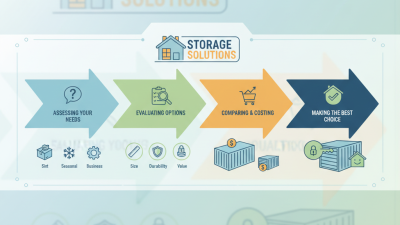
Choosing among sideloader container suppliers takes more than comparing quoted prices. Ask each supplier for rated lifting capacity, compatible container dimensions, chassis requirements, and operating limits. Request drawings and a load chart, then compare them with your container weights and yard layout. A low quote may omit installation, operator training, spare parts, or commissioning. Clarify these items in writing. Check whether service support is available in your operating region, and ask for realistic response times rather than a broad “global coverage” claim. Review references from buyers with similar terrain and handling volumes; one impressive project may not represent routine performance.

Tips: Send every candidate the same specification sheet. Include daily moves, ground conditions, container sizes, power needs, and delivery location. Request an itemized quote and sample maintenance schedule. Small omissions matter.

Before choosing a partner, examine inspection records, warranty exclusions, parts availability, and training materials. Confirm who handles transport, unloading, setup, and acceptance testing. If possible, inspect a working unit or arrange a live demonstration with a representative load. Notice how clearly the supplier answers technical questions; vague replies can become costly later. There is no perfect comparison table. Buyers may overvalue purchase price, while a delayed replacement part can outweigh an apparent saving. Leave room for a site-specific review before signing.

Call Now Button