China Top Lorry Container Manufacturers and Suppliers
China has become a major sourcing center for lorry container manufacturers and suppliers. Its factories produce steel cargo bodies, refrigerated units, flatbeds, dump containers, and custom transport equipment. Buyers can find both high-volume producers and smaller workshops with flexible designs.
Choosing a reliable lorry container supplier requires more than comparing prices. Experienced buyers inspect welding quality, door alignment, floor strength, hinge movement, and paint coverage. A well-built container should open smoothly after repeated use. Its frame should resist twisting on uneven roads. Ask for material specifications, production photographs, inspection records, and realistic delivery schedules. Factory audits and independent pre-shipment inspections can reveal problems that catalogs often hide.
Not every supplier offers the same standard. Some provide strong engineering support, while others mainly assemble common models. This difference matters. Container dimensions, axle loads, locking systems, and road requirements may vary by destination. Buyers should confirm compliance with applicable transport and safety regulations before ordering. Certificates can help, but they are not the whole story. A certificate without traceable testing deserves careful review.
Reliable communication also matters. Clear drawings reduce misunderstandings about thickness, insulation, flooring, lighting, and spare parts. After-sales support may include installation guidance, replacement hardware, and warranty handling. In practice, small details often decide long-term value. A cheaper lorry container can become expensive when repairs arrive early. No supplier is perfect, and even a respected manufacturer may miss a specification. Careful verification remains essential. This guide examines leading Chinese manufacturers and suppliers through product range, production capability, quality control, customization, service, and buyer feedback.
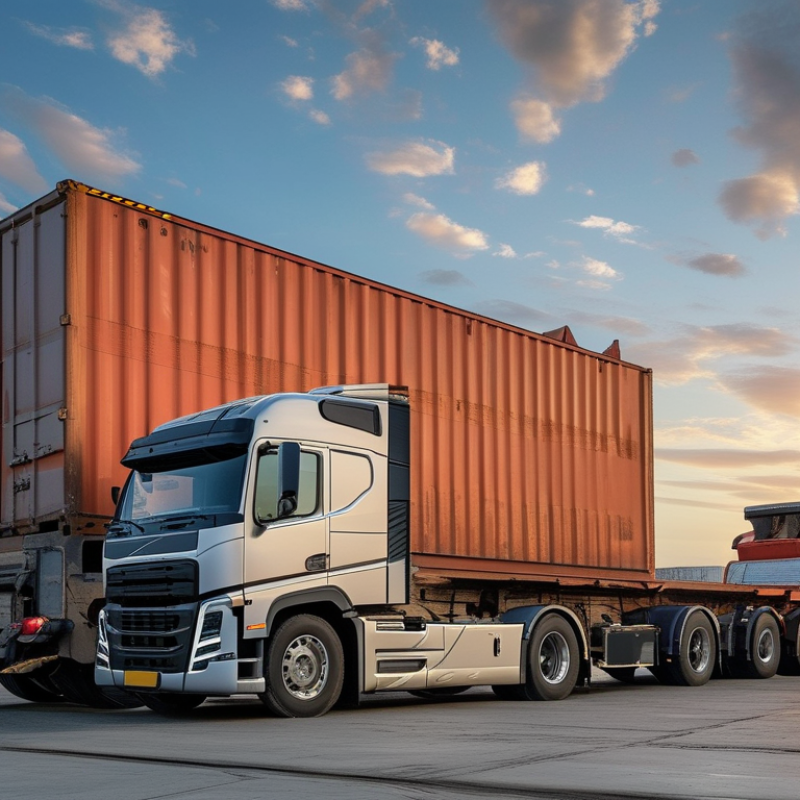
Lorry Container Manufacturing in China: Industry Scope and Product Types
China’s lorry container manufacturing sector serves domestic freight fleets and international logistics operators. Factories commonly build dry cargo boxes, refrigerated bodies, flatbeds, side-curtain units, and open-top containers. Each type addresses a different transport condition. Dry cargo bodies use galvanized steel or aluminum panels, reinforced frames, and lockable rear doors. Refrigerated units require insulated walls, sealed joints, drainage design, and stable temperature control. That gap matters.
Manufacturing clusters combine cutting, welding, coating, insulation, and final assembly within one supply network. Experienced suppliers inspect frame dimensions before welding, then test door alignment, floor loading, and water resistance. They may use laser measurement, coating thickness gauges, and documented load checks. Reliable production also depends on traceable materials and clear drawings. Yet quality is not always perfectly uniform. A rushed inspection can miss a weak hinge or uneven seal. That is where buyers should remain critical.
Product selection should match payload, route, climate, loading method, and local road regulations. A city delivery fleet may need light aluminum bodies and wide rear access. Long-distance food transport demands stronger insulation and dependable temperature monitoring. Construction users often prefer wear-resistant floors, reinforced sides, and hydraulic tipping structures. Before ordering, buyers should verify weld quality, axle compatibility, corrosion protection, spare-part support, and inspection records. Practical factory visits or independent audits can reveal details that brochures hide.
Key Standards for Evaluating Chinese Lorry Container Manufacturers
China Top Lorry Container Manufacturers and Suppliers
Key Standards for Evaluating Chinese Lorry Container Manufacturers
A capable manufacturer should provide clear drawings, material grades, and verified load data. Do not judge quality from photographs alone. Inspect weld lines, corner castings, door hinges, and floor joints. Uneven beads or sharp edges may reveal weak process control. A practical factory visit should include cutting, welding, painting, and final inspection areas. Ask to see recent production records, not prepared samples.
Reliable suppliers explain dimensional tolerances and payload limits in plain language. Their containers should match applicable transport standards and local road requirements. Check certificates through independent testing bodies when possible. Review corrosion protection, coating thickness, drainage design, and locking hardware. A salt-spray report can help, but it cannot replace physical inspection. Real service conditions are messier.
Traceability matters. Each unit should have identifiable material batches, inspection dates, and repair records. Ask how rejected components are handled. The answer can be revealing. After-sales support should cover spare parts, technical drawings, installation guidance, and response times. Payment terms and production schedules should appear in written contracts. A polished catalog is not proof. Even experienced buyers can overlook small details, such as door alignment after repeated loading. Request a sample inspection and a supervised load test before placing a large order. No evaluation method is perfect. That is worth remembering.
Leading Manufacturing Regions and Supplier Capabilities in China
China’s lorry container manufacturing network is concentrated in several practical regions. The Yangtze River Delta supports mature metalworking, stamping, and logistics services. Guangdong offers strong export experience and flexible customization. Shandong is known for heavy fabrication and durable transport equipment. These regions differ in delivery speed, labor costs, and supplier depth.
Capable suppliers can produce dry containers, refrigerated units, flatbeds, and specialized cargo bodies. Their workshops usually include laser cutting, robotic or manual welding, shot blasting, painting, and final inspection. Reliable manufacturers should provide material certificates, dimensional records, weld inspection results, and load-testing evidence. Factory visits can reveal more than polished catalogues. Look closely at welding consistency, drainage design, door alignment, and coating thickness. No region is perfect. Some factories promise broad capabilities but outsource critical work, which may weaken traceability.
Tips: Request a detailed process map before ordering. Confirm steel grades, insulation performance, axle compatibility, and spare-part support. Ask for production photographs with visible dates. Compare complete landed costs, not only the factory price. A low quote can hide thinner materials or limited quality checks. Allow time for a sample review; rushed approval often creates avoidable corrections. Suppliers may also misunderstand local road conditions, so share payload data, climate exposure, and operating routes clearly.
How to Select and Purchase from a Chinese Lorry Container Supplier
China Top Lorry Container Manufacturers and Suppliers
Selecting a Chinese lorry container supplier requires more than comparing online prices. Define your cargo type, dimensions, payload, loading method, and operating environment before contacting factories. Ask for technical drawings, material grades, welding standards, and verified production capacity. A reliable supplier should explain design limits clearly, not promise everything. Request photographs of current production, inspection records, and relevant quality certificates. If possible, arrange a factory video audit or an independent on-site inspection.
Compare quotations carefully. Check whether the price includes tooling, packaging, inland transport, export documents, and spare parts. Confirm delivery terms, payment stages, warranty coverage, and communication responsibilities in writing. Request a sample or prototype when the container has unusual dimensions. Small design errors can affect loading efficiency and road safety. One common mistake is choosing the lowest quote before checking steel thickness and weld consistency. Cheap can become expensive. No checklist is perfect, so review it with an engineer or logistics professional.
Tips: Measure your vehicle and cargo twice. Ask for tolerances, not only standard dimensions. Verify the supplier’s legal business details and export experience. Use independent inspection before final payment. Discuss local road regulations and import requirements early. Keep approved drawings attached to the purchase contract. Leave room for revision; practical testing may reveal problems that specifications miss. Suppliers who welcome questions are usually easier to manage after delivery.