Is Your Container Ready?

Get In Contact With Us Today

Is Your Container Ready?

Get In Contact With Us Today

How to Choose a Cargo Shipping Container in 2026?

Choosing a cargo shipping container in 2026 is not simply a matter of selecting the lowest price. The container must match the cargo, route, handling equipment, and delivery schedule. A dry container may suit boxed machinery, while temperature-sensitive goods require a verified refrigerated unit. Oversized equipment may need an open-top or flat-rack design. The wrong choice can create delays, damaged packaging, or unexpected handling costs.

Malcolm McLean, the containerization pioneer, is often credited with saying, “The container made the whole world smaller.” His observation still matters, but modern shipping is more demanding. Buyers should check the container’s external and internal dimensions, maximum payload, tare weight, door clearance, floor condition, and CSC safety plate. A quick inspection should include rust, roof leaks, damaged corner posts, warped doors, and strong chemical odors. Small details matter.

A clean-looking box can still hide problems.

The route deserves equal attention. Port cranes, rail terminals, inland roads, and warehouse doors may impose different limits. Used containers can offer value, yet their history is not always clear. New units usually provide more predictable condition and fewer repair concerns. Reefer buyers should also confirm temperature range, power requirements, maintenance records, and monitoring capability. I would not rely on a catalog alone. Specifications can be incomplete, and real cargo rarely behaves perfectly. A practical decision compares total operating cost, not just purchase or rental price. This guide explains how to evaluate each cargo shipping container carefully, question weak assumptions, and choose equipment that supports safe, compliant, and reliable transport.
How to Choose a Cargo Shipping Container in 2026?

Define the Cargo Requirements and Shipping Route

How to Choose a Cargo Shipping Container in 2026?

Define the cargo before choosing the container. Measure length, width, height, weight, and center of gravity. A 20-foot container may suit dense machinery, while a 40-foot high-cube container offers extra volume for lightweight cartons. Do not trust volume alone. Cargo weight can exceed the safe payload before the container looks full. UNCTAD’s Review of Maritime Transport 2024 states that shipping carries over 80% of global merchandise trade by volume, making route planning essential for capacity and reliability.

Study every section of the shipping route, not only the ocean leg. Check origin roads, terminal equipment, transshipment ports, rail connections, destination clearance, and final delivery access. The World Bank’s Logistics Performance Index evaluates infrastructure, shipment quality, tracking, and timeliness. These factors can expose hidden risks. For example, a refrigerated load needs stable power at ports and during inland transfer. Oversized cargo may require an open-top or flat-rack container, but limited crane access can create delays. I once assumed the shortest route was cheapest. That was incomplete thinking. Port congestion and extra handling changed the result.

Tips: Request route-specific payload limits, cut-off times, and equipment availability in writing. Compare total landed cost, not just freight price. Add protection for temperature, moisture, and shock. Recheck dimensions after packaging. Small errors become expensive. Keep a backup route.

Compare Container Types, Sizes, and Interior Features

How to Choose a Cargo Shipping Container in 2026?

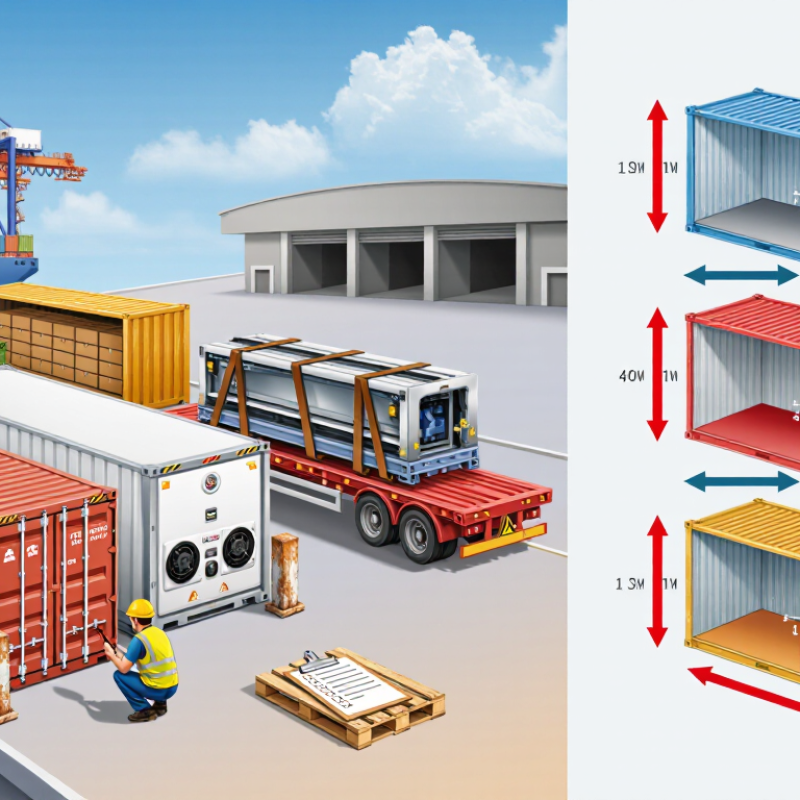
Container choice should follow the cargo, route, and handling conditions. A standard dry container suits boxed goods, pallets, and machinery. A high-cube version adds about 30 centimeters of internal height. That space matters when cartons cannot be stacked safely. For chilled food or temperature-sensitive materials, a refrigerated container offers controlled conditions, but it needs reliable power and regular monitoring. Open-top and flat-rack units help with tall, wide, or heavy cargo. They also require careful weather protection.

Size affects cost more than many first-time shippers expect. A 20-foot container usually handles dense cargo well, while a 40-foot container provides more volume for lighter goods. The 40-foot high-cube option increases usable capacity further. According to UNCTAD’s Review of Maritime Transport 2024, the global container ship fleet grew about 8.8% year-on-year by mid-2024. More available capacity does not remove packing problems. Poorly balanced loads still create damage risks, delays, and wasted space.

Inspect the interior before loading. Check floor dryness, door seals, odor, rust, and wall dents. Confirm the maximum payload and internal dimensions, not only the advertised size. I measure the largest package twice. Mistakes happen. Cargo securing points, ventilation openings, and insulation can change the practical capacity. A container may look suitable on paper, yet fail when a forklift cannot turn inside it. Record photographs and inspection details before sealing the doors.

Evaluate Container Condition, Safety, and Certification

How to Choose a Cargo Shipping Container in 2026?

A container’s condition affects cargo safety, handling costs, and delivery reliability. Begin with a physical inspection, not photographs alone. Look for rust around corner posts, roof seams, door hinges, and floor supports. Small surface rust may be manageable. Deep corrosion is different. It can weaken structural areas. Open and close both doors several times. They should move smoothly and lock without excessive force. Check the rubber seals for gaps, brittleness, or missing sections. Daylight inside the closed container reveals unwanted openings.

The floor deserves close attention. Walk across it and listen for soft or springy sections. Examine stains, embedded nails, chemical odors, and previous repairs. These details may indicate moisture exposure or poor maintenance. I once focused on the walls and missed a damaged floor edge. That mistake changed my inspection routine. Safety checks should include corner fittings, locking bars, welds, lashing points, and visible deformation. The container must suit the cargo’s weight, dimensions, and loading method.

Review the identification plate and inspection records before payment. A valid CSC safety approval supports international transport, but it does not replace a current condition survey. Confirm the approval applies to the container being offered. Match its identification number across the plate, documents, and inspection report. Ask for repair history when available. Records can be incomplete. That is worth questioning. For high-value shipments, arrange an independent inspection and record photographs with dates. Certification proves compliance at a point in time; careful inspection shows whether the container remains dependable today.

Calculate Costs, Availability, and Transport Compatibility

How to Choose a Cargo Shipping Container in 2026?

Calculate Costs, Availability, and Transport Compatibility

Choosing a cargo container in 2026 requires more than comparing rental prices. I check cargo dimensions, loading weight, route distance, handling fees, and expected storage time. A container that looks affordable may become expensive after inland transport and terminal charges.

Measure twice. Leave working space around the cargo, especially for pallets, straps, and protective packaging. Standard dry containers suit most boxed goods, while temperature-sensitive cargo may require controlled conditions. Confirm the container’s internal length, door width, floor rating, and ventilation before booking. Small measurement errors can create large delays.

Availability also affects the final cost. Busy ports may have fewer suitable units and longer collection windows. I request written confirmation of container condition, pickup location, release date, and inspection requirements. Prices move. Ask whether the quote includes cleaning, documentation, chassis use, fuel adjustments, and demurrage. These details are easy to overlook.

Transport compatibility matters at every stage. Check whether the container can move by truck, rail, or vessel along the planned route. Some delivery sites have narrow entrances, weak roads, height limits, or no space for unloading equipment. A site visit or accurate loading diagram can prevent a failed delivery. I still allow extra time for weather, port congestion, and incorrect inventory data. Perfect planning is useful, but it is not always realistic.

Select the Best Container and Confirm the Purchase Terms

Choosing a cargo shipping container in 2026 starts with the cargo, not the price. Measure the largest package, including handling space. Dry goods usually need a wind- and watertight unit. Machinery may require wider doors, stronger flooring, or ventilation. Refrigerated cargo needs stable temperature control and a documented maintenance history. Ask for recent interior and exterior photographs. Better still, arrange an independent inspection before payment.

Purchase terms deserve the same attention as the container itself. Confirm the exact size, grade, manufacturing year, identification number, and condition in writing. State whether the price includes delivery, lifting, taxes, inspection, and export documentation. Define the payment schedule clearly. Link the final payment to inspection approval, not only to a photograph. Include delivery dates, permitted delays, refund conditions, and responsibility for damage during transport. Ambiguous wording becomes expensive at the port.

Check the container’s safety certification and service records where applicable. The seller should provide consistent details across the quotation, invoice, and shipping documents. Keep every agreed specification attached to the contract. A verbal promise is weak evidence.

Very weak.

In practice, buyers sometimes focus on a clean exterior and overlook floor repairs or door seal damage. I made that mistake in an early procurement review. The unit looked ready, but water marks showed a previous leak. A second inspection would have prevented the dispute. Leave time for questions, because rushed terms often hide costs.

Call Now Button