Is Your Container Ready?

Get In Contact With Us Today

Is Your Container Ready?

Get In Contact With Us Today

Top Lorry Container Types for Global Shipping?

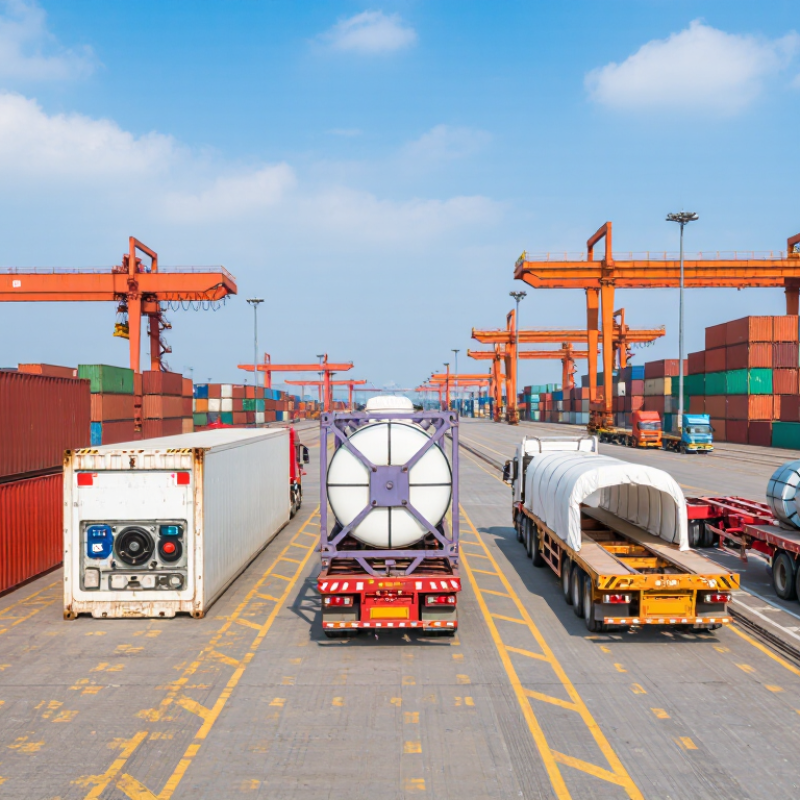
Global shipping depends on a simple-looking decision: choosing the right lorry container for the cargo, route, and handling environment. A standard 20-foot or 40-foot dry container suits boxed goods, machinery, and retail products. However, temperature-sensitive food requires a refrigerated container, while oversized steel structures may need a flat rack or open-top unit. The container is not merely a steel box. It is a controlled link between a factory gate, a lorry chassis, a port crane, and a customer’s warehouse.

The scale of this choice is significant. UNCTAD’s Review of Maritime Transport 2024 reports that maritime transport carries over 80% of global merchandise trade by volume. Its data also shows a vast container fleet serving complex, interconnected routes. Small equipment decisions can therefore affect cargo protection, loading time, fuel use, and delivery reliability. The World Bank and S&P Global’s Container Port Performance Index 2023 further highlights how handling efficiency differs sharply between ports. A suitable container can reduce avoidable delays during these transfers.

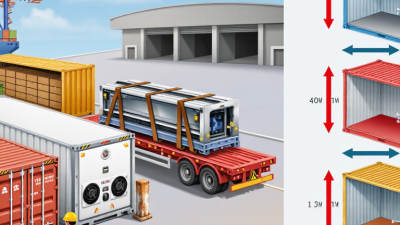
The main categories include dry van, high-cube, reefer, tank, open-top, and flat rack containers. Each has practical limits. A high-cube unit offers extra internal height, but it may require route clearance checks. A reefer protects temperature-sensitive cargo, yet it needs power and careful monitoring. Tank containers demand verified specifications and trained handling. Details matter.

No single type fits every shipment. Real operations are messier. This guide compares leading lorry container options through cargo characteristics, dimensions, handling needs, and international shipping practice, while recognizing that regional equipment availability can change the final decision.
Top Lorry Container Types for Global Shipping?

What Are Lorry Containers and How Are They Classified?

Top Lorry Container Types for Global Shipping?

Lorry containers are strong, reusable units carried by road, rail, and ships. Their classification usually depends on structure, cargo purpose, dimensions, and handling method.

Standard dry containers suit cartons, machinery, and packaged goods. Common lengths include 20 feet and 40 feet. Steel corner fittings allow cranes and trailers to secure them safely during transfers.

Temperature-sensitive cargo requires refrigerated containers with insulated walls and cooling equipment. Tank containers carry approved liquids or gases inside reinforced vessels.

Flat racks have collapsible ends for heavy machinery, timber, or oversized cargo. Open-top containers use removable covers, making cranes useful for tall or awkward loads. The container shape matters.

Another category is the swap body, designed mainly for road and rail movement. It may offer lighter construction and greater internal volume, but it is not always suitable for ocean transport.

Lorry container selection should match cargo weight, loading height, ventilation, and route equipment. A wet floor, damaged seal, or weak locking point can create delays before departure.

Small details matter.

Classification is not perfectly uniform across every country or terminal. Local road limits, axle rules, and lifting systems can change practical choices. A container that fits one trailer may need different equipment elsewhere.

That distinction is easy to miss.

Reliable planning therefore checks external dimensions, internal capacity, maximum payload, inspection records, and compatibility with the full transport route.

Standard Dry Containers for General Global Cargo

Standard dry containers remain the workhorse for general global cargo. They protect boxed goods, machinery, furniture, textiles, and packaged materials from rain, dust, and handling damage. The 20-foot container suits dense cargo with limited volume. A 40-foot container offers more space for lighter shipments. Always verify internal dimensions and maximum payload before loading.

In practical loading work, condition matters as much as capacity. Inspectors should check the doors, roof, floor, seals, and corner posts. A clean, dry interior reduces contamination and moisture concerns. Wooden pallets should sit evenly, while straps, blocking, and airbags can limit movement during road transport. Use desiccant when the cargo and climate justify it. The floor still needs protection from concentrated weight.

A dry container is not perfect. It does not control temperature or humidity. That assumption can cause avoidable damage during long voyages. I have seen careful loading plans fail because small gaps allowed cartons to shift. Road limits, port rules, and local equipment also affect the final choice. Measure the cargo, not just the paperwork. Small details matter. Accurate weight records support safer lorry transport and reduce delays during handling. Conversation with a qualified freight professional can reveal problems before the container reaches the terminal.

Refrigerated Containers for Temperature-Sensitive Shipments

Refrigerated containers, often called reefers, protect cargo that cannot tolerate ordinary freight conditions. They support food, medicines, flowers, and other temperature-sensitive goods during ocean and inland transport. A working unit does more than produce cold air. It controls temperature, records conditions, and circulates air around the load. Small details matter. Before loading, operators inspect the door gasket, drain openings, power connection, and temperature sensor. A damaged seal can quietly weaken the entire cold chain.

Cargo preparation begins with a verified product temperature, not a guess from the container display. The shipping team sets the required range, pre-cools the container when appropriate, and leaves air channels between cartons. Overloading blocks circulation. Warm cargo can also exceed the unit’s recovery capacity. In practice, I would check the data logger, set-point history, and alarm records at each handoff. These records provide evidence when delays, weather, or a power interruption affects the shipment.

Route planning deserves equal attention. A refrigerated container may need power at terminals, on rail equipment, and during temporary storage. Backup arrangements should be confirmed before departure. One overlooked connection can spoil hours of careful work. Operators should also consider humidity, ventilation, and the product’s sensitivity to freezing. The display may look normal while the cargo core remains unsafe. That is an uncomfortable gap, and it deserves honest review after every shipment.

Open-Top and Flat-Rack Containers for Oversized Freight

For global shipping, container choice can determine whether oversized freight arrives safely or suffers costly damage. In my field inspections, open-top and flat-rack containers solve different loading problems. An open-top container has a removable roof, allowing cranes to lower tall cargo from above. It suits machinery, timber, and bulky units that cannot pass through standard doors. Cargo height still matters. The loaded unit must fit route restrictions and handling equipment.

Flat-rack containers have collapsible end walls and strong corner posts. They support wide, heavy, or irregular freight, such as industrial frames and construction equipment. A flat rack leaves the sides exposed. Therefore, securing becomes critical. Chains, straps, edge protectors, and blocking materials must match the cargo weight and shape. Load planners should check lashing points before booking space. A missing attachment point can create delays.

Small details matter. Protect sharp edges. Keep weight centered. Photograph every restraint before departure. I have seen experienced teams overlook rainwater protection on open-top cargo. That mistake was avoidable. Weather covers need proper tension, while drainage paths must remain clear. The container must also be compatible with cranes, terminal handling, and onward lorry transport. Measurements should include height, width, length, and center of gravity. Choosing by price alone is risky. The best option depends on cargo geometry, loading method, route conditions, and verified securing plans. The choice is not always obvious.

Tank and Specialized Containers for Liquid or Unusual Cargo

For liquids, tank containers provide a stable, sealed option for long-distance shipping. Their stainless-steel vessels sit inside a protective frame, allowing transfer between lorry, rail, and vessel. Capacity often ranges from 20,000 to 26,000 liters, but the cargo decides the specification. Viscosity, temperature, pressure, and cleaning requirements all matter. Check the tank certificate, valve condition, and permitted filling level before loading. Small details matter.

Unusual cargo needs a different shape. Flat racks suit heavy machinery, steel structures, and oversized components when height or width exceeds a standard box. Open-top containers help with tall cargo loaded by crane, while refrigerated units protect temperature-sensitive liquids or materials. On the lorry, axle limits, center of gravity, and securing points must be checked together. A load can fit the container and still travel unsafely. That mistake is surprisingly common.

Reliable planning begins with the cargo data sheet, not the container catalogue. Confirm density, dimensions, flash point where relevant, loading temperature, and discharge equipment. Use compatible hoses and inspect seals before departure. Weather exposure also deserves attention, especially for open equipment. I would not treat a “universal” tank as universal; previous residues can affect quality and cleaning decisions. Documentation should match the actual cargo, route, and handling method. When information is incomplete, pause and verify it with a qualified surveyor or safety specialist. Guessing saves minutes, then costs much more.

Call Now Button